
-
Valve Categories
-






-
Valve Categories
-
High Performance Butterfly Valve SB72
DN
50~1200 (2"~48")
PN
0.6~4.0 (Class150, 300)
Temperature Range
-59℃~550℃
Connection
Wafer, Flanged
Installation Direction
Unidirectional, Bidirectional
Design
API609
Face to Face
GB/T 12235
Flange Drilling
GB/T9113, ASME B16.5, EN1092, GOST12820, GOST33259, DIN2501
Top Connection
ISO5211
Inspection
GB/T13927, ISO5028, API598, JB/T9092
Body Materials
WCB, CF8, CF8M, CF3, CF3M, 321, 316Ti, 904L, 2507, 2205
Disc Materials
WCB, CF8, CF8M, CF3, CF3M, 321, 316Ti, 904L, 2507, 2205
Stem Materials
17-4PH, 304, 316, F44
Sealing Materials
PTFE, RPTFE, metal to metal
Features & Benefits
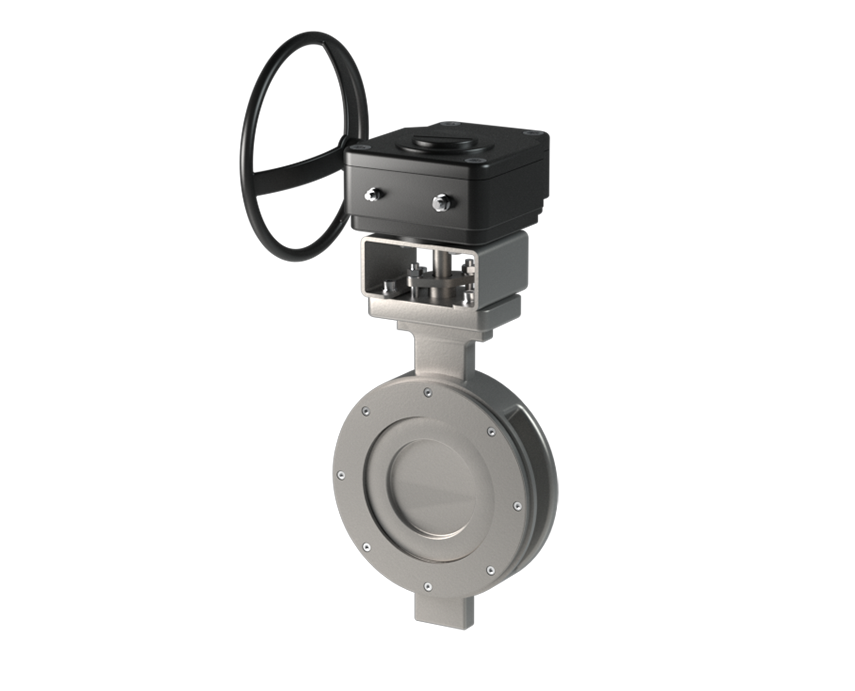
SB72 is a kind of high-performance butterfly valve is designed to handle demanding applications where tight shutoff, high pressure, and durability are essential. These valves are commonly used in industries such as chemical processing, oil & gas, HVAC, water treatment, and power generation. High-performance butterfly valves often feature advanced design elements that improve efficiency, reliability, and performance under challenging operating conditions.
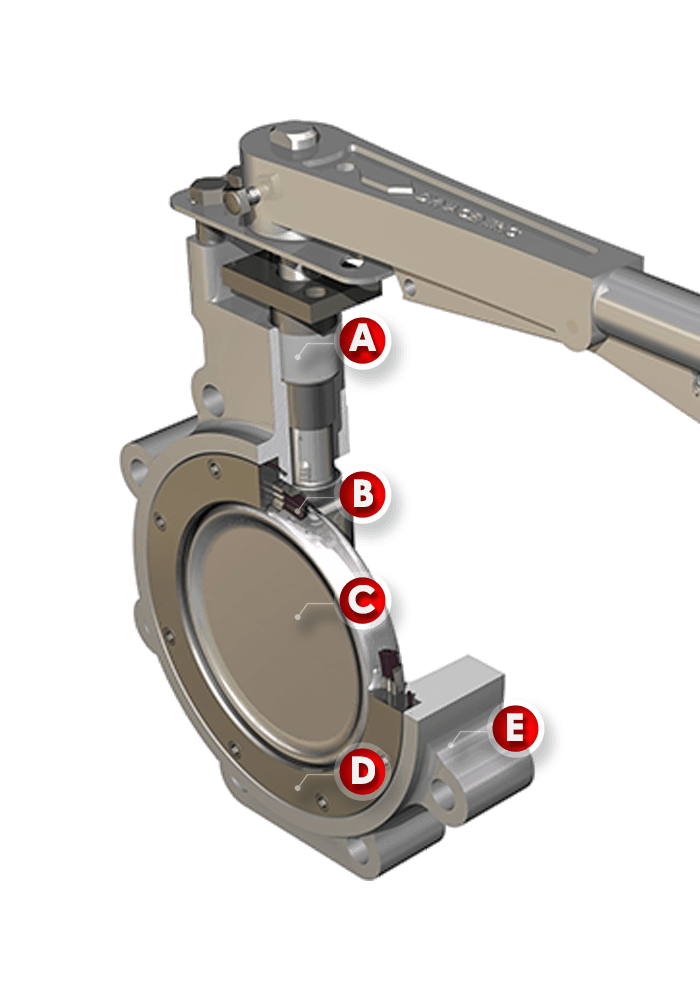
The packing is typically made from graphite, PTFE (Polytetrafluoroethylene), or Viton. These materials are selected for their resilience, chemical resistance, and high-temperature tolerance.
The seat is designed to provide a reliable sealing between the disc and the valve body. The seat can be integral (integrated into the valve body) or replaceable. The bi-directional seat could be customized, which provides sealing in both directions, making it versatile for various applications.
The disc has a sealing surface that works in conjunction with the seat to provide a tight shutoff and minimal leakage, especially important in applications requiring zero-leakage performance.
The retainer helps to maintain the integrity of the seal by ensuring the seat remains in constant contact with the valve body. This ensures consistent sealing, especially under vibratory conditions or in systems with pulsating flows.
The body is rigid and designed to handle high-pressure and high-flow applications. High-performance butterfly valves have reinforced body designs to ensure they can withstand challenging conditions without failure. The body may feature a wafer-style design for lighter applications or a double-flanged style for higher-pressure systems.
The packing is typically made from graphite, PTFE (Polytetrafluoroethylene), or Viton. These materials are selected for their resilience, chemical resistance, and high-temperature tolerance.
The seat is designed to provide a reliable sealing between the disc and the valve body. The seat can be integral (integrated into the valve body) or replaceable. The bi-directional seat could be customized, which provides sealing in both directions, making it versatile for various applications.
The disc has a sealing surface that works in conjunction with the seat to provide a tight shutoff and minimal leakage, especially important in applications requiring zero-leakage performance.
The retainer helps to maintain the integrity of the seal by ensuring the seat remains in constant contact with the valve body. This ensures consistent sealing, especially under vibratory conditions or in systems with pulsating flows.
The body is rigid and designed to handle high-pressure and high-flow applications. High-performance butterfly valves have reinforced body designs to ensure they can withstand challenging conditions without failure. The body may feature a wafer-style design for lighter applications or a double-flanged style for higher-pressure systems.
Industry Options
| Materials | Characteristics | Low Temp. ℃ | High Temp. ℃ | Recommended ℃ |
| FPM (Viton) | Chemical and most oils resistance, (except ketones & esters) | -20 | 200 | -5~150 |
| MVQ (Silicon) | High and low temperature resistance, oil, corrosion resistance | -55 | 200 | -30~180 |
| PTFE | Heat, cold, acid, alkali, organic solvents resistant | -60 | 180 | -45~150 |
| RPTFE | Corrosion resistance, low friction coefficient | -60 | 180 | -45~150 |
| PPL | High temperature and chemical corrosion resistance | -60 | 230 | -45~200 |
| PEEK | High temperature and chemical resistance | -60 | 300 | -45~260 |
| Metal to metal | High temperature, high pressure, wear, corrosion resistance | Refer to the metal material | ||
Dimensions
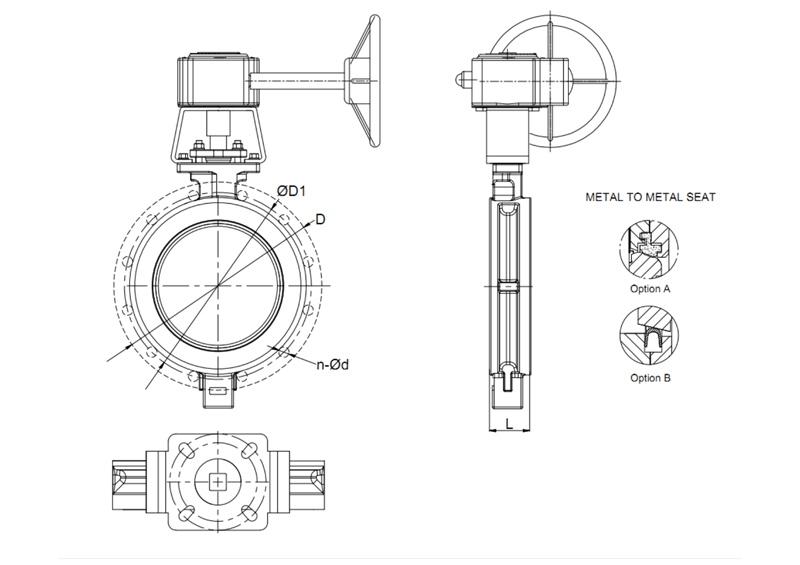
| DN | L | D | D1 | n-Φd |
| 50 | 43 | 165 | 125 | 4-18 |
| 65 | 49 | 185 | 145 | 8-18 |
| 80 | 49 | 200 | 160 | 8-18 |
| 100 | 54 | 220 | 180 | 8-18 |
| 125 | 57 | 250 | 210 | 8-18 |
| 150 | 57 | 285 | 240 | 8-22 |
| 200 | 64 | 340 | 295 | 12-22 |
| 250 | 71 | 405 | 355 | 12-26 |
| 300 | 81 | 460 | 410 | 12-26 |
| 350 | 92 | 520 | 470 | 16-26 |
| 400 | 102 | 580 | 525 | 16-30 |
| 450 | 114 | 640 | 585 | 20-30 |
| 500 | 127 | 715 | 650 | 20-33 |
| 600 | 154 | 840 | 770 | 20-36 |
| 700 | 165 | 910 | 840 | 24-36 |
| 800 | 190 | 1025 | 950 | 24-39 |
| 900 | 184 | 1125 | 1050 | 28-39 |
| 1000 | 222 | 1255 | 1170 | 28-42 |
| 1200 | 254 | 1485 | 1390 | 32-48 |
RELATED CASE
-
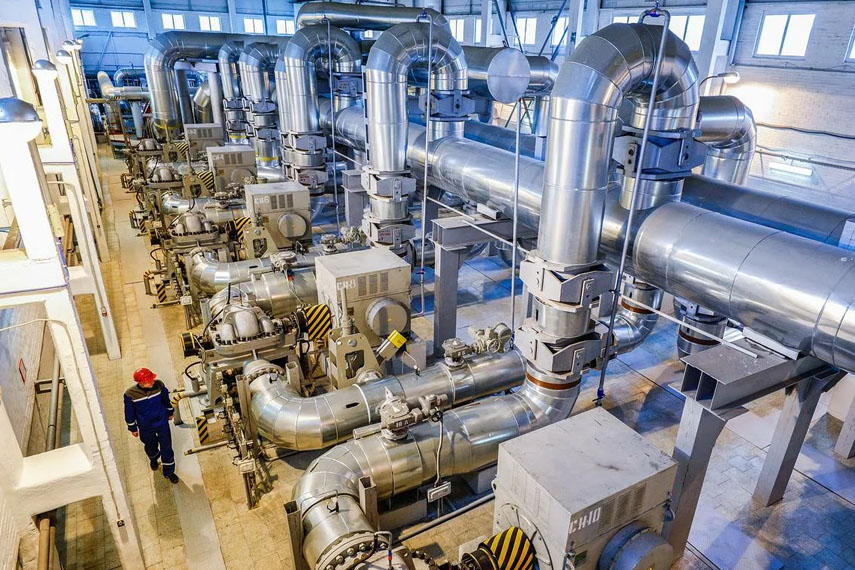
High performance metal seated butterfly valves SB72 were used for Hot Water Pipelines in Yekaterinburg, Russia
-
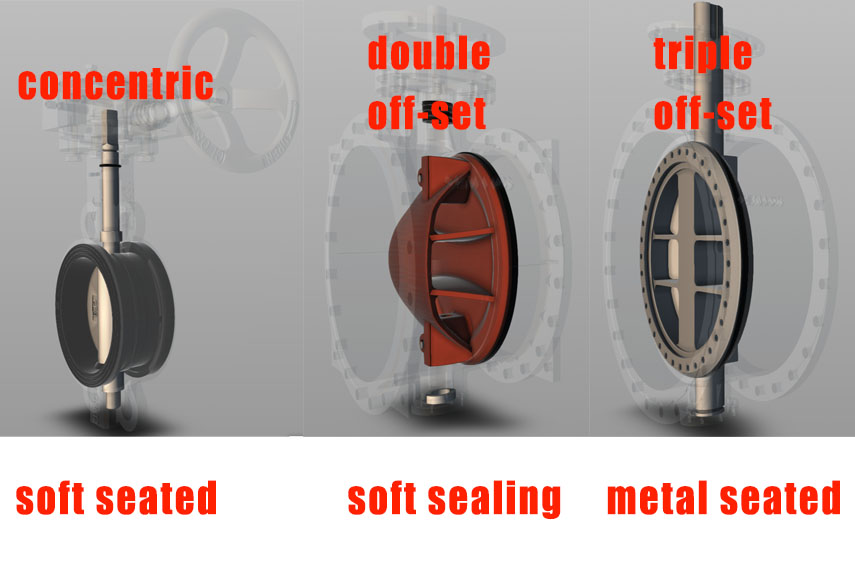
Research: Soft Seated vs Metal Seated Butterfly Valve
-
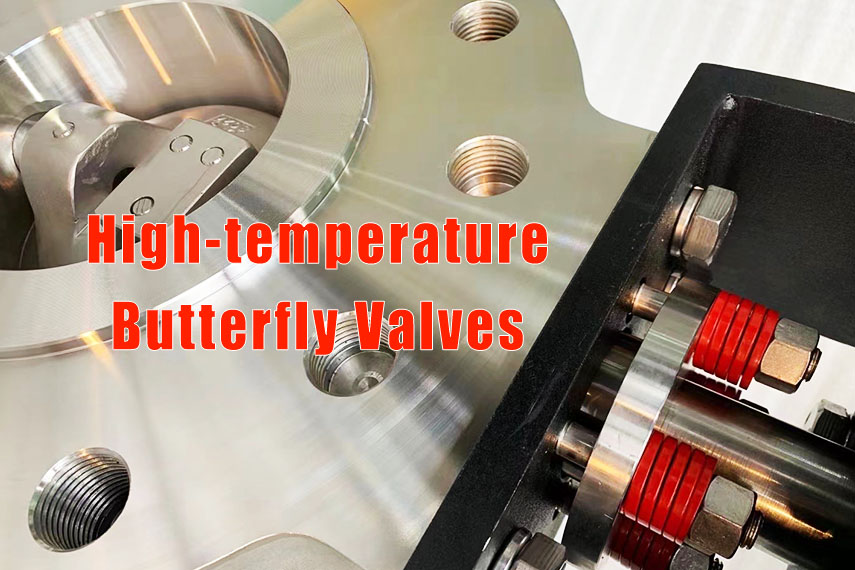
Research: High-Temperature Butterfly Valves: Selection and Manufacturing Guide
-
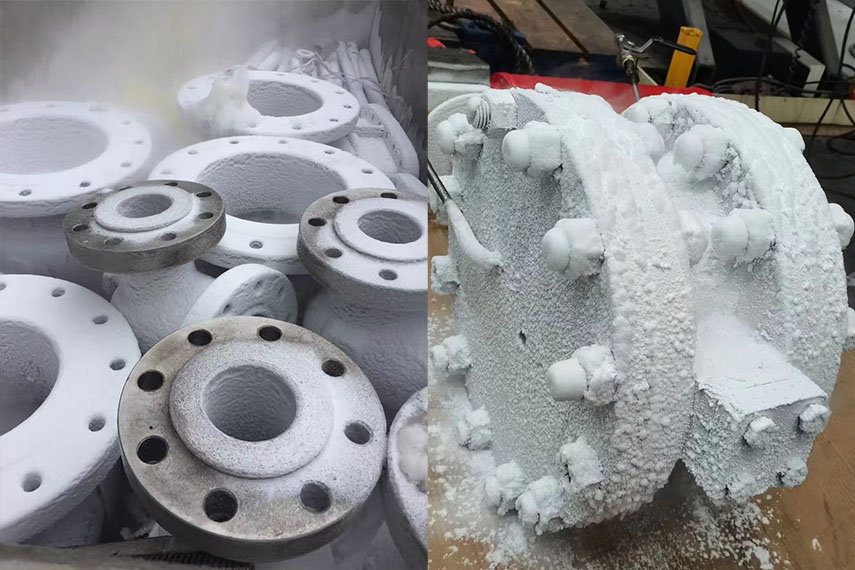
Research: High-Temperature vs Low-Temperature Valve Materials
-
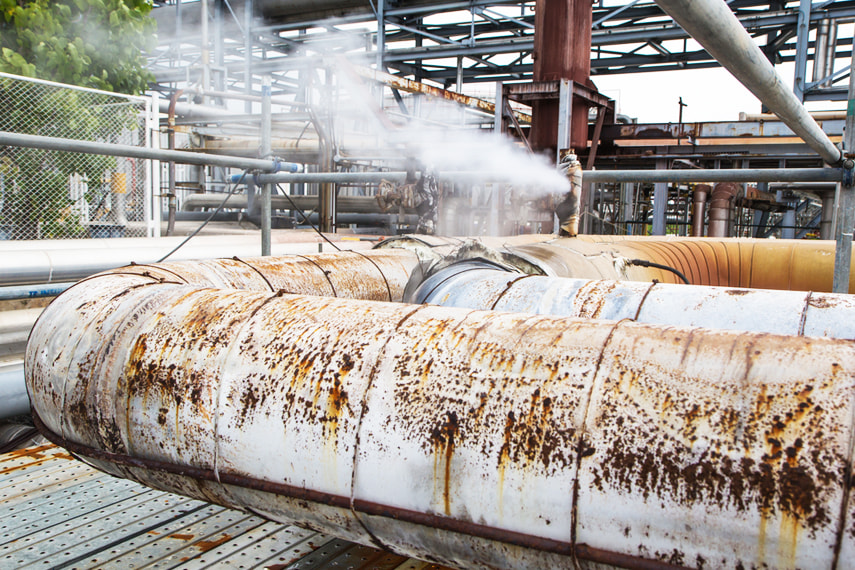
Research: Can Butterfly Valves Handle High Temperature or Corrosive Media?
-
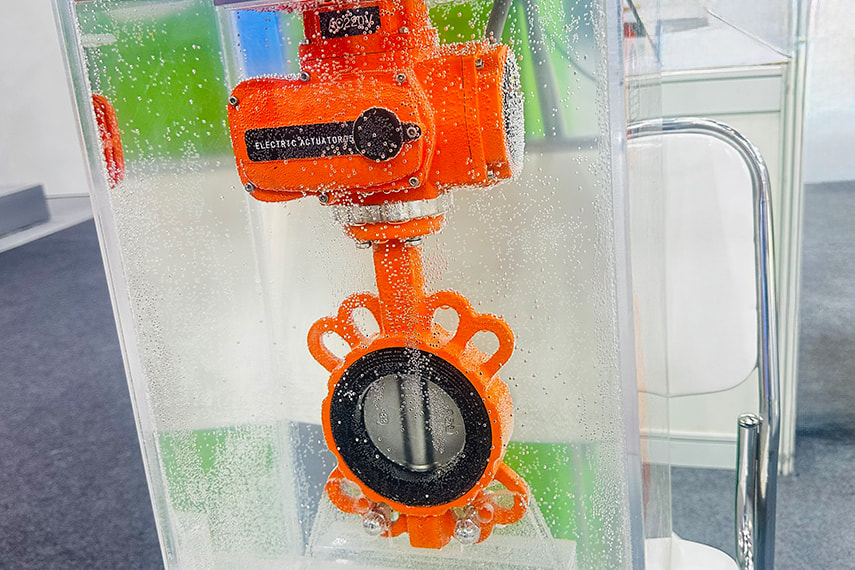
Research: What Actuation Methods Are Used for Butterfly Valves?
-
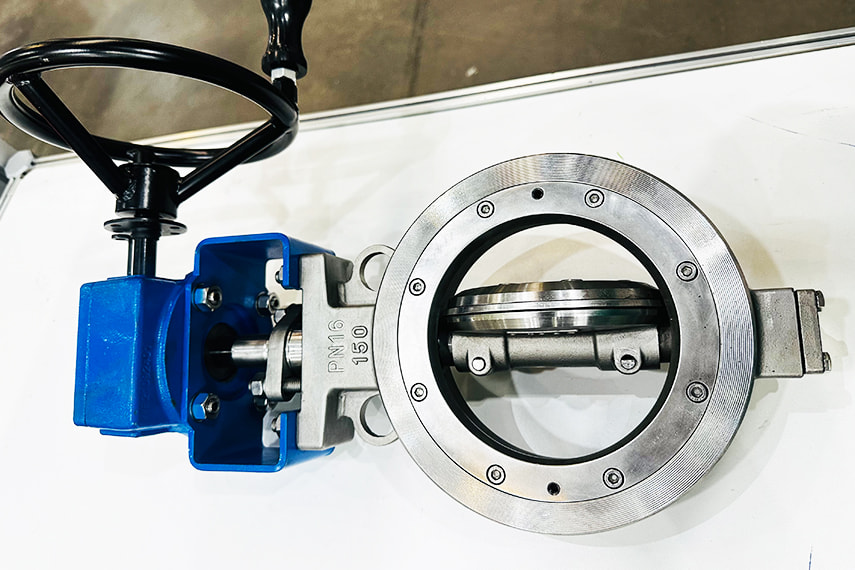
Research: How to Maintain Butterfly Valves?
-
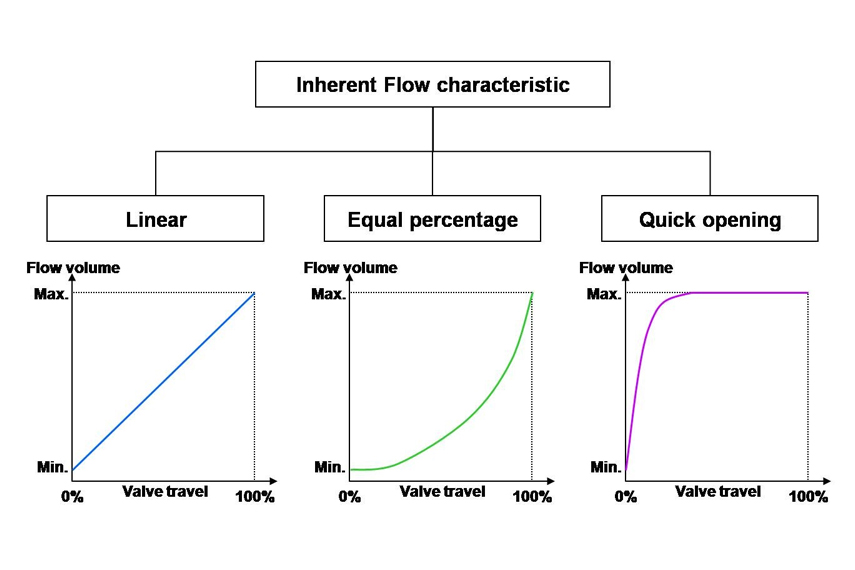
Research: What Flow Characteristics Do Butterfly Valves Have?
-
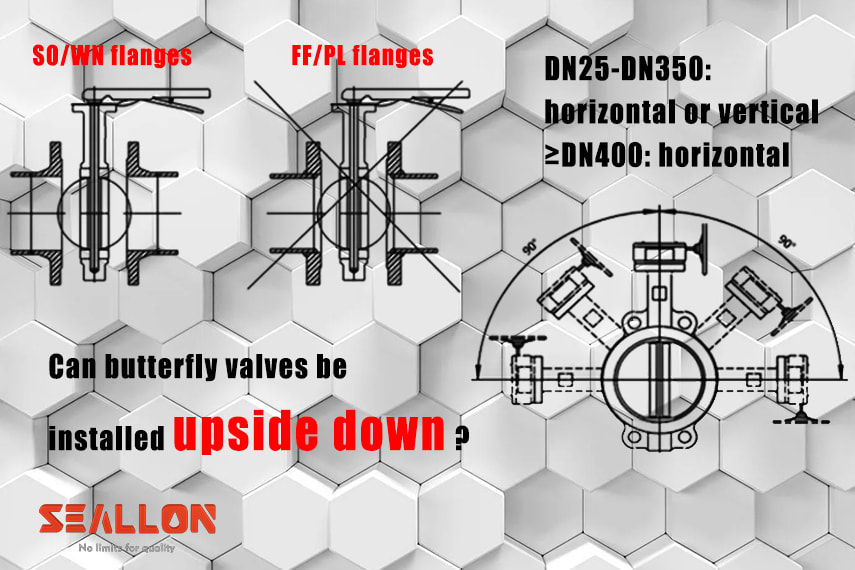
Research: Can Butterfly Valves Be Installed Upside Down?
-
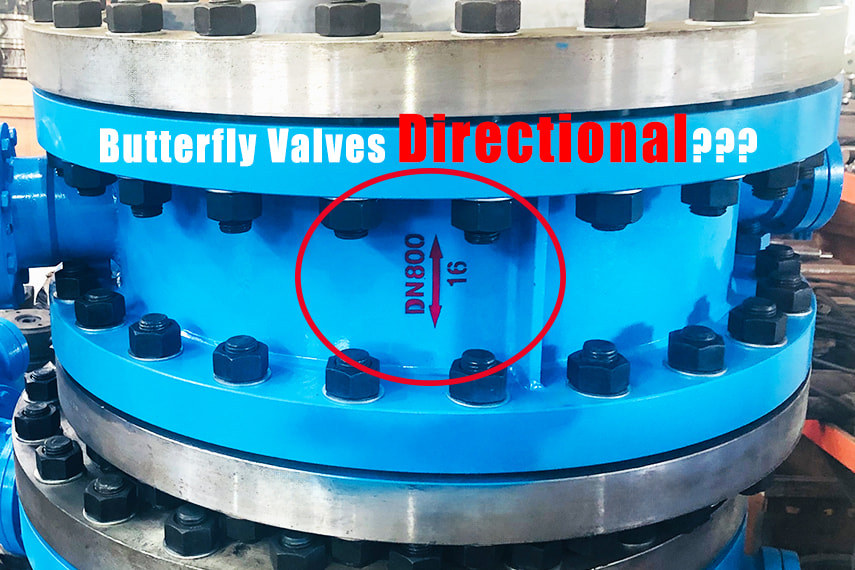
Research: Are Butterfly Valves Directional?
-
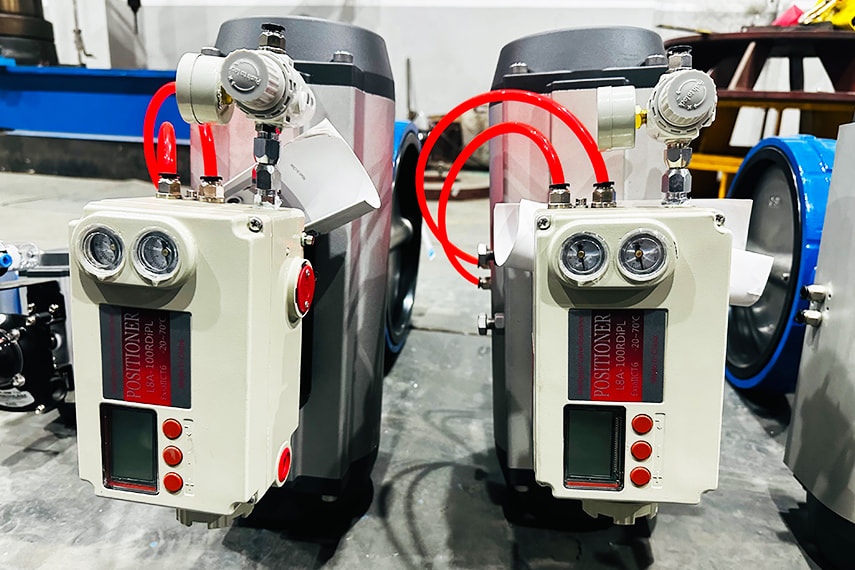
Research: Can Butterfly Valves Be Used for Throttling or Flow Control?
-
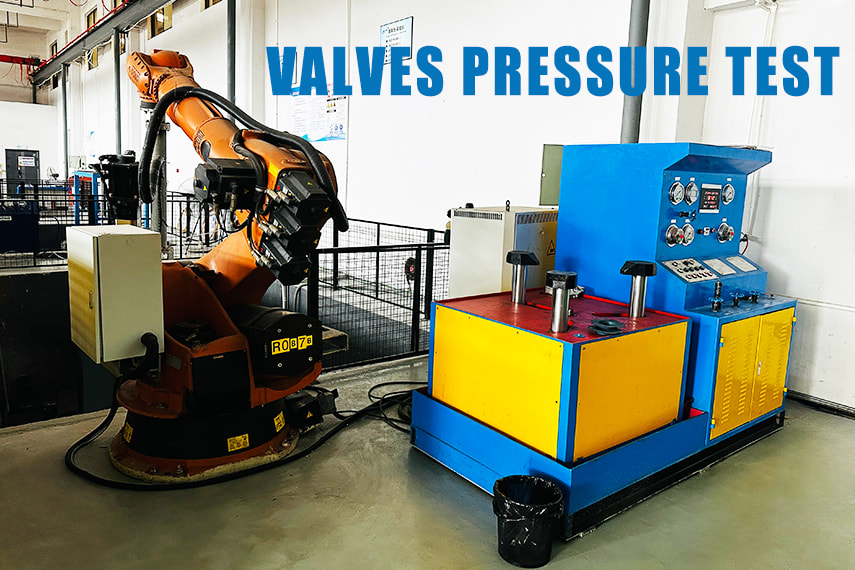
Research: How Are Valves Pressure Tested?
-
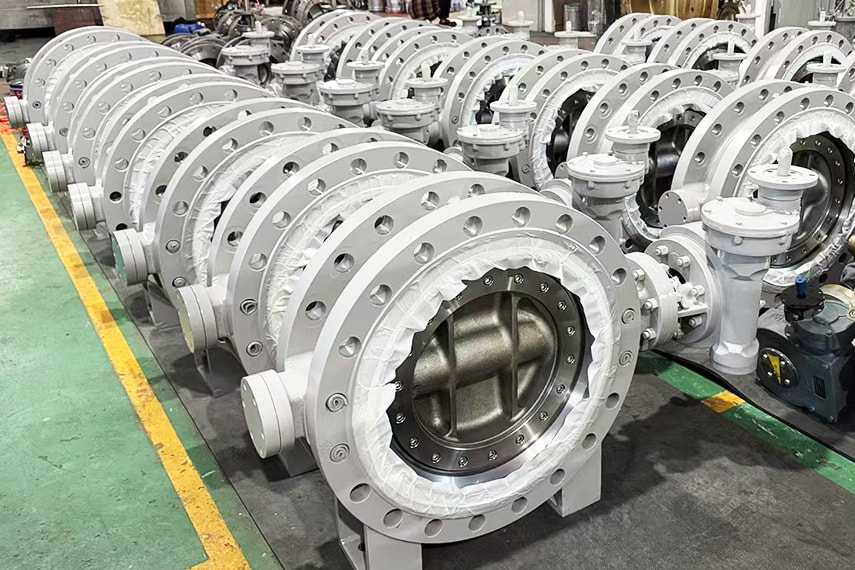
Research: When to Use Butterfly Valves?
-
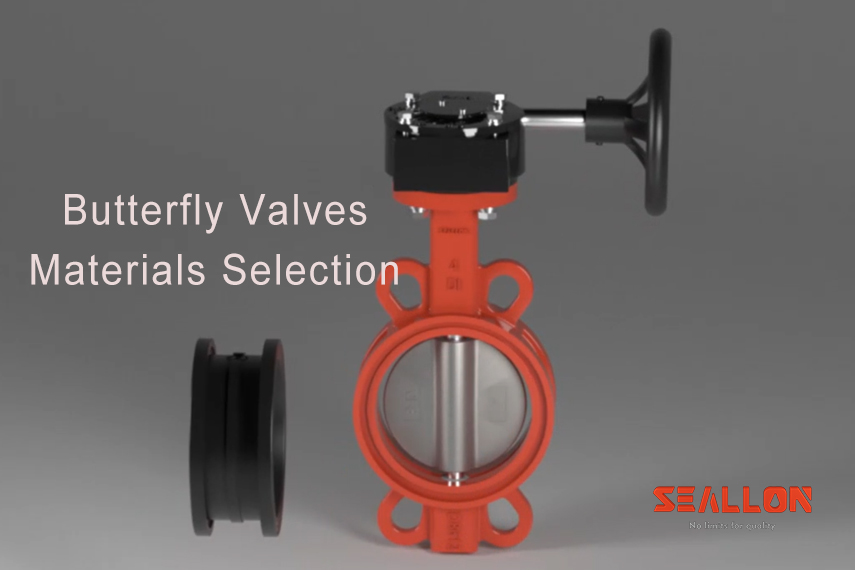
Research: How to Choose the Materials for Butterfly Valves
-
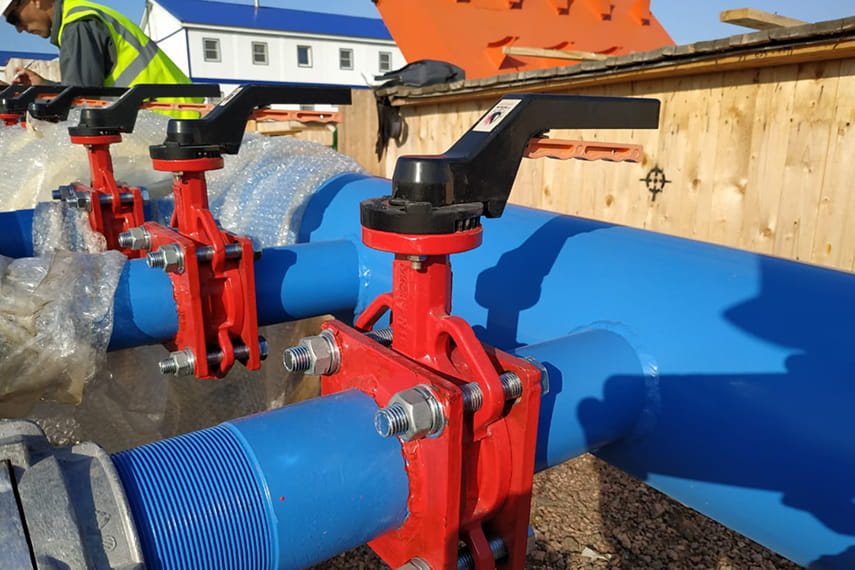
Research: Valve Maintenance Process
-
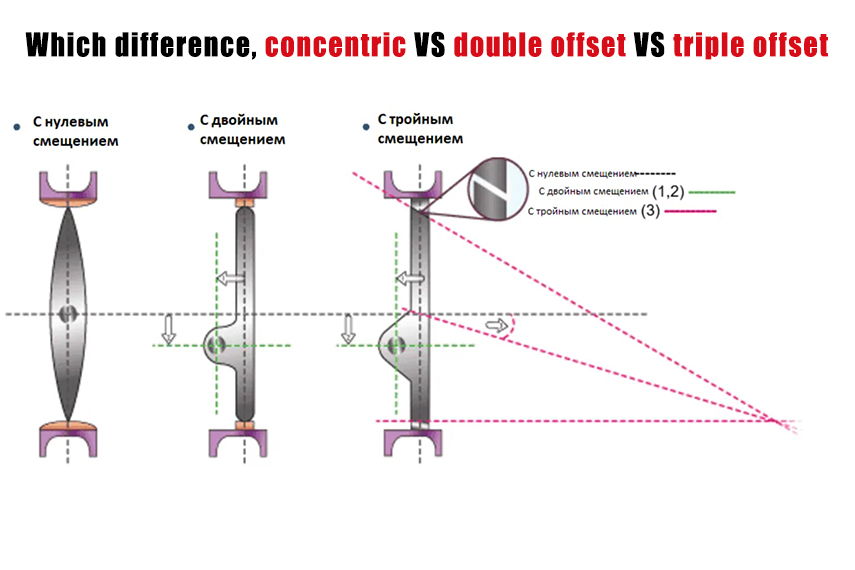
Research: Differences among Concentric, Double offset, Triple offset butterfly valves and their features, applications.
-
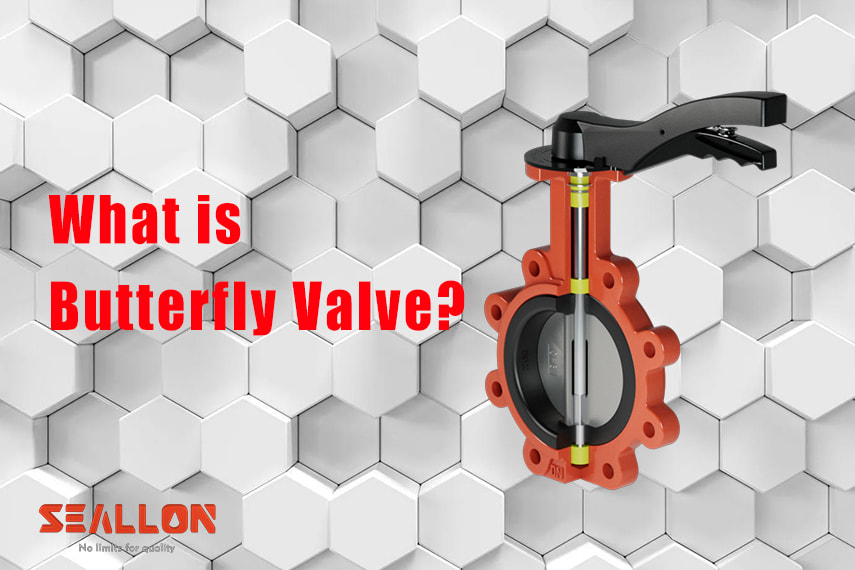
Research: Features and application of Butterfly Valves
-
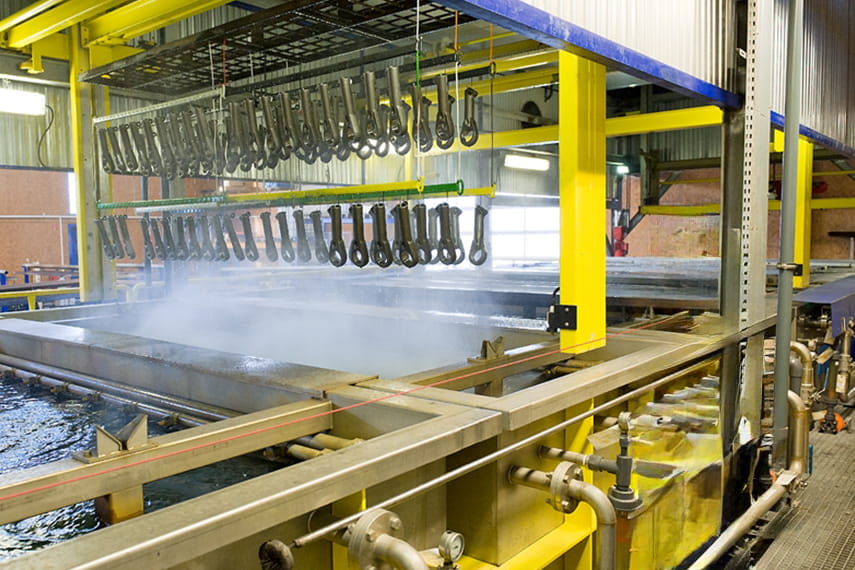
Research: What is Valve Degreasing Treatment?
-
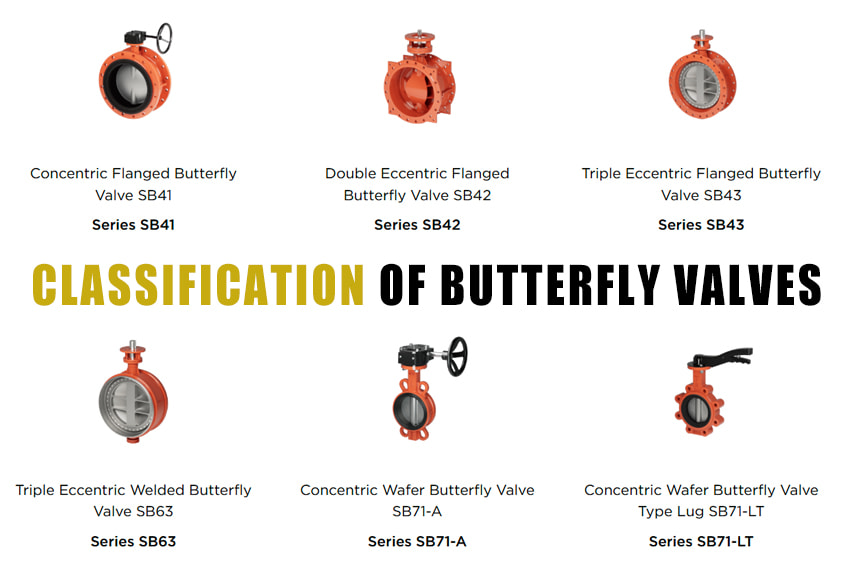
Research: What are the different types of Butterfly Valves?
-
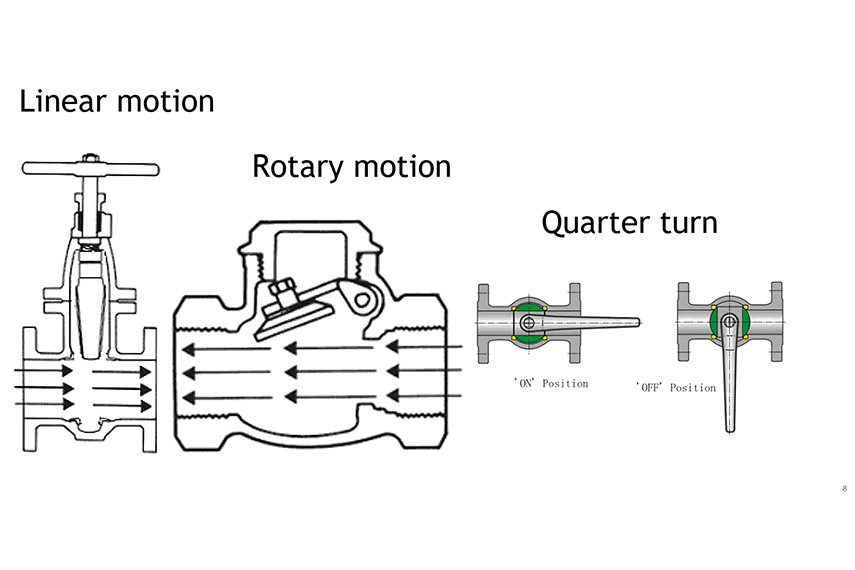
Research: What are the differences between Quarter-turn & Multi-turn valves?
Submit An inquiry

© 2024 Seallon Flow Technology Co.,Ltd. All Rights Reserved