Research: How to Choose the Materials for Butterfly Valves
The material selection for butterfly valves primarily depends on the operating environment and the characteristics of the medium. Below is a detailed analysis of the material selection for the main components of the butterfly valve (valve body, disc, and seat):
1. Valve Body Material
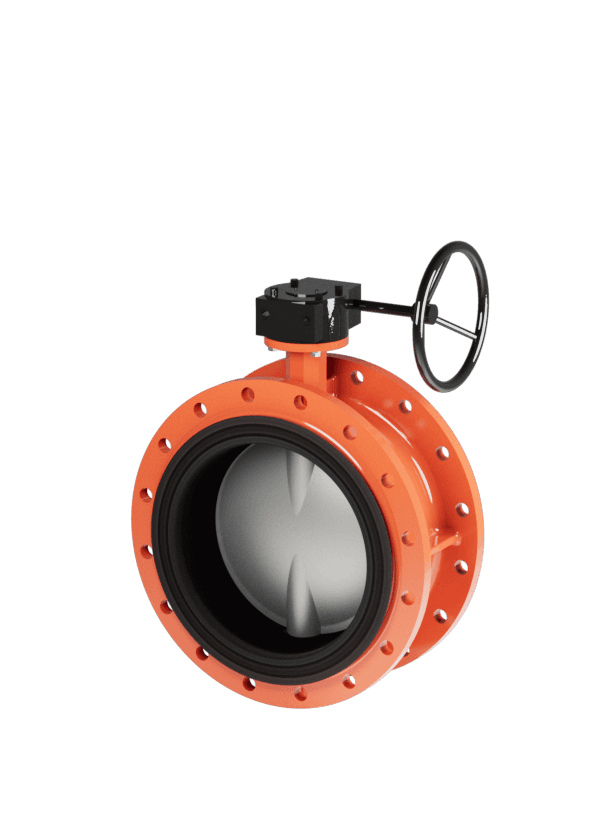
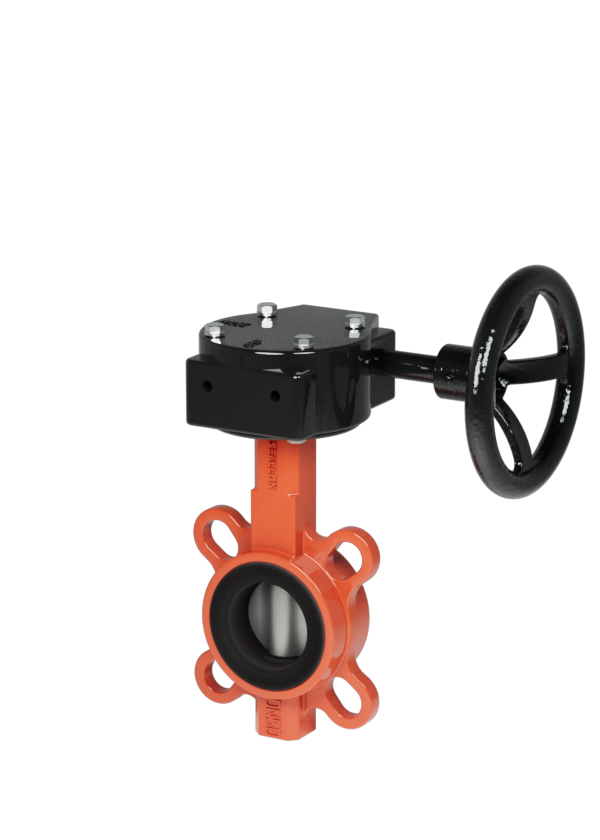
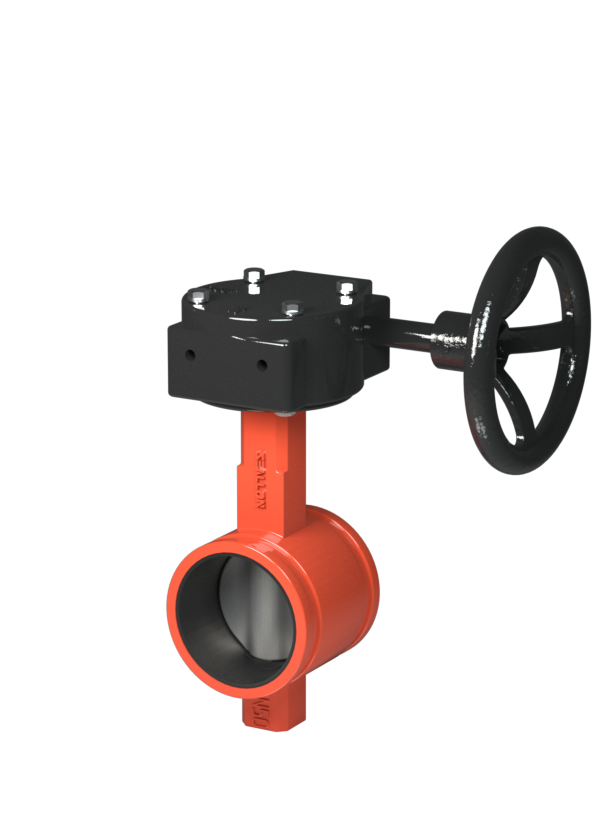
- Cast Iron: Includes gray cast iron (CI) and ductile iron (DI). Gray cast iron butterfly valves are the most common type, primarily used in water systems, but they are prone to rust and have a relatively short service life, although they are inexpensive. Ductile iron butterfly valves offer performance comparable to carbon steel and are commonly used in water systems, making it a widely used material in water systems today.
- Cast Steel (WCB): Cast steel butterfly valves have higher strength and corrosion resistance, making them suitable for medium to high-pressure and corrosive media. However, they have a longer lead time. For pressures up to 16KG, DI can be used as a substitute.
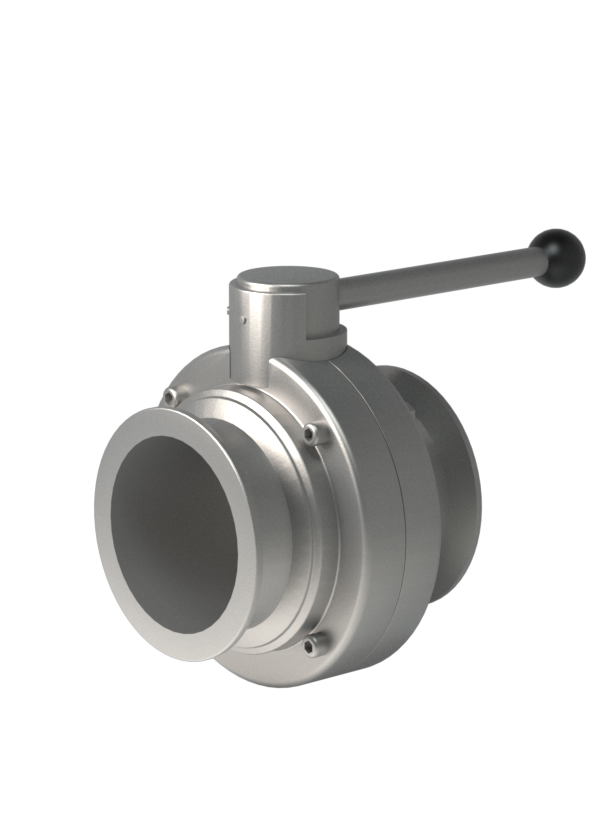
- Stainless Steel: Stainless steel butterfly valves have excellent corrosion resistance and rust prevention, making them suitable for pipelines that require anti-corrosion and anti-rust properties. Common stainless steel materials include 304, 316, 304L, and 316L, with 316 stainless steel providing better corrosion resistance to chloride ions and seawater.
- Aluminum Alloy (ADC12): Aluminum alloy butterfly valves are lightweight, have high strength, and possess strong oxidation resistance. They are used in special conditions such as low temperature, high temperature, and high pressure. Additionally, aluminum alloy butterfly valves, also known as anti-condensation valves, are generally used in lightweight PVC pipelines, and their anti-condensation properties are particularly useful in air conditioning water systems.
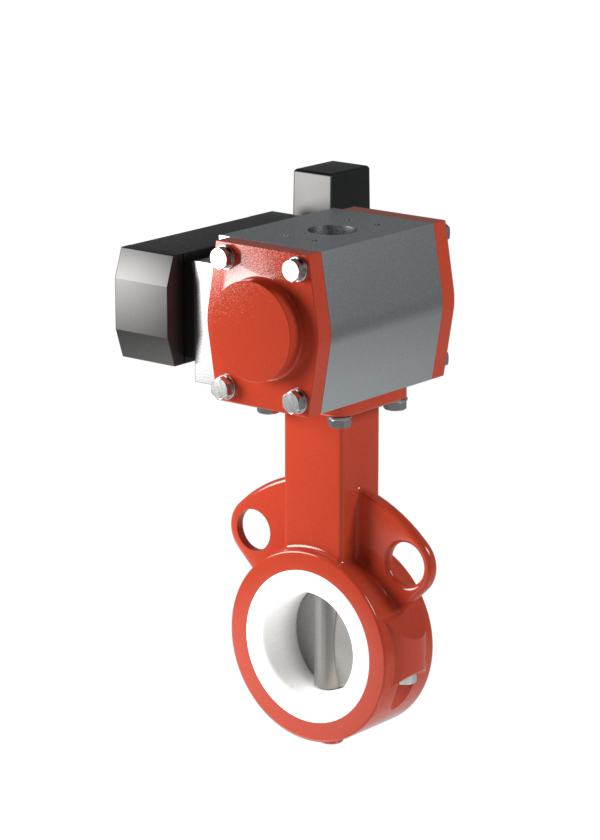
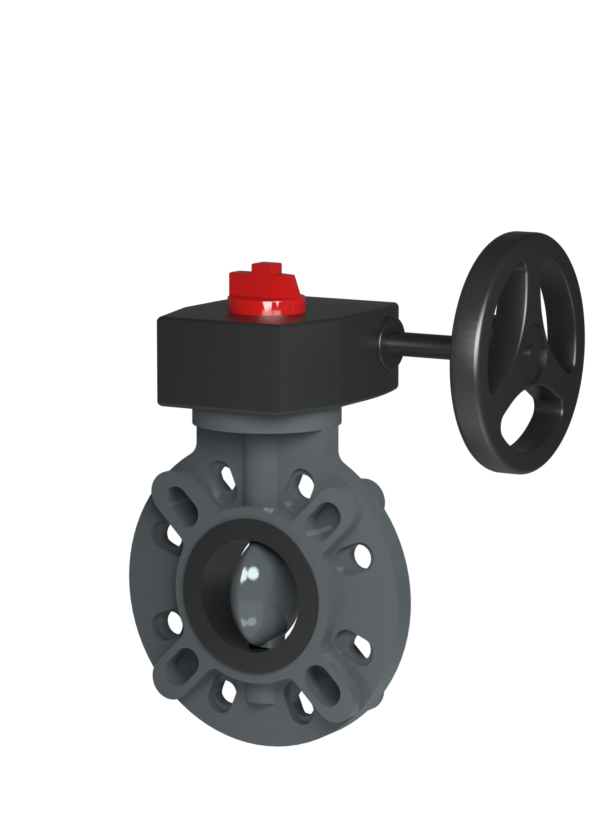
- Plastic: Plastic butterfly valves are lightweight, easy to install, have low resistance, and are inexpensive. They are suitable for highly corrosive media. Common plastic materials include UPVC, PP, and CPVC. Among these, UPVC is resistant to weak acids and weak bases, has high impact strength, low fluid resistance, is lightweight, and provides good sealing performance; PP is resistant to hydrochloric acid and sulfuric acid; CPVC is resistant to heat, acids, alkalis, salts, and oxidizing agents. However, plastic butterfly valves have limited pressure resistance, typically around 6KG, and for pressures above 10KG, aluminum alloy should be used as a replacement.
2. Disc Material
The valve disc is the part that directly contacts the medium in the pipeline, so its material selection is crucial. Common disc materials include nylon, cast steel, stainless steel (304, 316, 304L, 316L), ball iron plating (plated discs), UPVC, CPVC, PP, aluminum bronze (commonly used in desalination), and bidirectional steel.
3. Seat Material
The seat is one of the key components of a butterfly valve, and the material selection directly affects the valve's sealing performance and service life. Common seat materials include:
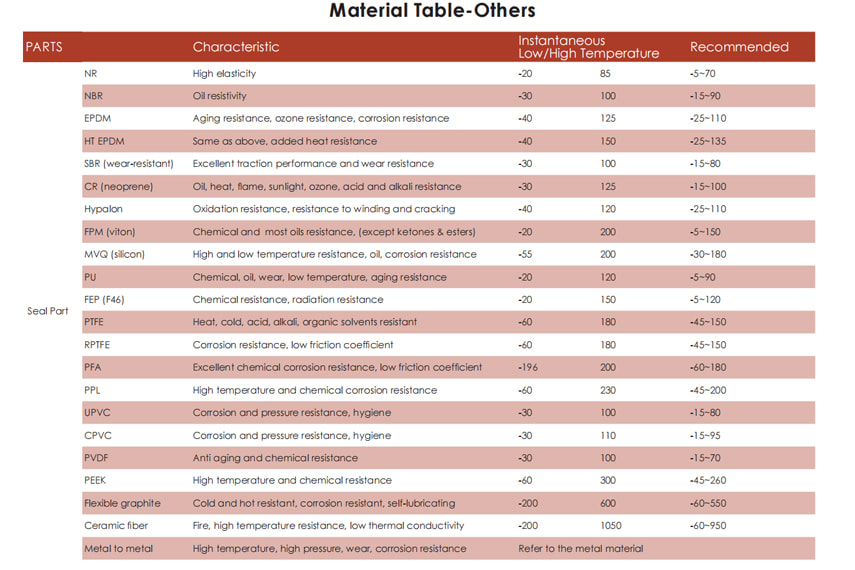
- EPDM (Ethylene Propylene Diene Monomer): Black, soft sealing, with a temperature range of -15 to 135°C. It has resistance to oxidation, ozone, and erosion but is prone to aging when exposed to oil. Suitable for media such as water and steam with temperatures between -20 to 120°C.
- NBR (Nitrile Butadiene Rubber): Known for excellent oil resistance, NBR's oil resistance is second only to polysulfide and fluororubber, and it also has good wear resistance and airtightness. Suitable for oil products with temperatures between 0 and 80°C.
- PTFE (Polytetrafluoroethylene): White, soft sealing, with a temperature range of -15 to 185°C. It features heat resistance, wear resistance, corrosion resistance, and non-stick properties. Suitable for corrosive media below 200°C.
- VITON: Black, soft sealing, with a temperature range of -15 to 200°C. It has excellent chemical stability and high-temperature resistance (similar to silicone rubber), along with good aging resistance. Suitable for rubber machinery and high-temperature particle media.
- Silicone Rubber: Inert to all substances except strong alkalis and hydrofluoric acid, non-toxic, and chemically stable. It is widely used in the food and beverage industry.
Conclusion:
In conclusion, the material selection for butterfly valves should be based on the specific operating environment and medium characteristics. When making a selection, factors such as the medium's corrosiveness, temperature, pressure, as well as the valve's service life and sealing performance, should be carefully considered.