Research: What are the different types of Butterfly Valves?
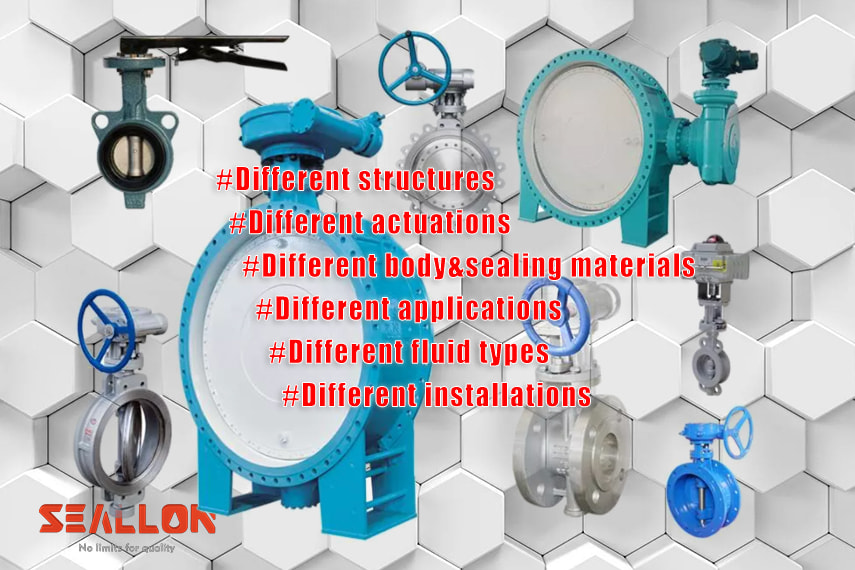
Butterfly valves are a common type of valve widely used in fluid control systems. Based on factors such as structure, actuation method, and working principle, butterfly valves can be classified into several types. Below are the common classifications of butterfly valves:
1. Classification by Structure
· Conventional Butterfly Valve: Primarily consists of a valve body, butterfly plate, valve shaft, and actuator. The butterfly plate rotates inside the valve body to control the flow of fluid.
· Triple Eccentric Butterfly Valve: The butterfly plate is made up of three distinct segments, typically used where high sealing performance is required. The three-piece design enhances the accuracy of flow control.
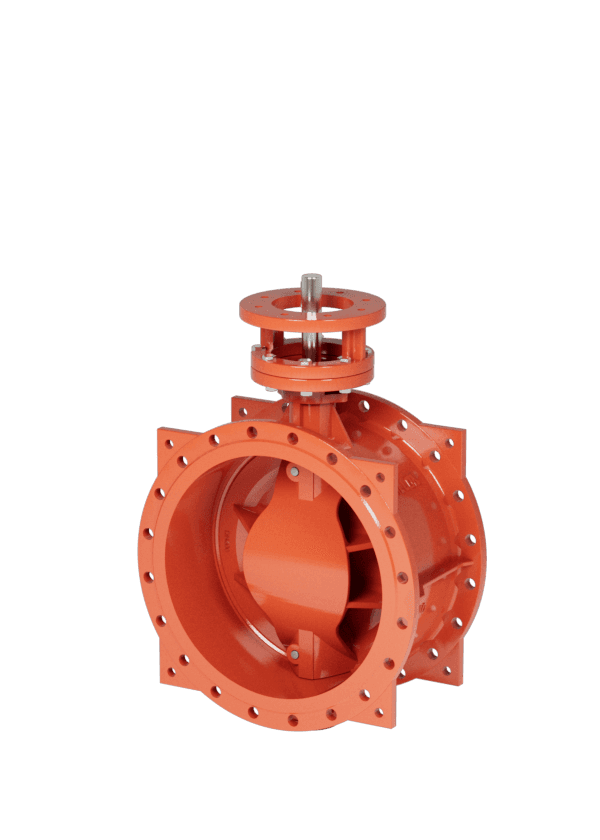
· Double Eccentric Butterfly Valve: The axis of the butterfly plate has two eccentric points, which helps improve sealing performance, reduce sealing surface wear, and is suitable for high-temperature, high-pressure, and corrosive media.
· Single Eccentric Butterfly Valve: The axis of the butterfly plate has a single eccentric point. This design is used in applications with lower sealing requirements, commonly for general fluid control.
· Double Offset Butterfly Valve (High-Performance Butterfly Valve): This design combines double eccentricity and material selection, providing better sealing performance, widely used in high-temperature, high-pressure, and other harsh conditions.
2. Classification by Actuation Method
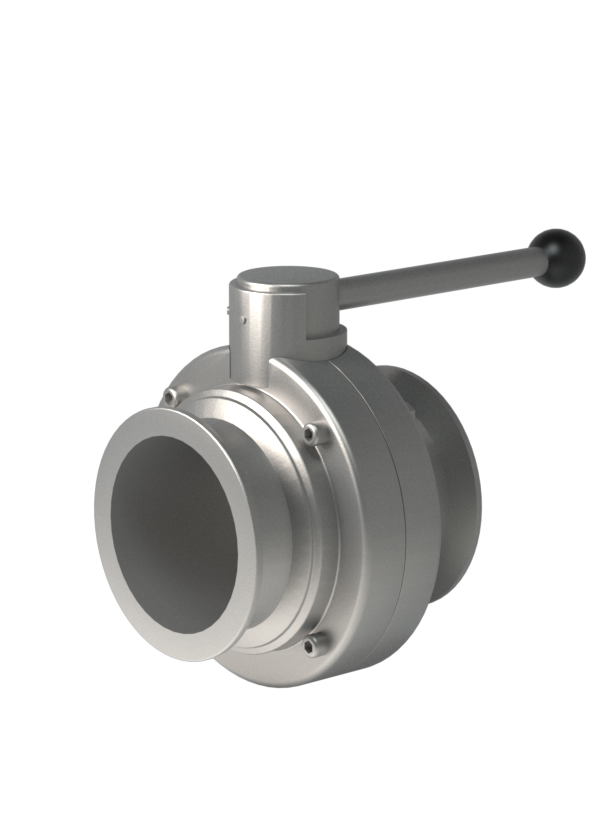
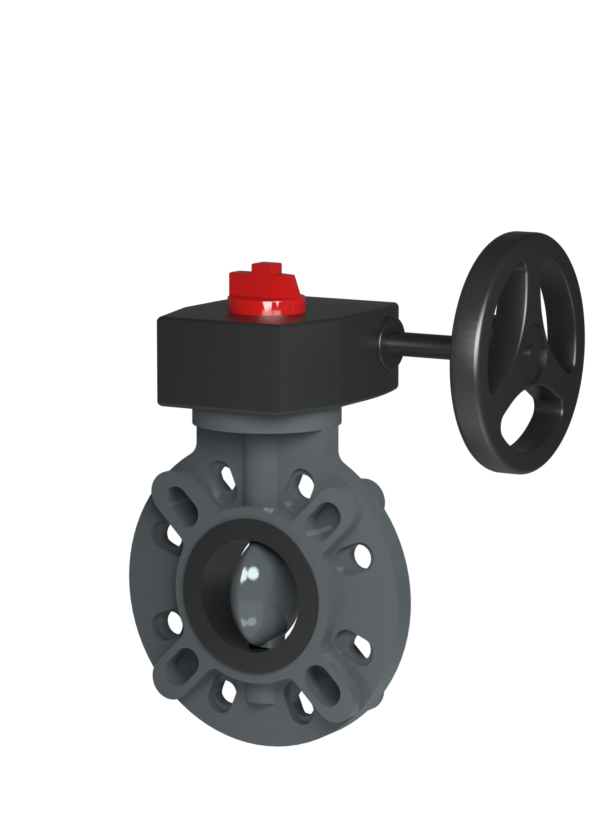
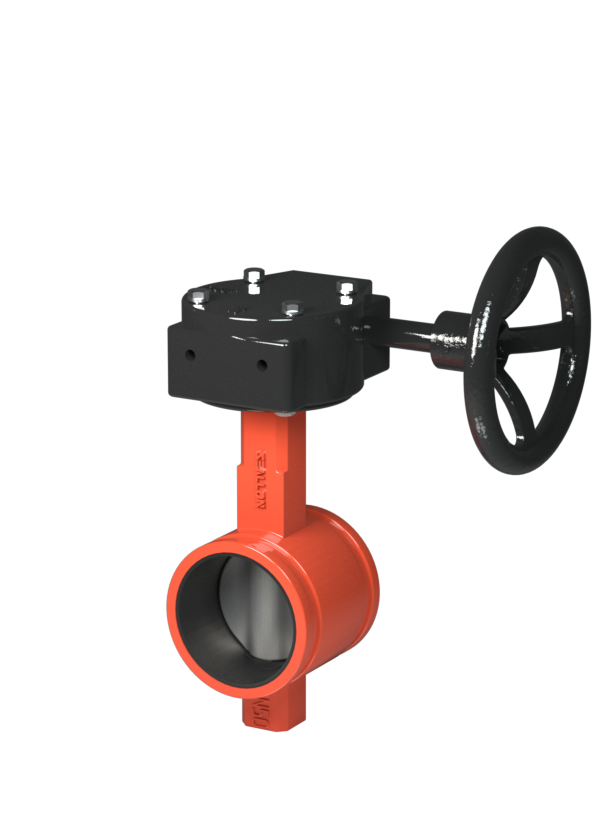
· Manual Butterfly Valve: Operated by handwheel, lever, or gear, suitable for systems with low flow control requirements and lower pressures.
· Electric Butterfly Valve: Driven by an electric actuator, suitable for remote and automated control systems.
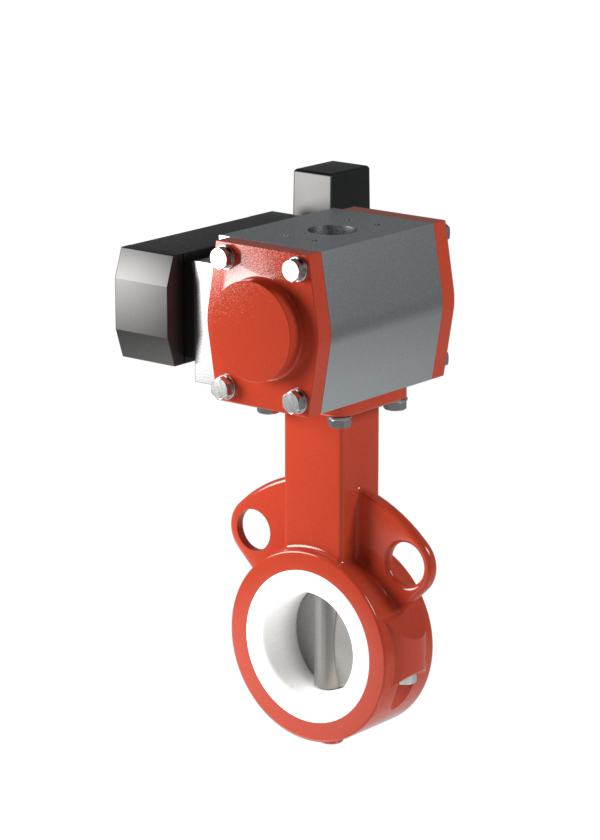
· Pneumatic Butterfly Valve: Operated by compressed air, ideal for fast opening and closing operations, commonly used in hazardous environments.
· Hydraulic Butterfly Valve: Driven by liquids (such as oil or water), typically used in applications requiring high thrust for control.
3. Classification by Sealing Method
· Soft Sealing Butterfly Valve: Uses elastic materials (such as rubber or PTFE) as sealing rings, suitable for low and medium-pressure fluid systems. Soft-sealing butterfly valves have good sealing performance but may have limitations in high-temperature, high-pressure, or corrosive environments.
· Metal Sealing Butterfly Valve: Uses metal or hard materials for the sealing surface, suitable for high-temperature, high-pressure, corrosive environments, or applications requiring higher sealing performance.
· Bidirectional Sealing Butterfly Valve: Designed to withstand pressure from both directions, this type of butterfly valve provides good sealing performance in systems with bi-directional flow.
4. Classification by Application
· Conventional Butterfly Valve: Used for general fluid on/off control, suitable for media such as water, gas, and oil.
· Regulating Butterfly Valve: Used for flow regulation and fluid control, adjusting the butterfly plate to regulate flow, widely used in HVAC (heating, ventilation, and air conditioning), chemical, and petroleum industries.
· Fire-Safe Butterfly Valve: Designed for fire and explosion-prone environments, these valves can effectively block the flow of fluid in the event of a fire, usually equipped with fire-resistant sealing materials.
· Check Butterfly Valve: Used to prevent reverse flow of media, typically installed in pipelines to prevent backflow and protect the system.
5. Classification by Fluid Type
· Water Butterfly Valve: Primarily used in water treatment or water transport systems, suitable for low to medium-pressure environments.
· Gas Butterfly Valve: Used for controlling gas flow, typically equipped with sealing materials that offer excellent sealing performance.
· Oil Butterfly Valve: Used for controlling oil and natural gas flow, typically requiring corrosion resistance and high-temperature capability.
· Chemical Butterfly Valve: Specialized for handling chemical media, requiring valves with corrosion resistance, high temperature resistance, and other specific features.
6. Classification by Valve Body Material
· Cast Iron Butterfly Valve: Suitable for general water and gas media, low-cost, and appropriate for light-duty applications.
· Stainless Steel Butterfly Valve: Offers excellent corrosion resistance, ideal for chemical, food processing, and other industries.
· Aluminum Alloy Butterfly Valve: Lightweight, commonly used in low-pressure applications, and often found in automation systems and light industries.
· Copper Butterfly Valve: Often used in hot water systems or applications requiring high corrosion resistance.
7. Classification by Installation Type
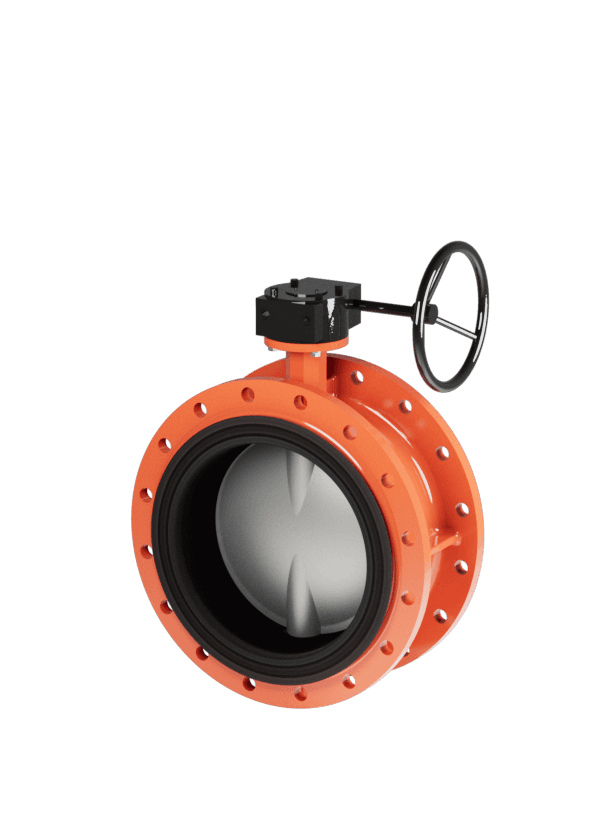
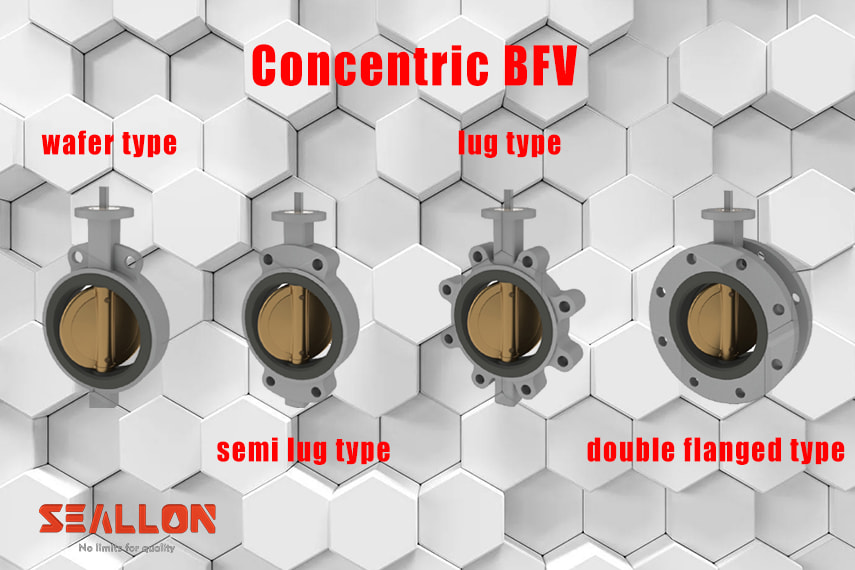
· Flanged Butterfly Valve: Connected to the pipeline by flanges, commonly used for large-diameter valves.
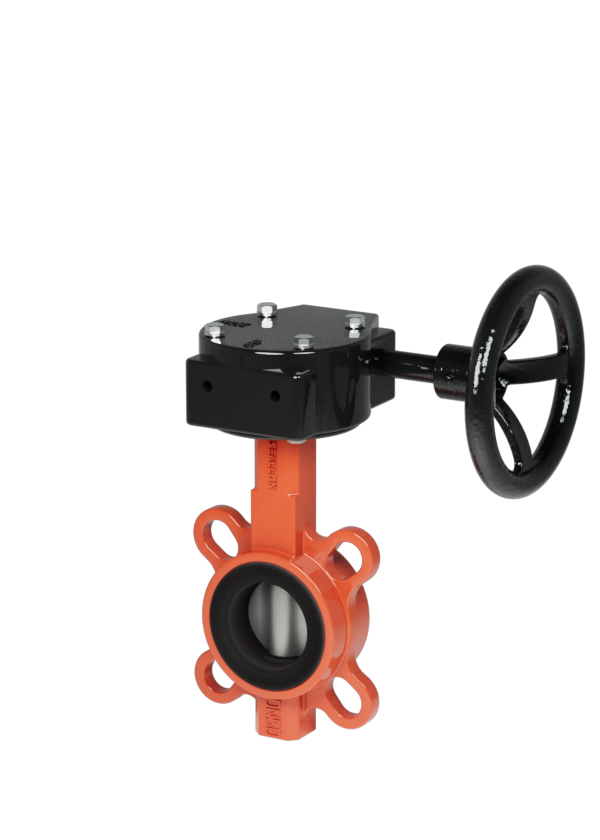
· Lug Butterfly Valve: Connected to the pipeline by bolts at both ends, typically used for medium and small-diameter pipes, ideal for systems where disassembly and maintenance are needed.
· Threaded Butterfly Valve: Connected to the pipeline by threads, suitable for small-diameter pipelines.