Ammonia-rated globe valves were selected the Chemical Plant in Gomel, Belarus
Key Words: #SGL41, #Globe valve, #corrosion-resistant globe valve, #Ammonia globe valve, #Chemical plant valves, #stainless steel 904L valve, #316Ti globe valve

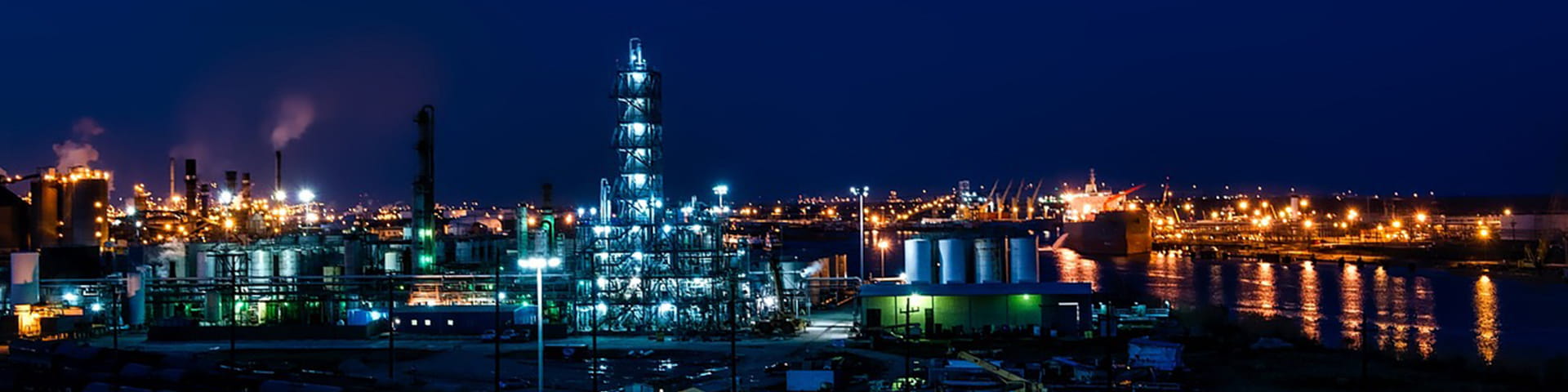
The selection of valves depends on factors such as the type of chemical being processed, operating conditions (pressure and temperature), corrosion resistance requirements, and regulatory standards. These valves are typically made from materials such as stainless steel, exotic alloys (e.g., Hastelloy, Inconel), and specialized plastics (e.g., PTFE-lined valves) to withstand the corrosive and erosive effects of chemicals and ensure long-term reliability in harsh process environments.
•Ball Valves: Versatile and widely used for ON/OFF control and isolation of flow. They provide quick shut-off capabilities and are suitable for a wide range of chemicals and process conditions;
•Gate Valves: Use for ON/OFF control in pipelines and process systems handling various chemicals. They provide a tight seal when closed and are suitable for high-pressure applications;
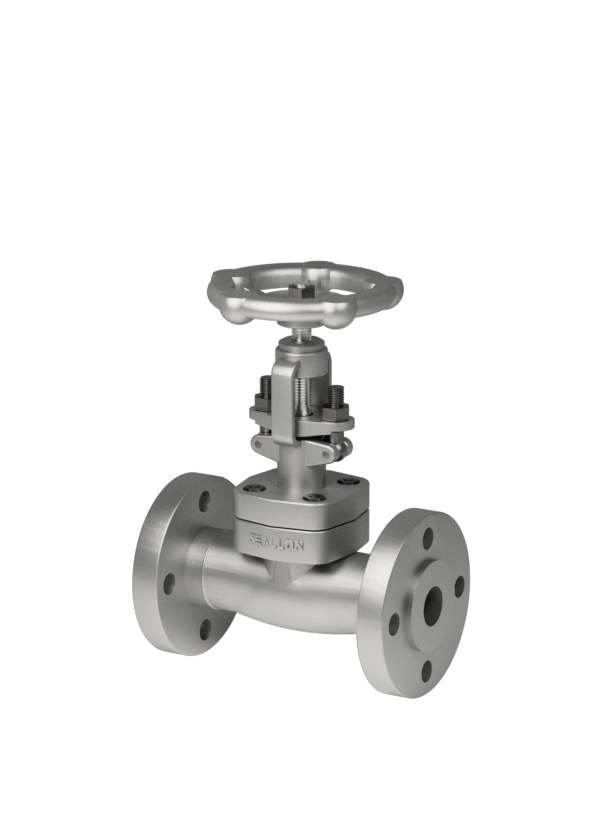
•Globe Valves: Regulate flow by moving a disc against the flow stream. They offer precise control and are used in applications where throttling of flow is necessary, such as chemical dosing systems and process control;
•Check Valves: Prevent reverse flow of chemicals and maintain system integrity. They are essential in preventing backflow in pipelines, pump discharge lines, and process equipment;
•Butterfly Valves: Use for isolation and control of flow in large-diameter pipelines and low-pressure applications. They are suitable for handling corrosive chemicals and provide quick operation;
•Diaphragm Valves: Use a flexible diaphragm to control flow and provide a tight seal. They are suitable for handling corrosive and abrasive chemicals in chemical processing and water treatment applications;
•Control Valves: Regulate flow, pressure, and temperature based on signals from control systems. They are used in process control applications such as chemical reactors, distillation columns, and mixing systems;
•Safety Relief Valves: Automatically open to release excess pressure and protect equipment and personnel from overpressure hazards. They are critical in maintaining safety in chemical reactors, storage tanks, and pressure vessels.
•Bellows Sealed Valves: Prevent leakage and fugitive emissions in hazardous chemical processes. They provide a secondary seal and are used in applications requiring tight shut-off and environmental protection.



Trust Seallon's QC system to conduct multiple methods of testing during production & before shipment, and be professional, responsible for product quality and inspection results.
Seallon`s self-developed ERP system can realize efficient production management, optimize production processes. Our customers should know the progress of their orders.
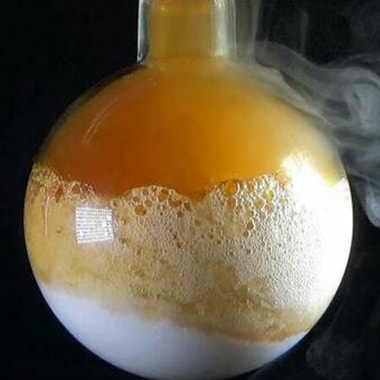
Acid
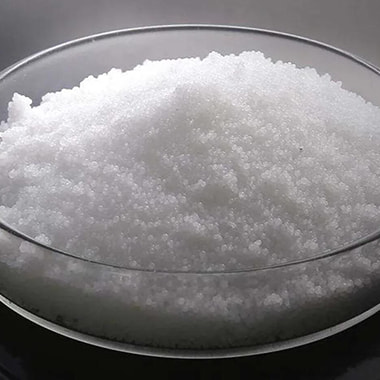
Alkali
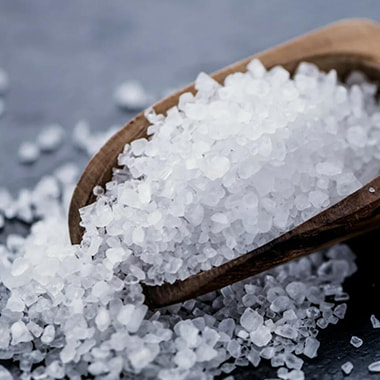
Salt
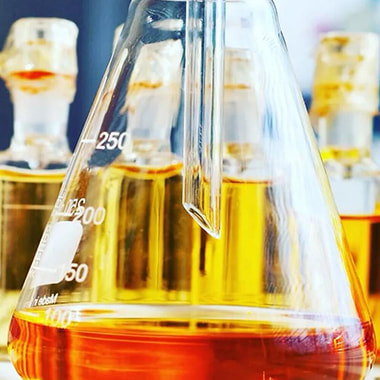
Organic Compounds
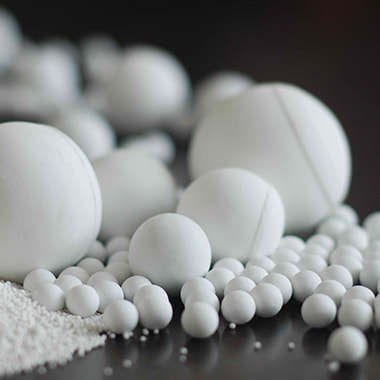
Inorganic Compounds
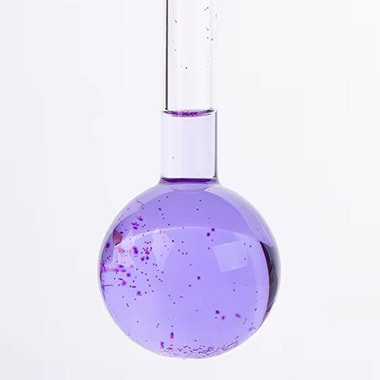
Catalyst
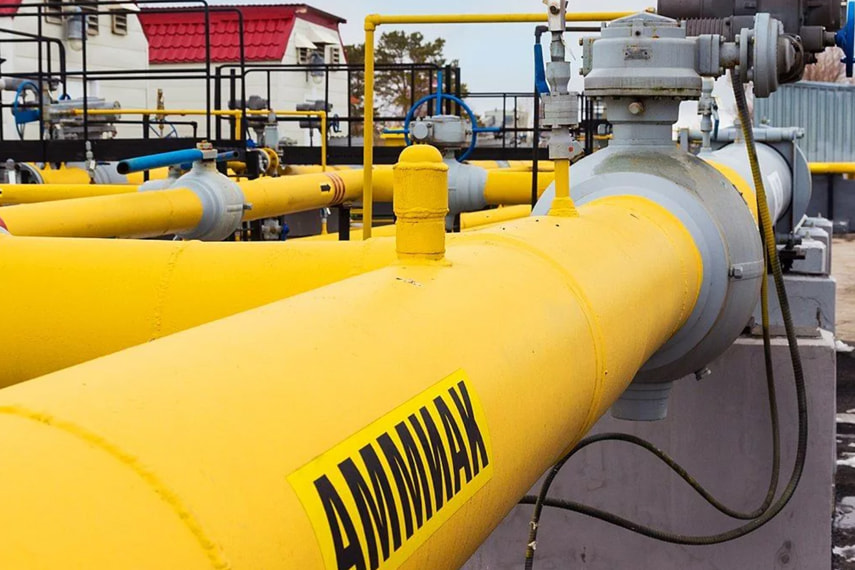
Key Words: #SGL41, #Globe valve, #corrosion-resistant globe valve, #Ammonia globe valve, #Chemical plant valves, #stainless steel 904L valve, #316Ti globe valve
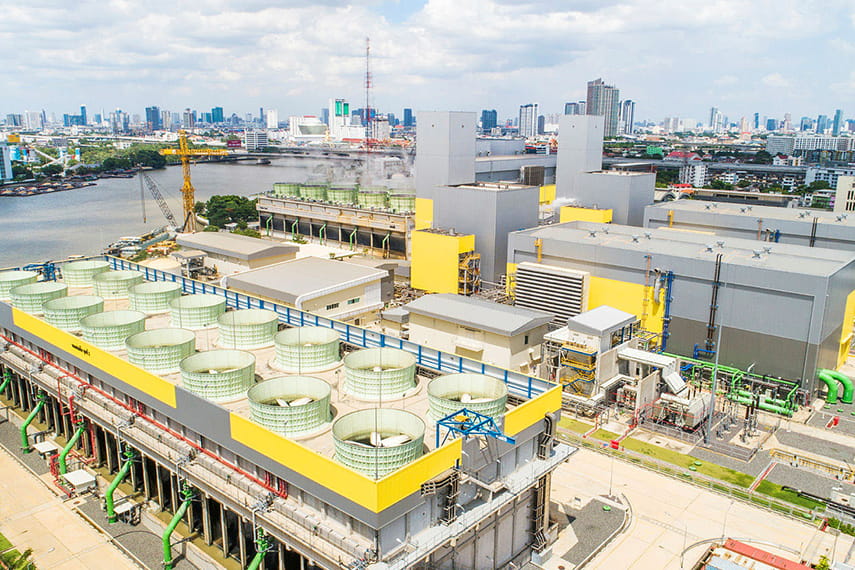
Key Words: #SG73-B, #Knife gate valve, #steam pipeline, #bidirectional sealing, #zero leakage, #PTFE seat
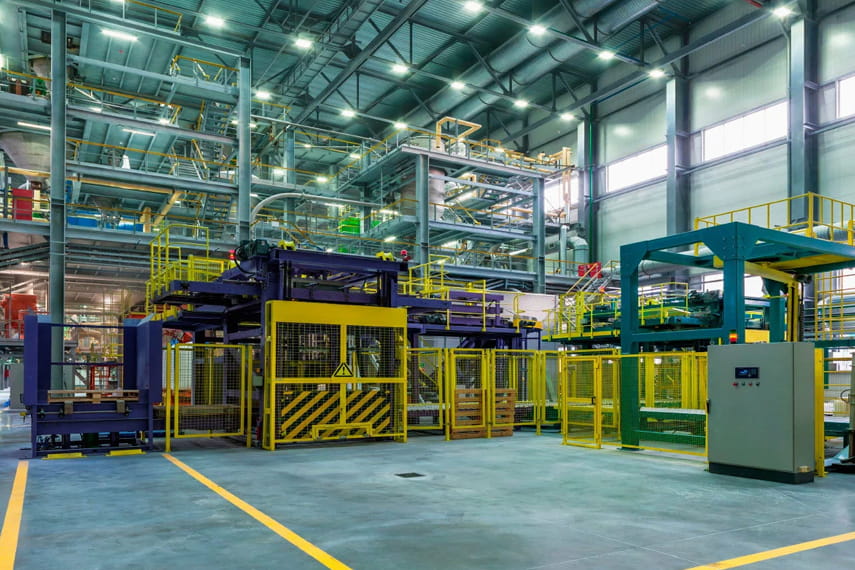
Key Words: #SB71-P, #full lined butterfly valve, #PFA lined, #thickness of fluorine lining, #ptfe butterfly valve, #hydrochloric, #sulfuric, #phosphoric acids
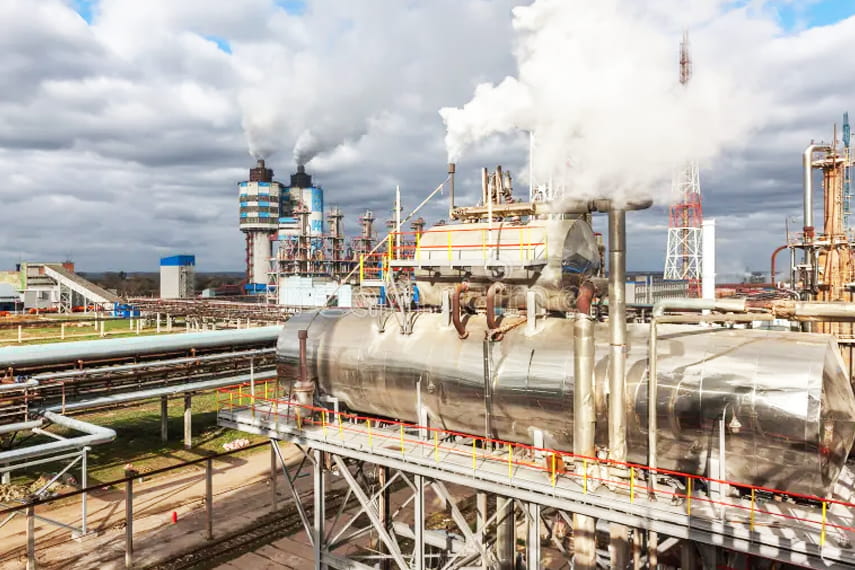
Key Words: #SK41, #two-piece ball valves, #Nitrogen fertilizer valves, #corrosion resistance valves, #high pressure ball valves, #durable ball valves
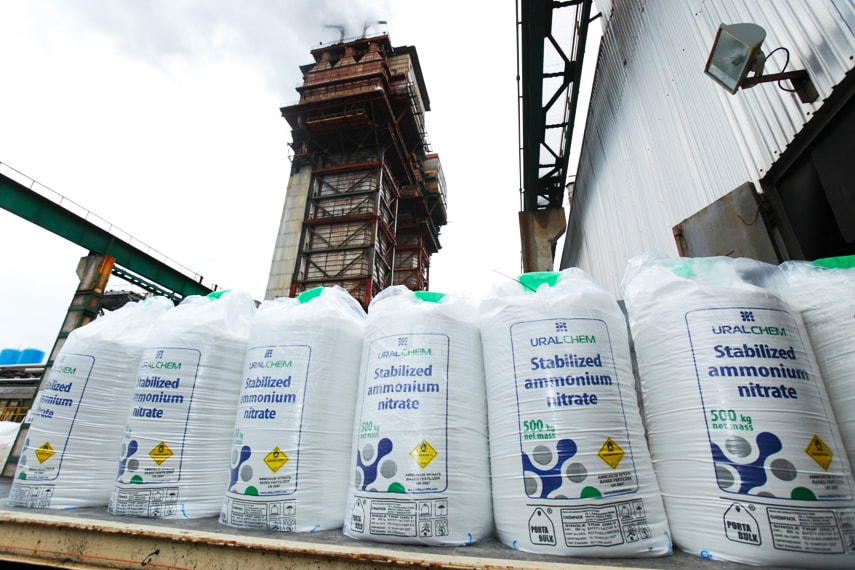
Key Words: #SK41-P, #full-lined ball valve, #CF8 ball valves, #PTFE lining ball valves, #concentrated sulfuric acid, #fire-proof valves, #two-piece ball valves
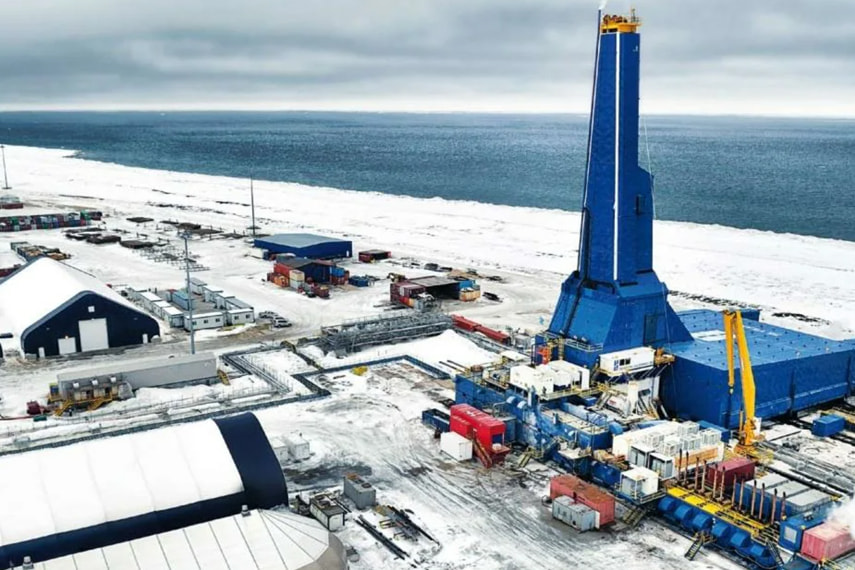
Key Words: #SG73-E, #flanged knife gate valve, #slurry knife gate valve, #aggressive chemicals valve, #knife gate valves in chemical industry, #metal to metal knife gate valve

© 2024 Seallon Flow Technology Co.,Ltd. All Rights Reserved