Research: Can Butterfly Valves Be Used for Throttling or Flow Control?
Butterfly valves are widely used in industrial piping systems due to their compact design, cost-effectiveness, and ease of operation. But a common question among engineers and system designers is:
Can butterfly valves be used for throttling or flow control?
The answer is: Yes! — but with certain considerations.
What Is Throttling in Valve Applications?
Throttling refers to the partial opening of a valve to regulate or control the flow rate of a fluid. Unlike simple on/off operations, throttling requires precise positioning and stable flow characteristics — areas where valve type, disc design, and seat material all play important roles.
Why Use a Butterfly Valve for Flow Control?
Butterfly valves are quarter-turn valves that use a rotating disc to regulate the flow. They are commonly selected for flow control in:
- Water distribution systems
- HVAC systems (Heating, Ventilation, and Air Conditioning)
- Chemical and petrochemical processing
- Cooling towers and fire protection networks
- Food and beverage industry
Best Butterfly Valve Types for Throttling
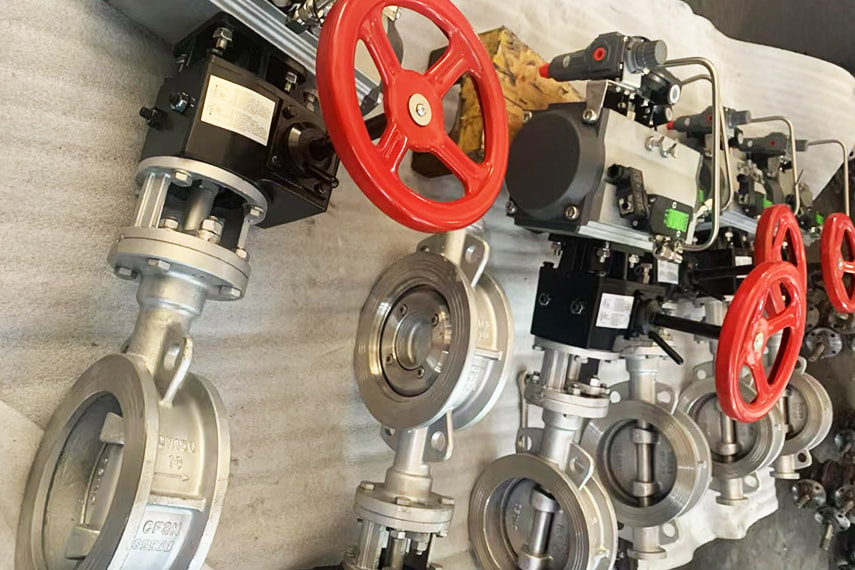
- High-Performance Butterfly Valves (SB72): These double-offset butterfly valves offer more stable throttling characteristics and reduced wear compared to standard concentric designs.
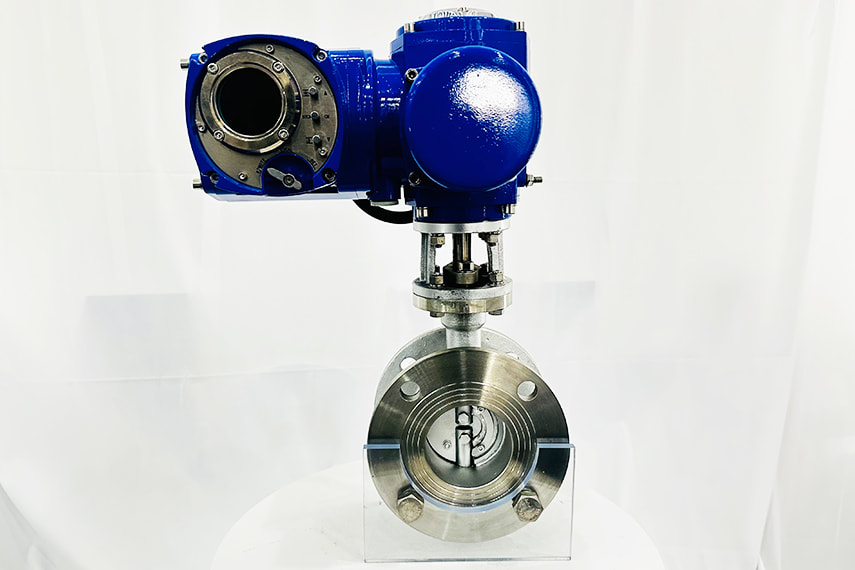
- Triple-Offset Butterfly Valves (SB73, SB43, SB63): Ideal for precise flow control in high-pressure and high-temperature applications. The metal-to-metal sealing ensures tight shut-off and modulation accuracy.
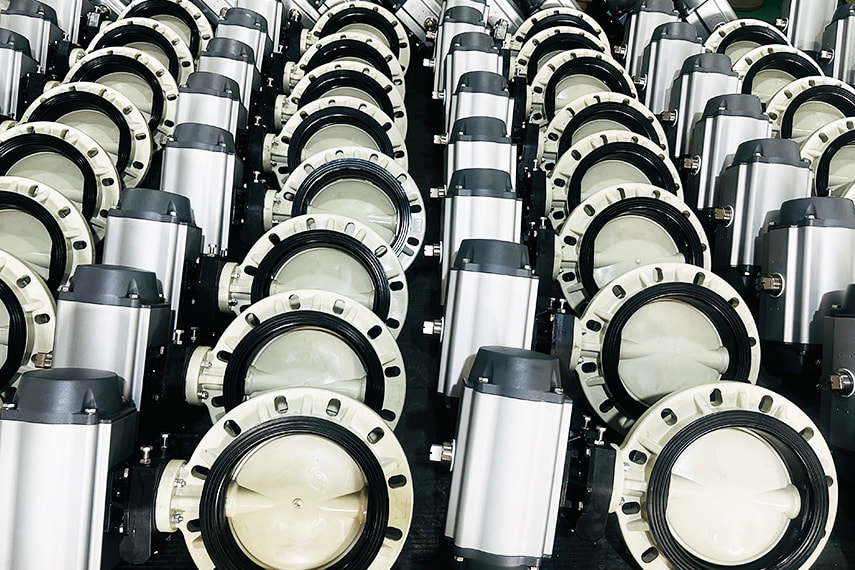
- Electric or Pneumatic Actuated Butterfly Valves (SB971, SB941, SB671, SB641): Automated butterfly valves with positioners allow for accurate and repeatable control, which is essential in continuous process industries.
Key Benefits of Using Butterfly Valves for Throttling
- Quick response time due to 90° rotation
- Low-pressure drop when fully open
- Compact installation footprint compared to globe or ball valves
- Lightweight and easy to automate
- Suitable for large-diameter pipelines
Limitations and Considerations
- While butterfly valves are commonly used for throttling, they may not be suitable for:
- Very precise flow control in critical systems — where globe valves or control valves are preferred
- Cavitation-prone systems — improper throttling can lead to vibration and seat erosion
- Very low flow rates, where disc control becomes less stable
- Using a double-offset or triple-offset design significantly improves control performance and extends valve life.
Butterfly Valve Flow Control Tips
- Use actuators with position feedback for automated control.
- Install flow control butterfly valves with proper flow direction marking.
- Select seat materials (like PTFE, EPDM, NBR) based on the process fluid.
- Avoid throttling in the 0–15% or 85–100% disc angle range, where control sensitivity is lower.