Research: How Are Valves Pressure Tested?
Valve pressure testing is a critical quality control step that ensures the valve's structural integrity and leak-tight performance under working conditions. Whether the valve is destined for water pipelines, chemical plants, or steam systems, thorough testing guarantees its reliability and safety in operation.
Types of Valve Pressure Tests (depending on the valve type and application, different pressure test methods are used):
1. Hydrostatic Shell Test
Verifies the strength of the valve body.
The valve is filled with water and pressurized to 1.5 times the rated pressure.
No leakage is allowed from the body or bonnet.
2. Seat Leakage Test
Assesses the sealing performance of the valve seat.
For resilient-seated valves, even micro-leakage is unacceptable.
May involve water (hydrostatic) or air (pneumatic), depending on the valve design.
3. Air Tightness Test
Common for valves used in gas systems or low-pressure environments.
Uses compressed air at a lower pressure (typically 0.6 MPa) to detect the smallest leaks.
4. Functional Test
Ensures the valve operates smoothly during opening and closing cycles under pressure.
Testing Equipment Used
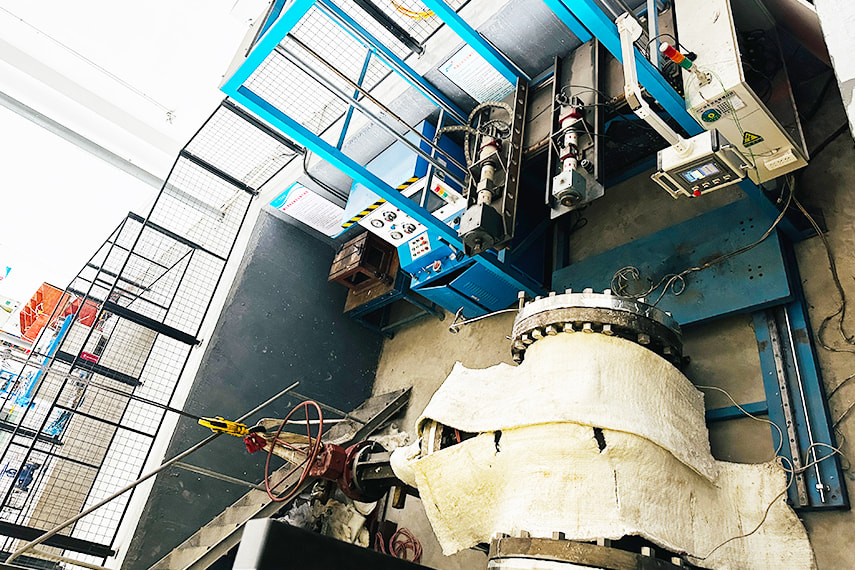
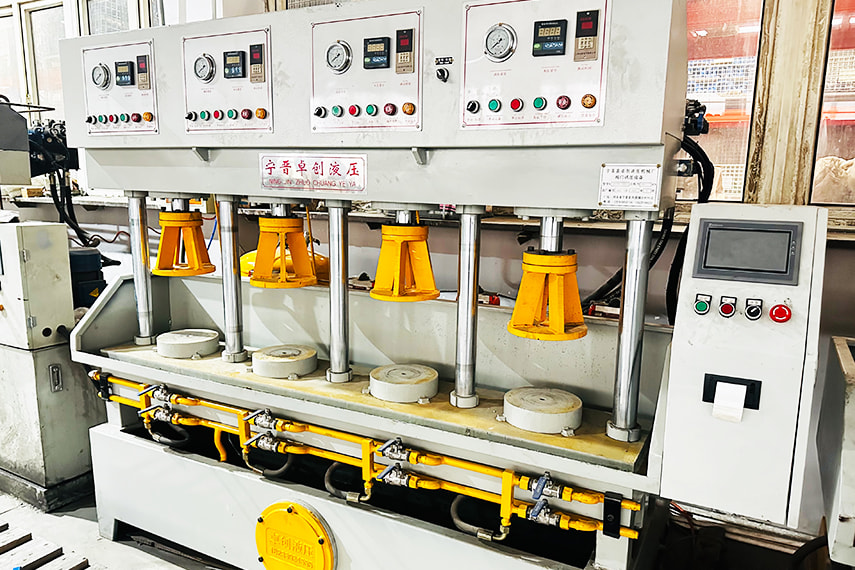
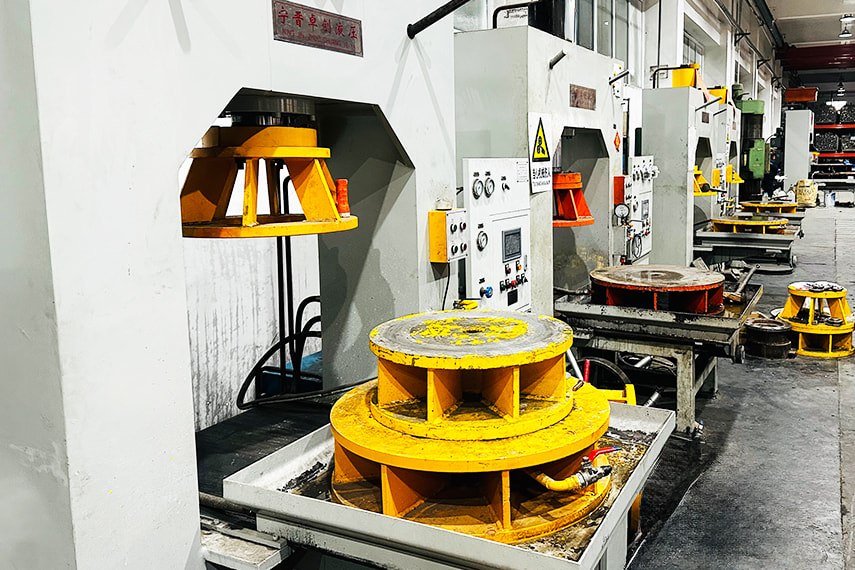
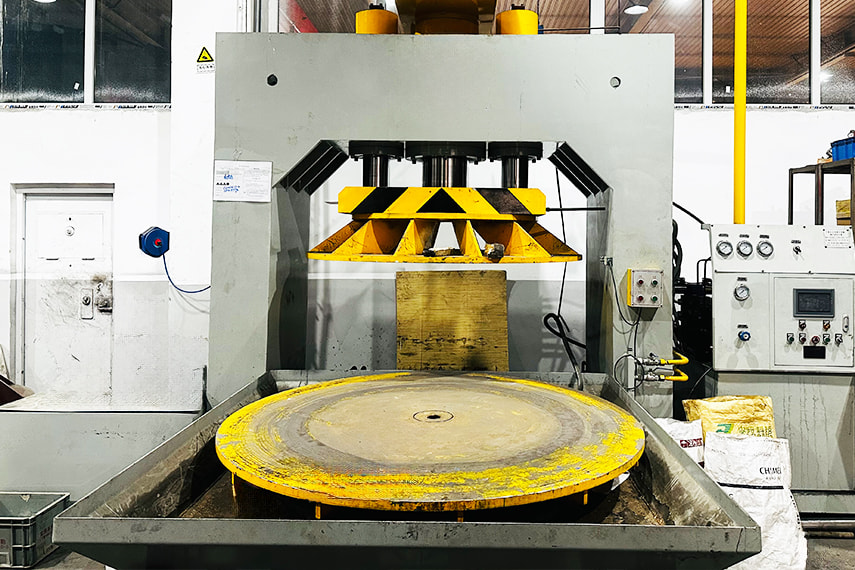
- Hydrostatic Test Benches: For high-pressure water testing of industrial valves.
- Pneumatic Test Benches: Equipped with air compressors and leak detection systems.
- Digital Pressure Monitors: Provide real-time test pressure recording and data storage.
- Seal Integrity Chambers: For precise, automated tightness verification.
Common Pressure Test Standards
Seallon follows a wide range of international standards, depending on customer needs and project specifications:
- API 598 – Common for ball, gate, globe, and check valves.
- EN 12266-1/2 – European standard covering shell and seat tests.
- ISO 5208 – Applies to industrial metal valves.
- GB/T 13927 – Chinese national standard for industrial valve pressure testing.
Common Issues During Pressure Testing
- Minor seat leakage due to improper seat alignment or contamination.
- Body seepage from casting porosity or pinholes.
- Stem seal leakage caused by damaged packing or installation errors.
- Test pressure instability from manual pump fluctuations or air entrapment.
At Seallon, such issues are proactively identified and corrected before the valve leaves the factory.
Key elements of Seallon’s testing protocol include:
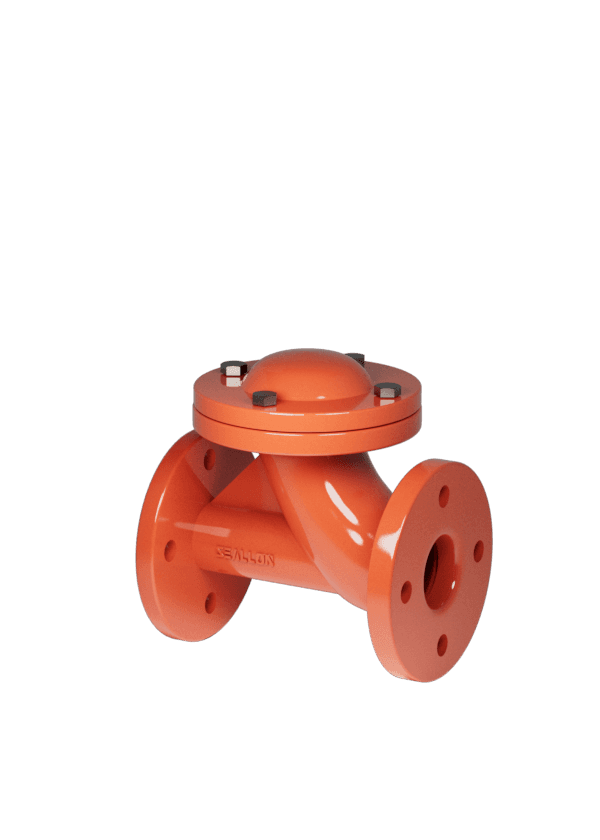
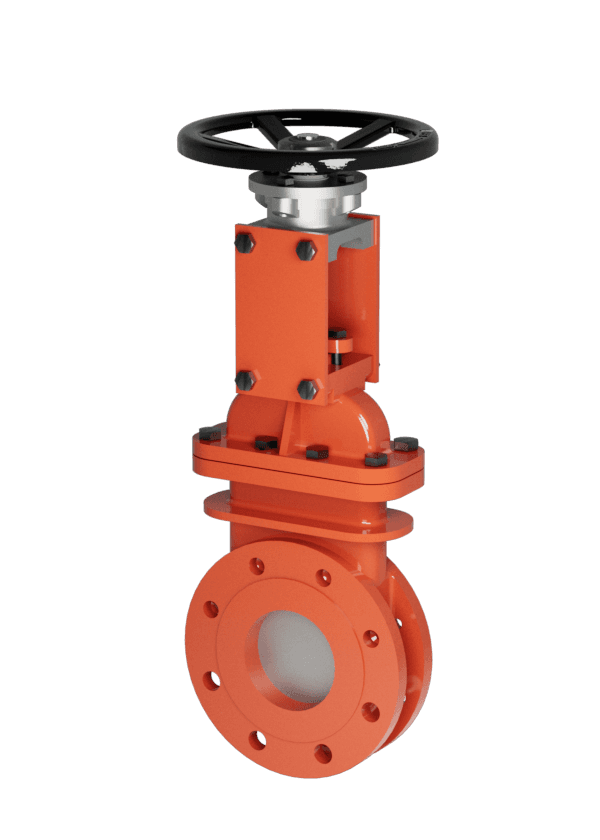
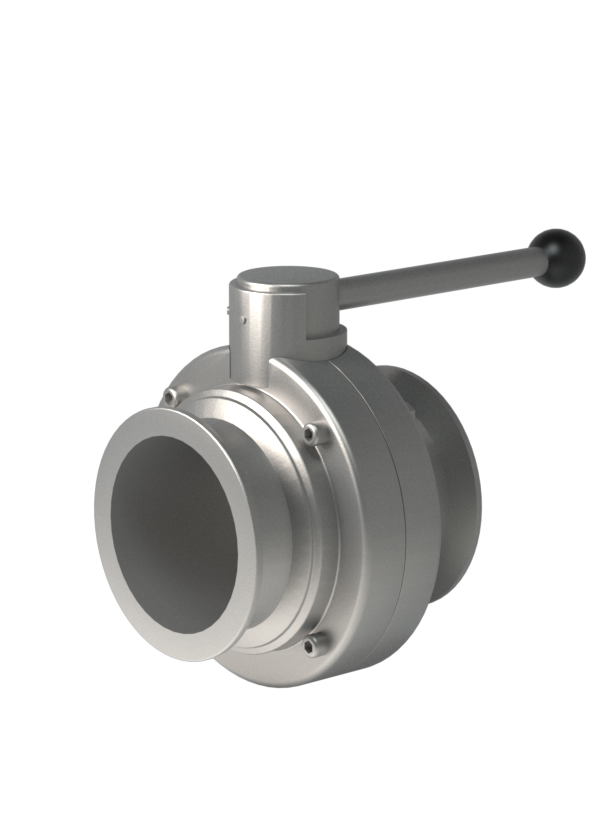
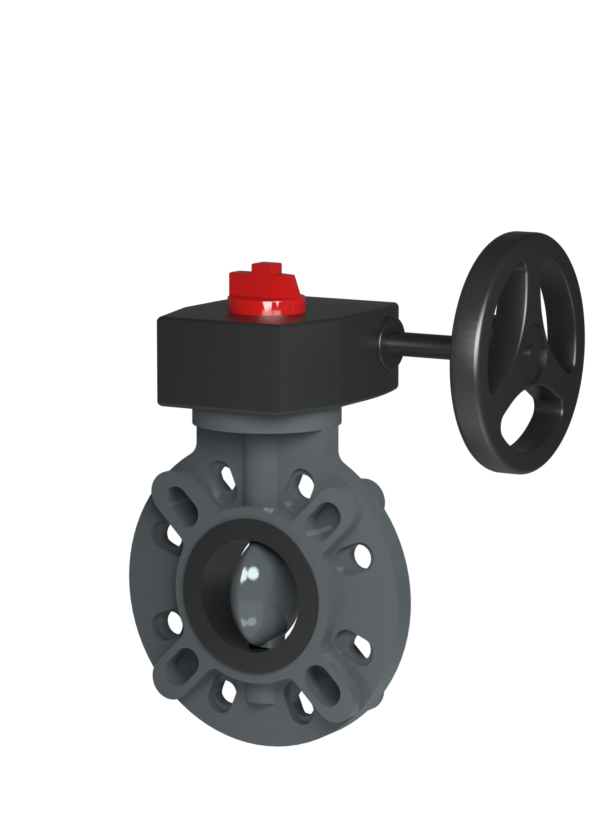
✅ Independent Pressure Test Stations for each valve category (gate, globe, ball, butterfly).
✅ 100% Pressure Testing on all outgoing valves — no sampling.
✅ Digital test records archived for traceability.
✅ Tight tolerance calibration of test gauges using TÜV-aligned procedures.
✅ Multi-point inspection checklist covering body, seat, stem, and actuator mounting before final release.