Research: Are Butterfly Valves Directional?
One of the most commonly searched questions in 2025 about industrial valves is:
“Are butterfly valves directional?”
The answer is:
Yes, many butterfly valves are directional — especially high-performance types.
Understanding the flow direction and installation orientation is critical to ensure leak-free operation, longer service life, and optimized performance in your pipeline.
What Does “Directional” Mean for a Butterfly Valve?
A directional butterfly valve is designed to work best when the fluid flows in a specific direction, as determined by:
- Disc geometry
- Valve seat design
- Offset structure (e.g., double offset, triple offset)
- Pressure differential behavior
- Improper installation — such as reversing the flow — can cause seal damage, leakage, or even early valve failure.
Which Butterfly Valves Are Directional?
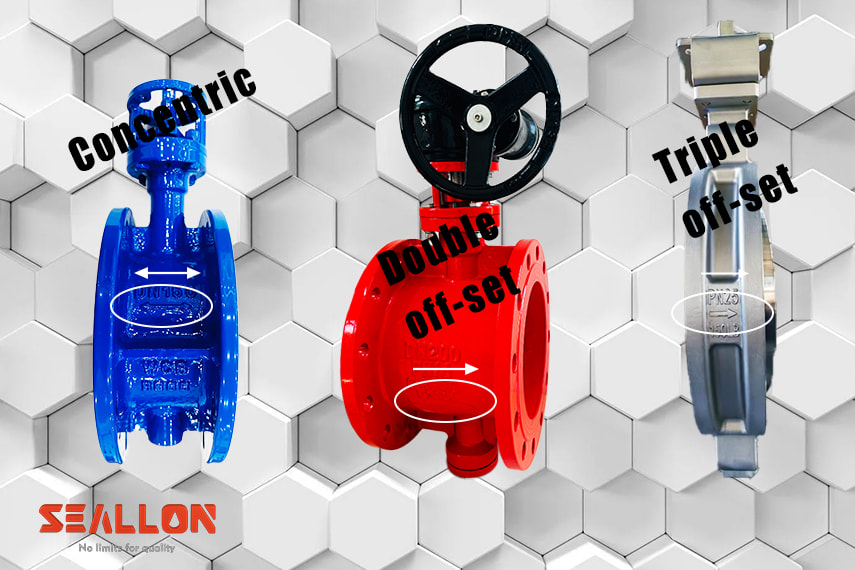
1. Concentric (Resilient Seated) Butterfly Valves
- Typically non-directional
- Designed with a centered disc and seat
- Can usually handle flow from either side
- Common in low-pressure water systems, HVAC, food-grade applications
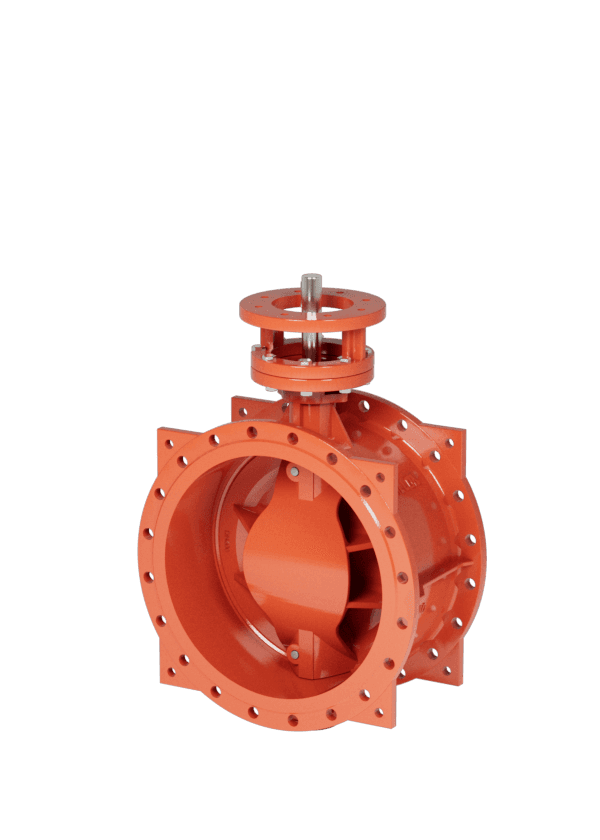
2. Double Offset Butterfly Valves
- Usually directional
- Offsets reduce seat contact during opening/closing, but only when flow aligns correctly
- Ideal for medium- to high-pressure industrial applications
3. Triple Offset Butterfly Valves
- Always directional
- Metal-to-metal seating relies on eccentric closing torque
- Incorrect flow can cause seat wear and leakage
- Used in steam, chemical, and power generation sectors
Flow Direction: What to Look For
- Arrow Markings: Most directional butterfly valves come with a cast or stamped arrow on the body to indicate the preferred flow direction.
- Datasheets: Manufacturer manuals specify inlet and outlet orientation.
- Pressure Ratings: Some valves are rated asymmetric for upstream/downstream pressure.
What Happens If You Install a Directional Butterfly Valve Backwards?
- Uneven wear on the disc sealing edge
- Reduced sealing performance due to seat deformation
- Increased torque requirements
- Higher risk of leakage or damage under differential pressure
Installation Tips for Directional Butterfly Valves
- Always check the flow direction arrow before installing.
- For lug-style butterfly valves, make sure bolt alignment allows correct face sealing.
- In wafer-type installations, ensure even gasket compression and correct orientation.
- Use ISO 5211 mounting pads for precise actuator alignment.
- Avoid using directional valves in bidirectional flow systems unless specified as suitable.
High-Performance Directional Valve Recommendation
If your application requires tight shutoff, throttling, or corrosive fluid control, we recommend:
- SB72 Series – High-Performance Double Offset Butterfly Valve
- SB42 Series – Flanged Double Offset Butterfly Valve
- SB73 Series – Wafer Triple Offset Butterfly Valve
- SB43 Series – Flanged Triple Offset Butterfly Valve
- SB63 Series – Butt-welded Triple Offset Butterfly Valve