Research: High-Temperature vs Low-Temperature Valve Materials
🔥 High-Temperature Valve Materials
Valves exposed to elevated temperatures (typically above 400°C / 752°F) require materials that resist creep, oxidation, and thermal fatigue.
✅ Carbon Steel Grades for High-Temperature Service
| Grade | Cr (%) | Ni (%) | Mo (%) | Ti (%) | Hardness (HB) | Temp Range | Common Use |
|---|---|---|---|---|---|---|---|
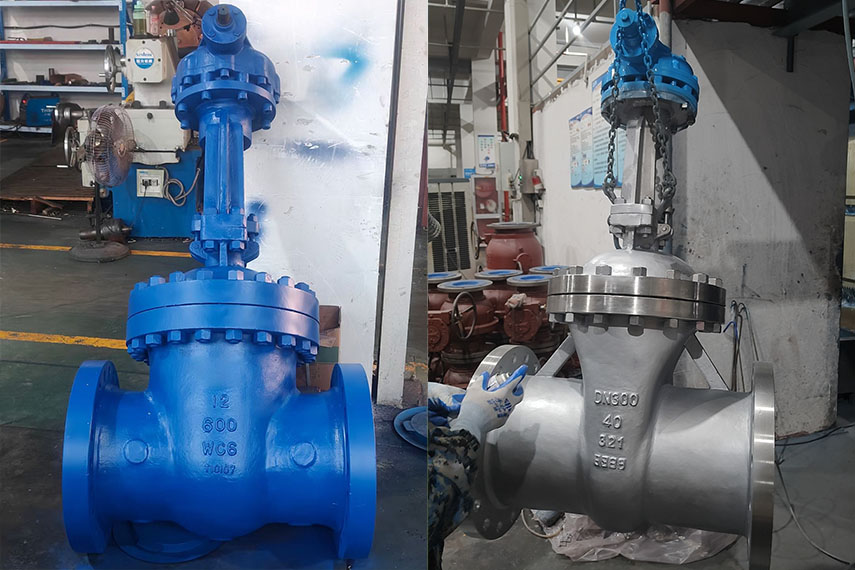
| A217 WC6 | 0.5-0.8 | ≤0.5 | 0.45-0.65 | - | ~200 | Up to 600°C | Superheated steam, boiler feed |
| A217 WC9 | 4-6 | ≤1.0 | 0.9-1.2 | - | ~220 | Up to 650°C | Refinery, petrochemical |
| A105 (limited) | ≤0.3 | ≤0.4 | ≤0.12 | - | ~187 | Up to 425°C | Water, oil, low alloy systems |
✅ Stainless Steel Grades for High-Temperature Service
| Grade | Cr (%) | Ni (%) | Mo (%) | Ti (%) | Hardness (HB) | Temp Range | Common Use |
|---|---|---|---|---|---|---|---|
| 304H | 18-20 | 8-11 | ≤0.75 | - | ~200 | Up to 870°C | Superheater, high-temp gas |
| 316H | 16-18 | 10-14 | 2-3 | - | ~210 | Up to 870°C | Corrosive high-temp fluids |
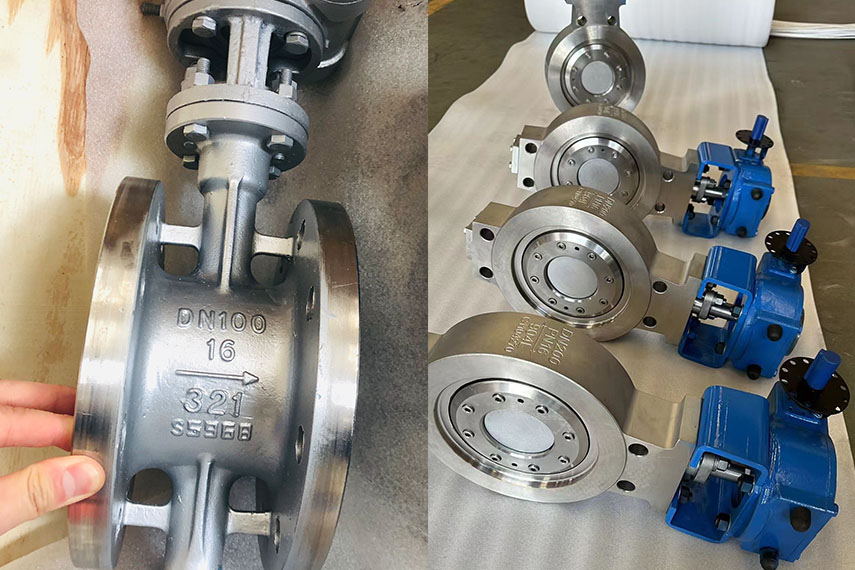
| 321 | 17-19 | 9-12 | ≤0.75 | 0.3-0.7 | ~200 | Up to 870°C | Thermal fatigue resistance |
| 347 | 17-19 | 9-13 | ≤0.75 | Nb stabilizer | ~200 | Up to 870°C | Heat exchangers, oil & gas |
❄️ Low-Temperature Valve Materials
Cryogenic and sub-zero applications (down to -196°C / -320°F) require materials with high impact toughness and resistance to brittle fracture.
✅ Carbon Steel Grades for Low-Temperature Service
| Grade | Cr (%) | Ni (%) | Mo (%) | Ti (%) | Charpy Impact Toughness | Temp Range | Common Use |
|---|---|---|---|---|---|---|---|
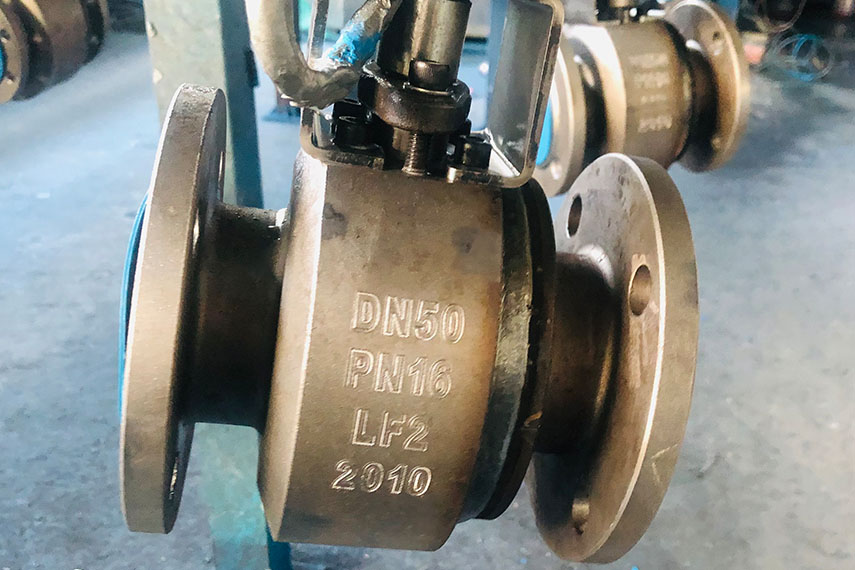
| A350 LF2 | ≤0.3 | ≤0.6 | ≤0.12 | - | ≥27J @ -46°C | Down to -50°C | LNG, gas, CO₂ |
| A333 Gr.6 | ≤0.3 | ≤0.4 | ≤0.12 | - | ≥20J @ -45°C | Down to -50°C | Cold water, hydrocarbons |
| A352 LCB/LCB | ≤0.3 | ≤0.4 | ≤0.2 | - | ≥27J @ -46°C | Down to -46°C | Liquid ammonia, refrigerants |
✅ Stainless Steel Grades for Cryogenic Service
| Grade | Cr (%) | Ni (%) | Mo (%) | Ti (%) | Toughness (Charpy) | Temp Range | Common Use |
|---|---|---|---|---|---|---|---|
| 304 / 304L | 18-20 | 8-12 | ≤0.75 | - | Excellent @ -196°C | -196°C to 870°C | Oxygen, LNG, nitrogen |
| 316 / 316L | 16-18 | 10-14 | 2-3 | - | Excellent @ -196°C | -196°C to 870°C | Seawater, cryogenic fuels |
| 904L | 19-23 | 23-28 | 4-5 | - | Good | -100°C to 400°C | Acidic or chloride-rich fluids |
| Duplex 2205 | 21-23 | 4.5-6.5 | 2.5-3.5 | - | Good at subzero | Down to -45°C | Cryogenic brine, chloride gas |
🧪 Material Selection by Medium
| Medium | Recommended Material |
|---|---|
| Steam / Superheated Steam | A217 WC6, 321 SS, 347 SS |
| Thermal Oil | 316H, 304H, WC9 |
| LNG / Nitrogen | 316L, 304L, A350 LF2 |
| Ammonia / CO₂ | A352 LCB, 316L |
| Chloride / Seawater | 904L, Duplex 2205 |
⚠️ Final Tips for Selecting Valve Materials
-
Check ASME B16.34 or API 600 standards for temperature-pressure limits.
-
Use low carbon variants (L grades) for better weldability and cryogenic stability.
-
For corrosive and high-temperature combinations, consider alloyed stainless steels like Inconel, Hastelloy, or Monel.
-
Consult with valve manufacturers to verify material traceability and impact test reports.