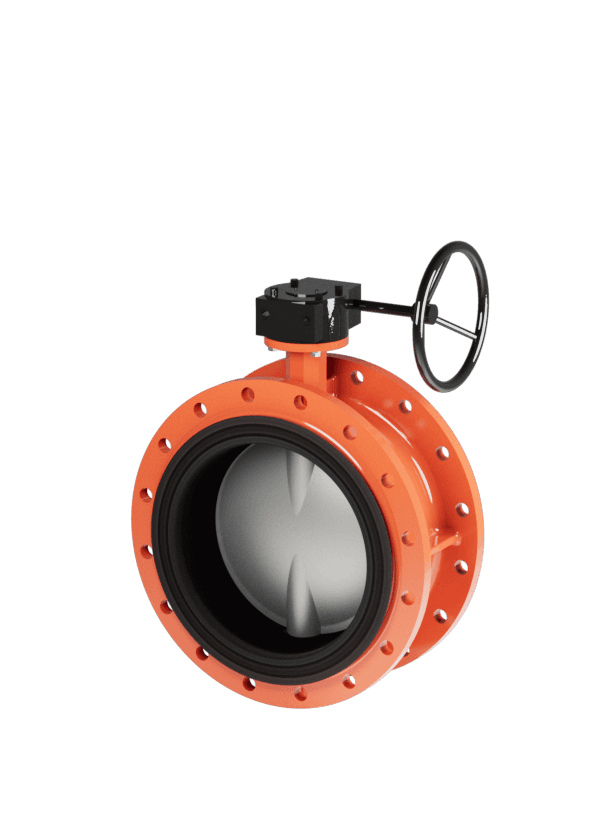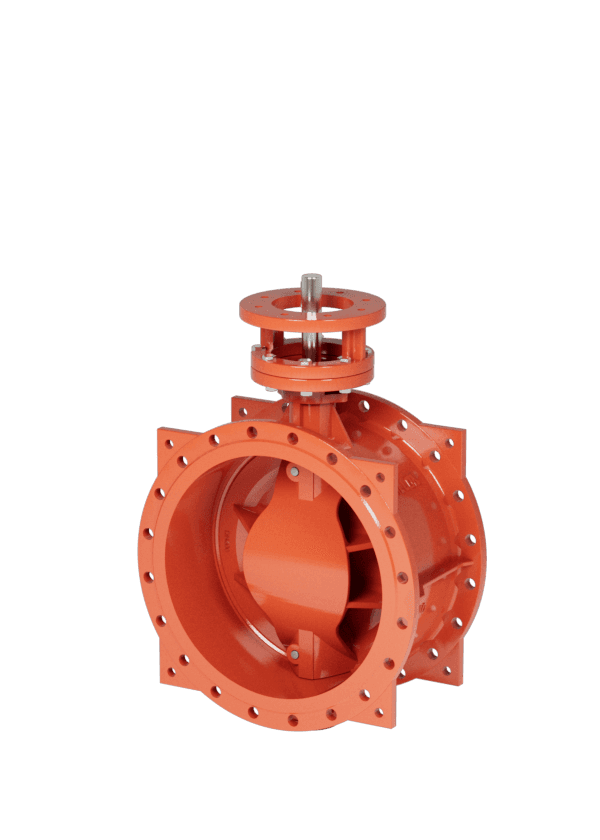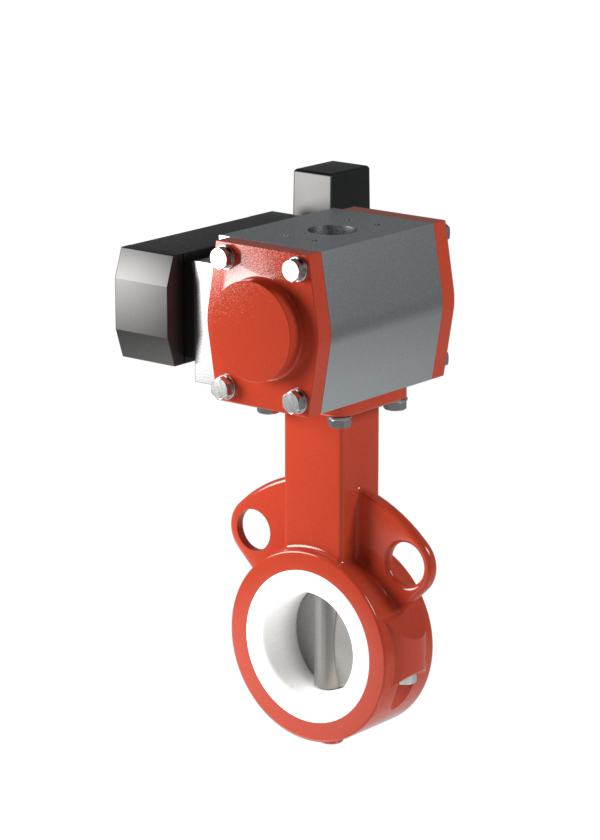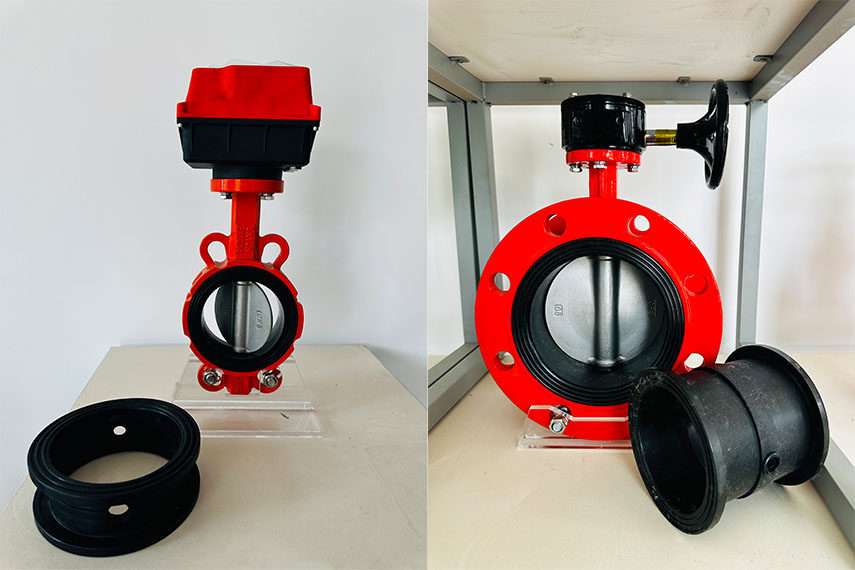
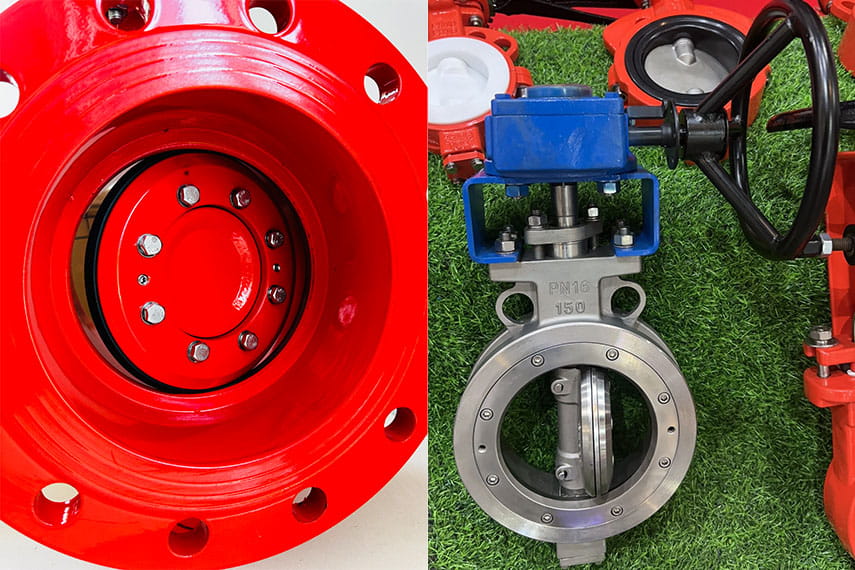
Research: Soft Seated vs Metal Seated Butterfly Valve
When choosing a butterfly valve, one of the most important decisions is whether to select a soft-seated (resilient seat) or a hard-seated (metal seat) design. Both have unique characteristics that make them suitable for different pressure, temperature, and media conditions.
🔧 Working Principle of Butterfly Valves
All butterfly valves operate on the same quarter-turn principle. A disc mounted on a shaft rotates 90° to open or close the flow of media. The seal between the disc and valve body determines whether the valve is classified as soft-seated or metal-seated.
🆚 Soft Seated vs Metal Seated Butterfly Valves: Key Differences
| Feature | Soft-Seated Butterfly Valve | Metal-Seated Butterfly Valve |
|---|---|---|
| Sealing Material | EPDM, NBR, PTFE, Viton | Stainless steel, Stellite, Inconel |
| Leakage Class | Bubble-tight shutoff (Class VI) | Class IV–V (depends on design) |
| Temperature Range | Typically -20°C to +120°C (PTFE up to 200°C) | Up to 600°C or higher |
| Pressure Rating | Up to PN16 / 150LB | Suitable for PN25–PN100+ |
| Corrosion Resistance | Good with compatible elastomers | Excellent with proper metal alloys |
| Wear Resistance | Moderate (elastomer may wear over time) | High; long-lasting in abrasive media |
| Cost | Lower initial cost | Higher cost due to material and machining |
| Maintenance | Easy; seats are replaceable | More complex; metal seats may need lapping |
✅ Suitable Applications
🌡️ Soft Seated Butterfly Valves Are Ideal For:
-
Low to medium pressure systems
-
Water, air, non-corrosive fluids
-
HVAC, water treatment, general industry
-
Tight shut-off at low cost
-
Not suitable for abrasive or high-temp media
-
🔍 Keywords: EPDM butterfly valve, PTFE lined butterfly valve, resilient seated valve for water, low pressure valve with soft seal
🔥 Metal Seated Butterfly Valves Are Best For:
-
High temperature (steam, thermal oil, exhaust gases)
-
Abrasive or corrosive media (slurries, chemicals, gas)
-
Power plants, petrochemical, steel, cement, mining
-
When leakage Class IV or V is acceptable
⚙️ Selection Tips
| Consideration | Recommendation |
|---|---|
| Temperature above 200°C? | Choose metal seat |
| Media is clean water or air? | Soft seat is more economical |
| Requires bubble-tight shutoff? | Soft seat (Class VI) |
| Contains solids, slurry, or gas? | Metal seat with hardened disc/seat |
| Frequent open/close cycles? | Both can perform well — look for high cycle-tested designs |
| Automation required? | Ensure ISO 5211 mount and actuator compatibility |