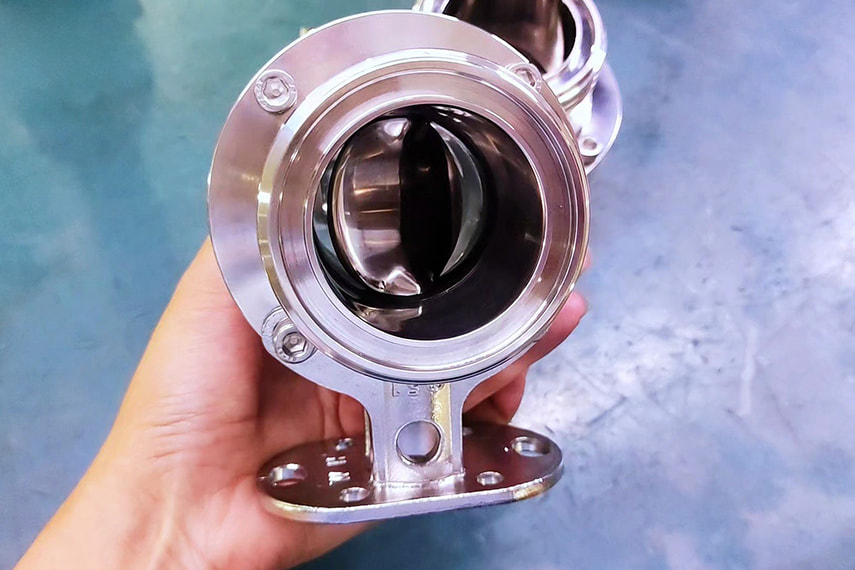
Research: What is Valve Degreasing Treatment?
*Valve degreasing treatment -- an essential process in the manufacturing and maintenance of valves, especially for industries where precision and cleanliness are crucial, such as the food, pharmaceutical, and chemical sectors. The process involves removing oils, greases, and other contaminants from valve components to ensure optimal performance, prevent malfunctions, and maintain product quality.*Why is Valve Degreasing Important?
Valves are critical components in fluid and gas control systems, and any contamination or residue left on the valves can lead to system failures or poor performance. Oil, grease, and other contaminants can impair the sealing ability, hinder smooth operation, and reduce the lifespan of the valve. Therefore, performing a thorough degreasing treatment is vital to ensure that the valve functions correctly and meets industry standards.*The Process of Valve Degreasing
1. Cleaning with Solvents
A variety of solvents can be used for degreasing, such as acetone, isopropyl alcohol, or specialized degreasing solutions. These solvents effectively break down and remove oil, grease, and other contaminants from the valve surfaces.
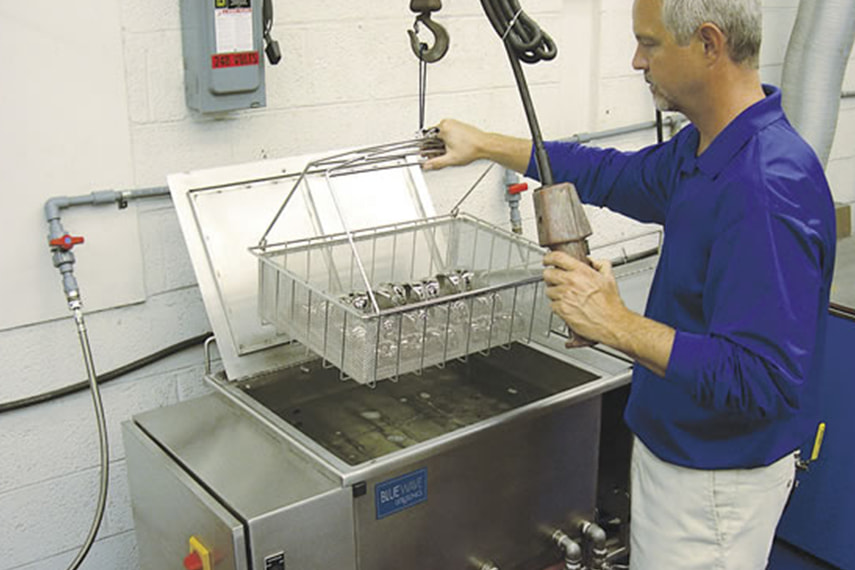
2. Ultrasonic Cleaning
In some cases, ultrasonic cleaning may be employed. This technique uses high-frequency sound waves to generate microscopic bubbles that help dislodge particles from the valve components, ensuring an even and thorough cleaning process.
3. Rinsing and Drying
After the degreasing process, the valve components are rinsed with clean water or solvents to remove any remaining cleaning agents. The components are then dried using air or heated equipment to prevent moisture from affecting the valve’s functionality.
4. Inspection
Finally, after cleaning and drying, the valve components are inspected to ensure that all contaminants have been removed and that the valve is ready for assembly or installation.*Benefits of Valve Degreasing Treatment
Improved Performance: By removing oils and greases, valve degreasing ensures smooth operation, reducing friction and preventing malfunctions.
Enhanced Sealing: Clean valve components form better seals, which is essential for preventing leaks in high-pressure or high-temperature systems.
Extended Valve Life: Degreasing reduces wear and tear on the valve, contributing to its longevity and reducing the frequency of repairs or replacements.
Compliance with Industry Standards: Many industries, including pharmaceuticals and food processing, require that valves be thoroughly degreased to meet strict hygiene and safety standards.
Prevention of Contamination: Removing contaminants from the valve ensures that no harmful residues are introduced into the system, which could compromise the quality of the fluids or gases being controlled.*Common Applications of Valve Degreasing
1. Pharmaceutical Industry: Ensuring that valves in pharmaceutical production systems are free of contaminants, maintaining strict hygiene standards.
2. Food Processing: Removing oils and residues from valves used in food production systems to prevent contamination and maintain product quality.
3. Chemical and Petrochemical Industries: Degreasing valves to prevent contamination of chemicals and to maintain system integrity in highly sensitive applications.
4. HVAC Systems: Clean valves are crucial in HVAC systems to ensure efficient operation and prevent contamination of the air or fluid circulating through the system.