Research: What Actuation Methods Are Used for Butterfly Valves?
What Actuation Methods Are Used for Butterfly Valves?
Butterfly valves are widely used in industries such as water treatment, HVAC, chemical processing, and oil & gas for their compact design and cost-efficiency. But how are butterfly valves operated? The answer lies in the actuation method — the mechanism that opens, closes, or modulates the valve disc.
Understanding the various butterfly valve actuator types is essential for proper valve selection, system automation, and long-term performance.
What Is Valve Actuation?
Actuation refers to the process of moving the valve disc between open and closed positions — typically a 90-degree rotation, which is why butterfly valves are classified as quarter-turn valves.
The right actuator type depends on:
- Torque requirements
- Operating frequency
- System pressure
- Need for manual, automatic, or remote control
Common Actuation Methods for Butterfly Valves
1. Manual Actuator (Lever or Gear Operated)
Manual butterfly valves are operated by hand using a lever handle or gear operator.
- Best for low-pressure, low-cycle applications
- Simple and cost-effective
- Lockable handles for isolation
- Gearboxes provide torque multiplication for larger sizes
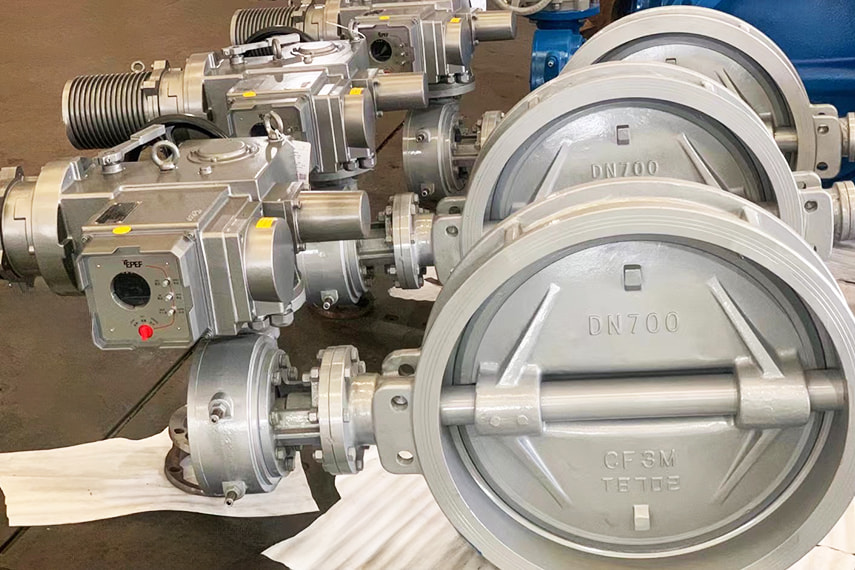
2. Electric Actuator
Electric butterfly valves use a motor to automate valve operation.
- Ideal for remote control or automated systems
- Available in on/off or modulating (positioning) types
- Integration with PLC, DCS, or smart control systems
- Often mounted on an ISO 5211 pad
Typical applications: HVAC systems, water treatment plants, and process automation.
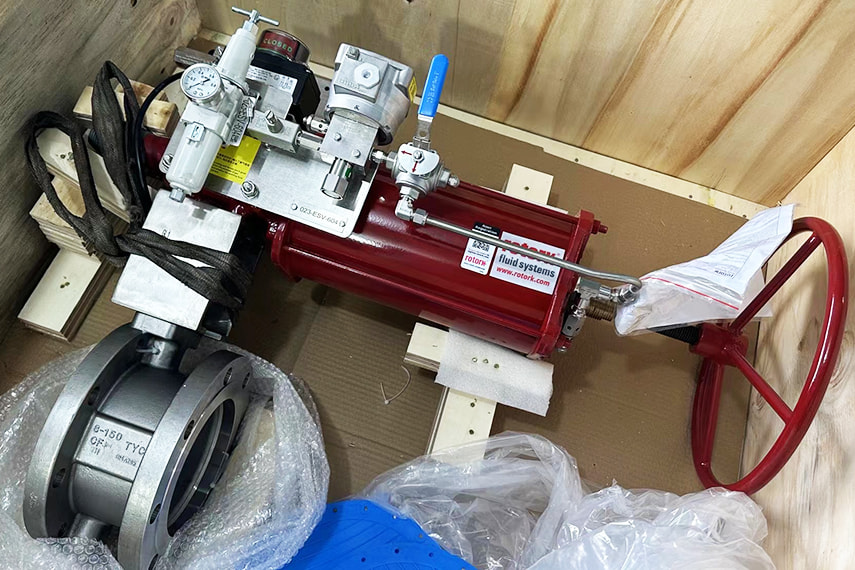
3. Pneumatic Actuator
Pneumatically actuated butterfly valves use compressed air to rotate the valve disc.
- Available as double-acting (air to open & close) or spring-return (fail-safe)
- Fast, reliable operation
- Widely used in industrial automation and hazardous environments
Often combined with:
- Solenoid valves
- Limit switches
- Positioners for modulating control
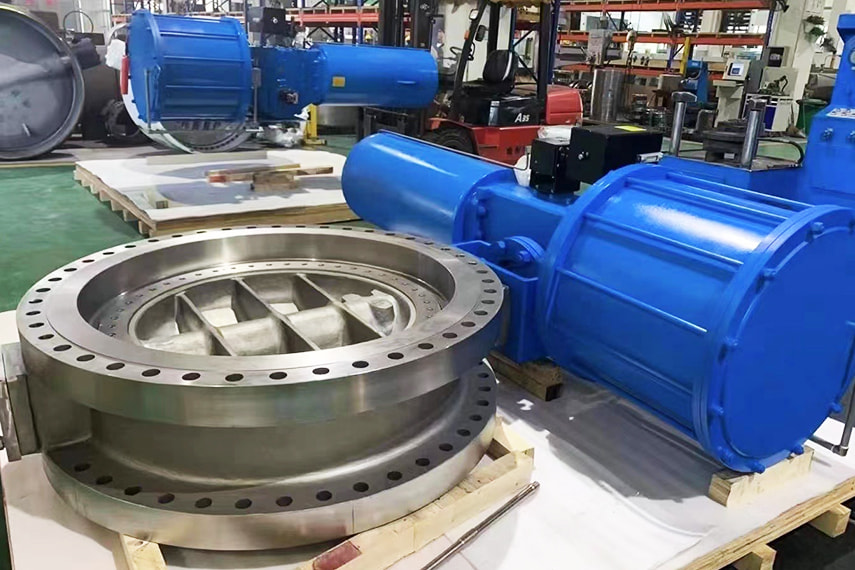
4. Hydraulic Actuator
Hydraulic actuators use pressurized fluid to produce high torque.
- Suitable for large-diameter valves or high-pressure pipelines
- Excellent for offshore, power plant, and heavy industrial use
- Available in fail-safe spring return or double acting types
Modulating vs On/Off Control
On/Off actuators fully open or close the valve
Modulating actuators adjust the disc to precise angles (e.g., 30%, 60%) for flow control
Seallon SB971 Series, for example, supports modulating electric and SB671 Series pneumatic actuators for intelligent flow management.
ISO 5211 Mounting Interface
- Interchangeability across brands
- Simple mounting without modification
- Compatibility with manual, electric, pneumatic, and hydraulic actuators