Research: Valve Maintenance Process
1.Identify the Source of Leakage
Before starting any repair work, first determine the exact source of the leak. Leakage in a valve may occur at the sealing surfaces, valve stem, or flange connections.2.Shut Off the Valve and Drain the Pipeline
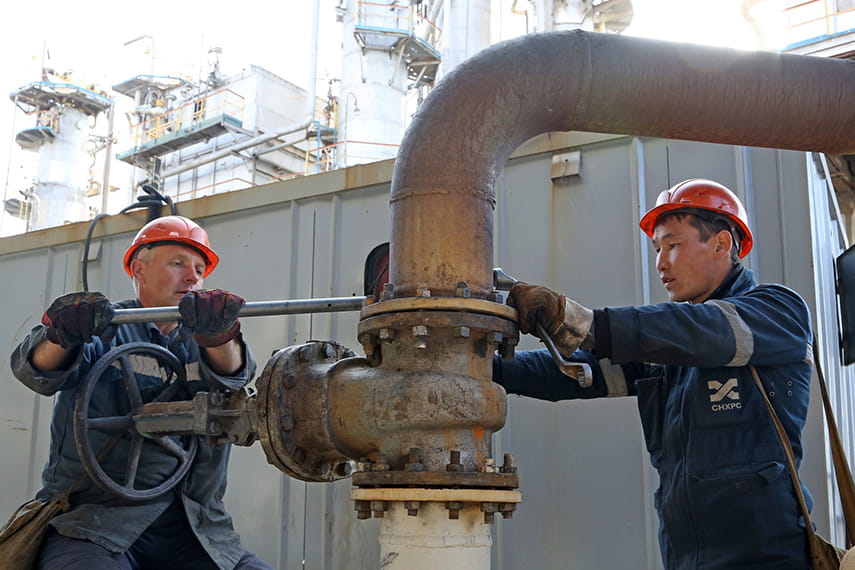
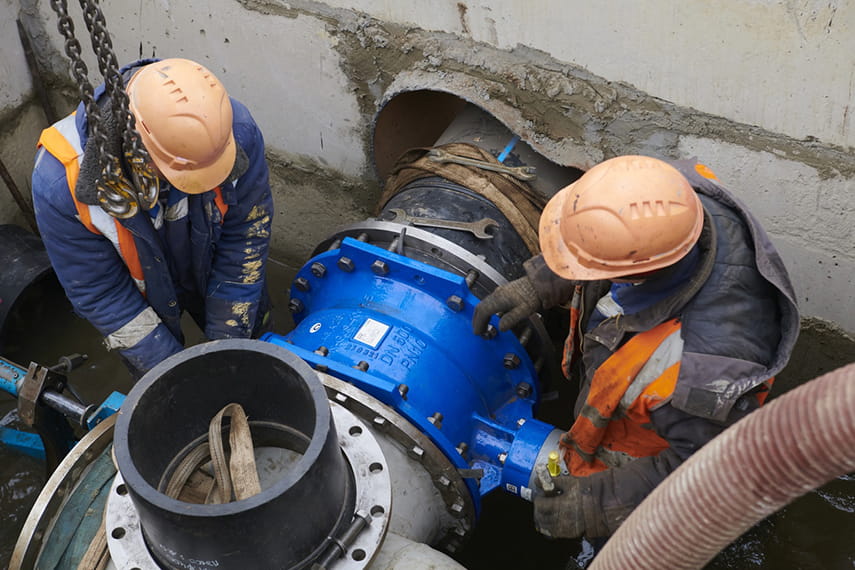
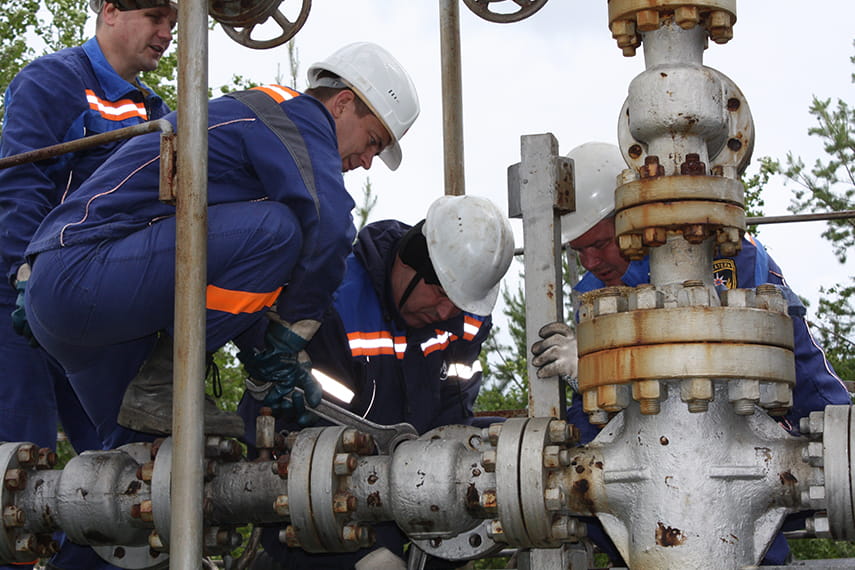
Close the valve and ensure that the water in the pipeline is completely drained. This provides a dry working environment for maintenance.3.Disassemble and Inspect the Valve
Use appropriate tools to disassemble the valve and carefully inspect each component. Pay particular attention to the valve's sealing rings and gaskets, as these parts are often the culprits of leakage.4.Replace Damaged Parts
If you find any damage to the sealing rings or gaskets, replace them immediately. Ensure that the replacements match the original manufacturer's specifications to maintain repair quality and valve performance.5.Reassemble and Test
After replacing the damaged parts, reassemble the valve and conduct a test. Make sure all connections are properly tightened and that there are no leaks.6.Regular Maintenance
To prevent future leakage issues, it is recommended to perform regular maintenance and inspections of the valve. This includes cleaning the valve, checking the sealing performance, and lubricating the valve stem.
By following these steps, you can effectively address leakage issues in industrial valves and ensure their long-term stable operation.