
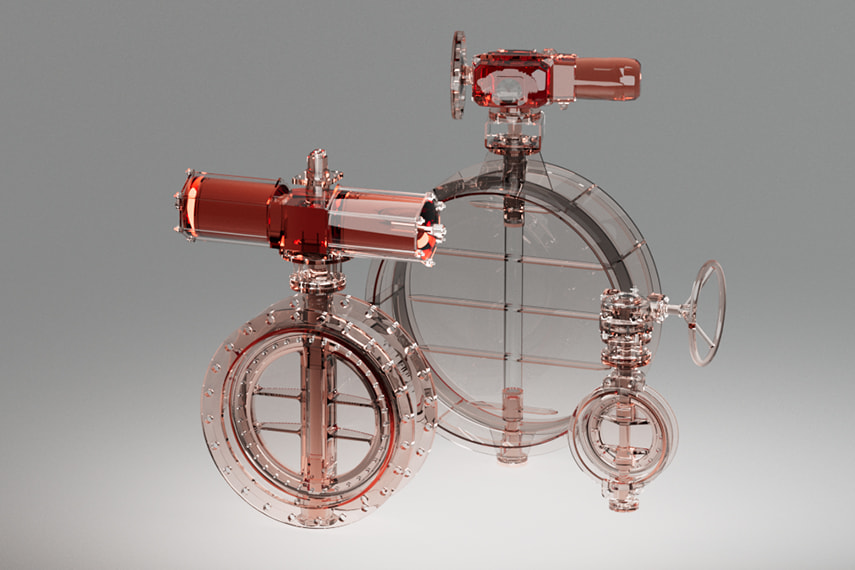
Research: Differences among Concentric, Double offset, Triple offset butterfly valves and their features, applications.
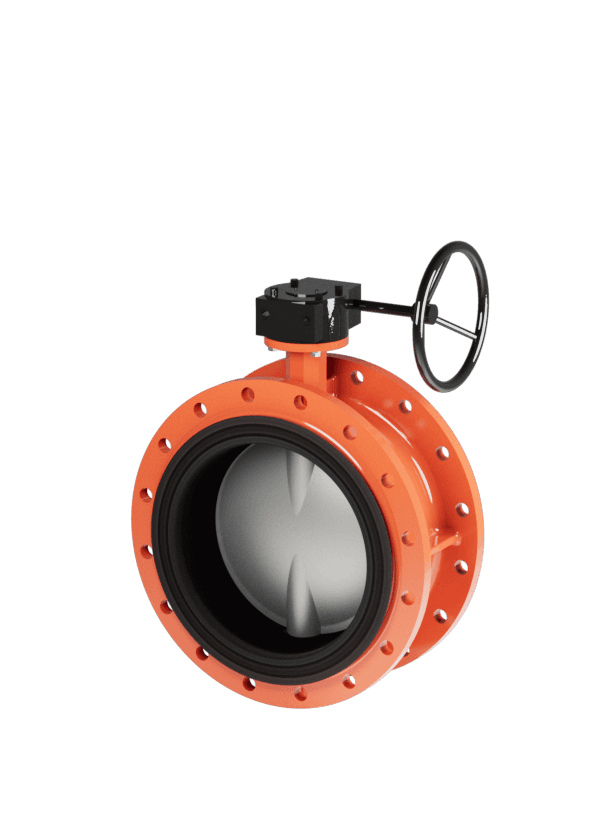
1. Concentric Butterfly Valve
The concentric butterfly valve is a commonly used valve primarily for regulating and controlling fluid flow. Its structural feature is that the valve disc is located on the centerline of the valve body, rotating around a central axis during opening and closing. The advantages of centerline butterfly valves include:
a.Simple Structure: Compared to other types of valves, the design of centerline butterfly valves is simpler, facilitating installation and maintenance.
b.Low Flow Resistance: Since the disc rotates within the fluid, flow resistance is minimal, making it suitable for high flow applications.
c.Lightweight: Typically made from cast iron or other lightweight materials, reducing overall weight.
d.Ease of Operation: Can be operated manually or automatically, adaptable to various situations.
Concentric butterfly valves are widely used in water treatment, chemical processing, heating, and other fluid control areas.
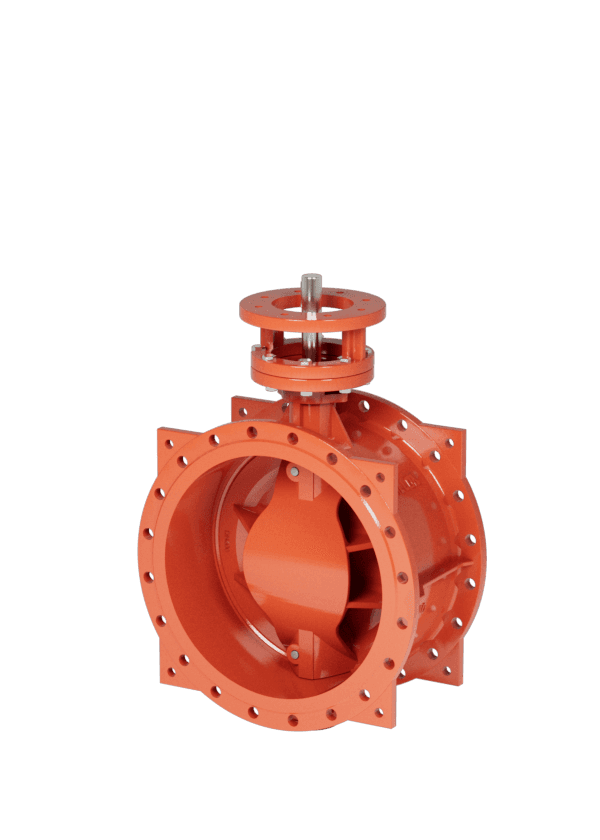
2. Double Offset Butterfly Valve
The double offset butterfly valve features two eccentricities:
a.Disc Center Eccentricity: The axis of rotation of the disc is offset from the center of the valve body, preventing direct contact between the disc and the seat when opening.
b.Seat Eccentricity: The center of the seat is also offset from the axis of rotation, allowing the disc to better conform to the seat when closing, enhancing sealing performance.
c. Reduced Wear: The design significantly minimizes wear on the seat and enhances sealing performance.
d. Stable Operation: Functions effectively under high pressure and low flow conditions.
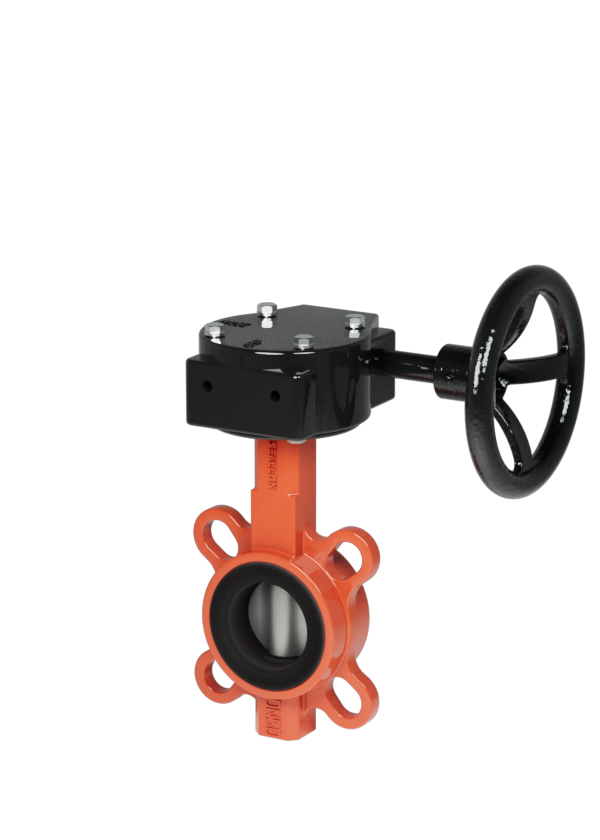
3.Triple Offset Butterfly Valve
The three eccentricities of triple offset Butterfly Valves
First Eccentricity: The axis of rotation of the disc is located outside the centerline of the valve body. This design allows for reduced contact between the disc and the seat when the valve is opened.
Second Eccentricity: The axis of the disc deviates from the contact point on the seat. This offset enables the disc to better conform to the seat during closure, enhancing sealing performance.
Third Eccentricity: The sealing surface of the disc is offset relative to the centerline of the valve body. This configuration minimizes friction during the opening and closing processes, thereby extending the lifespan of the valve.
These three eccentricities collectively improve the operational efficiency, sealing capabilities, and durability of triple eccentric butterfly valves.
The triple offset butterfly valve is a specially designed valve commonly used for fluid control. Its key feature is that the axis of rotation of the disc does not coincide with the center of the valve body and the disc itself. This design reduces friction between the sealing surfaces, enhances sealing performance, and extends the lifespan of the valve.
Main Characteristics of Triple Eccentric Butterfly Valves:
a.Triple Eccentric Design: The eccentric design of the disc allows for smoother movement during opening and closing, which reduces wear on the sealing surfaces.
b.Excellent Sealing Performance: Thanks to the eccentric design, the disc can tightly conform to the seat when closed, effectively preventing leaks.
c.Wide Applicability: Suitable for various fluid media, including water, oil, gas, and corrosive substances, making it widely used in industries such as oil, chemical, and power.
d.Easy Operation: Can be operated manually, pneumatically, or electrically, providing convenience and efficiency.
e.Compact Structure: Typically occupies less space compared to other valve types, facilitating easy installation.
f.Conclusion: Due to their excellent performance and adaptability, triple eccentric butterfly valves are a vital choice for fluid control in many industrial sectors.