Research: Can Butterfly Valves Handle High Temperature or Corrosive Media?
🔥 Can Butterfly Valves Withstand High Temperatures?
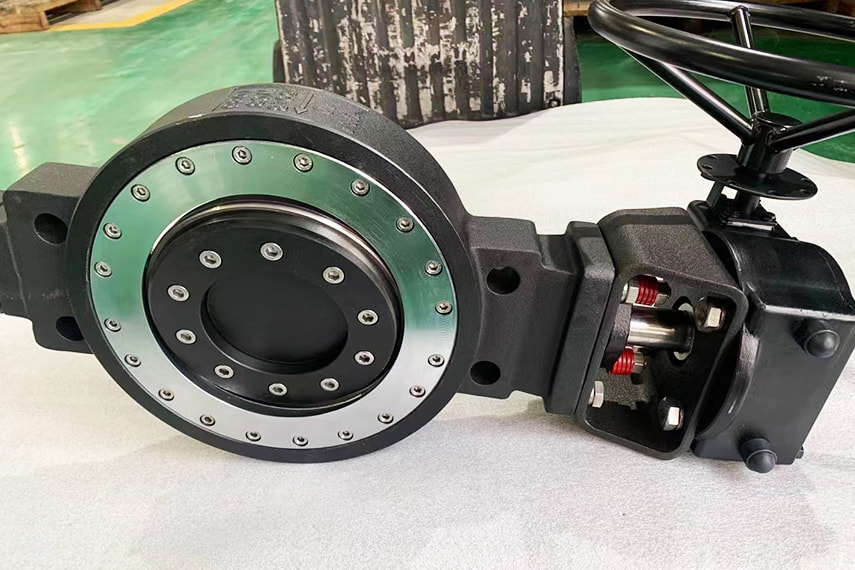
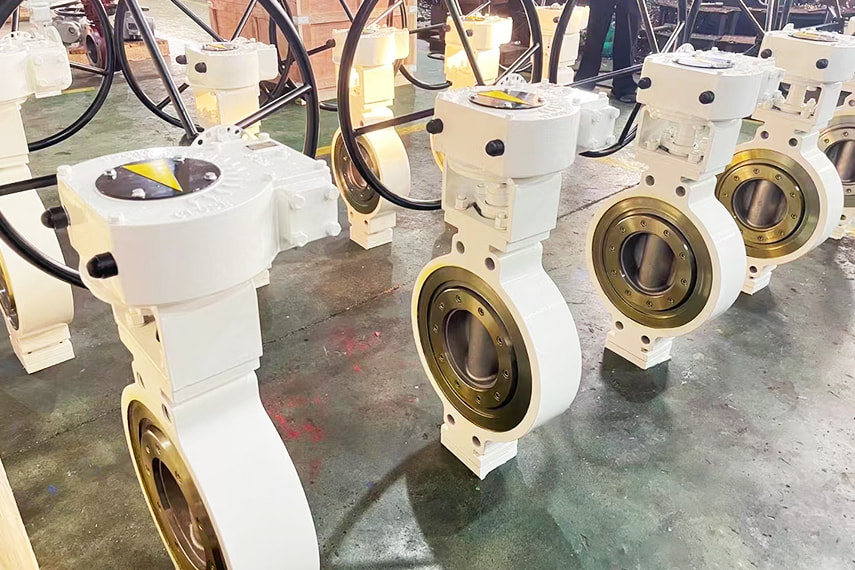
Butterfly valves can be engineered to handle temperatures up to 1000°F (538°C) — especially when made from high-temperature alloys and designed with metal seats instead of soft elastomers.
✅ Key factors for high-temperature applications:
Body material: Choose carbon steel, stainless steel, or Inconel for thermal stability.
Seat material: Use metal-seated butterfly valves (e.g., stainless steel, Stellite) instead of PTFE or EPDM.
Disc material: Must match or exceed thermal rating — common choices include 316SS, Alloy 20, or Monel.
Valve design: Prefer triple offset butterfly valves for high-temperature sealing reliability.
🛠️ Common high-temp uses:
Superheated steam lines
Hot oil systems
Gas turbines
Thermal oxidizers
Furnace dampers
🧪 Can Butterfly Valves Handle Corrosive Media?
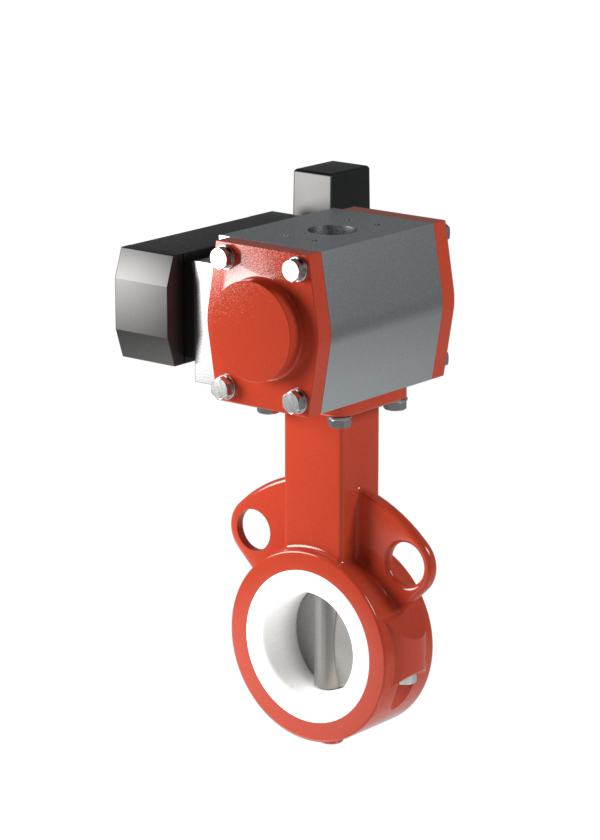
Yes, provided they are constructed with corrosion-resistant materials and appropriate liner and seat combinations.
✅ Key factors for corrosive media:
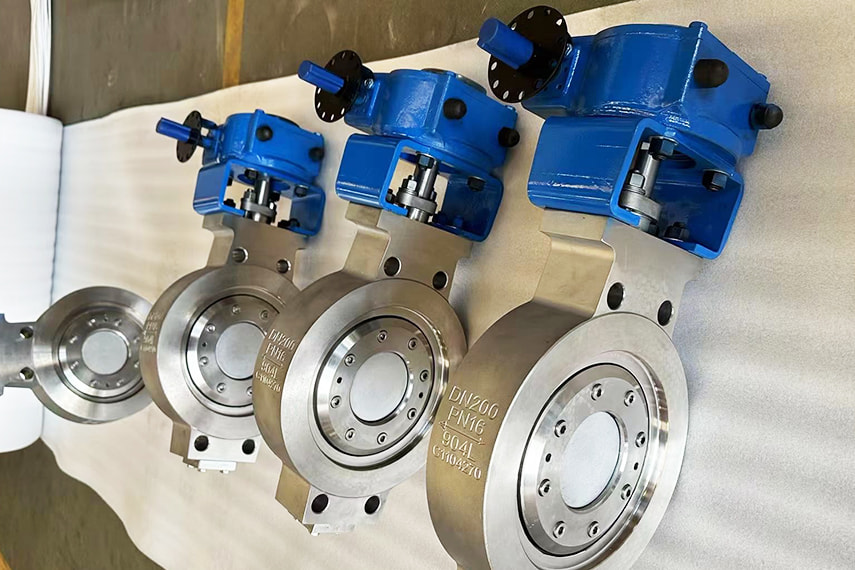
Disc and body material: Use 316 stainless steel, Duplex steel, Hastelloy, Titanium, or PVC/CPVC.
Liner/seating material: Choose PTFE, FEP, Viton, or EPDM depending on the chemical type and concentration.
Valve coating: Epoxy-coated ductile iron or rubber-lined valves enhance durability.
Isolation needs: For aggressive acids and alkalis, a fully-lined butterfly valve is essential.
⚗️ Typical corrosive media:
Sulfuric acid (H₂SO₄)
Sodium hypochlorite (NaClO)
Hydrochloric acid (HCl)
Seawater or brine
Caustic soda (NaOH)
📋 Quick Selection Guide
Media Type Recommended Valve Type Key Materials Superheated Steam Metal-seated, triple-offset SS316, Inconel, Graphite seat Corrosive Acids Fully-lined or PTFE-seated valve PTFE liner, 316SS or Alloy 20 disc Hot Oil Double-offset metal seated valve CS body, SS316 disc, Graphite seal Chlorinated Water Rubber-lined or EPDM-seated valve DI body, 316SS disc, EPDM liner Seawater Duplex SS or Monel construction Monel or Bronze disc and stem