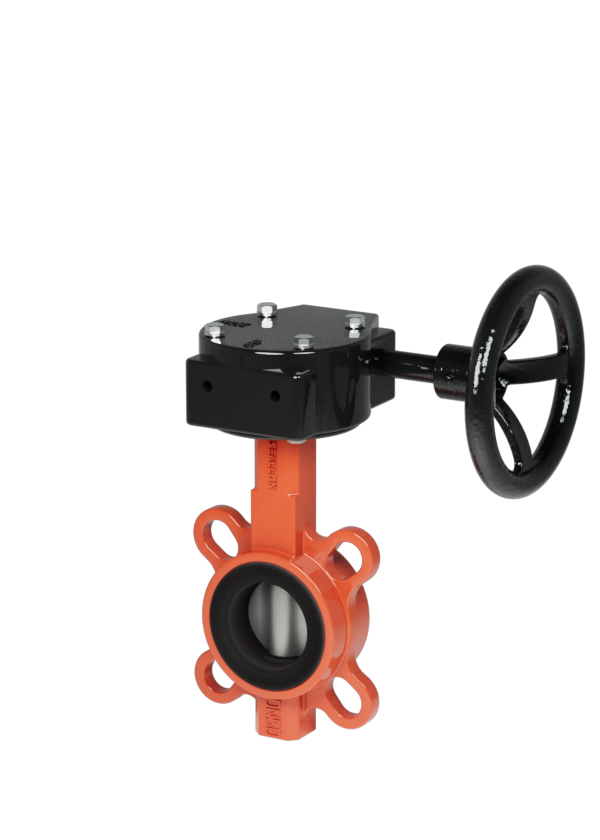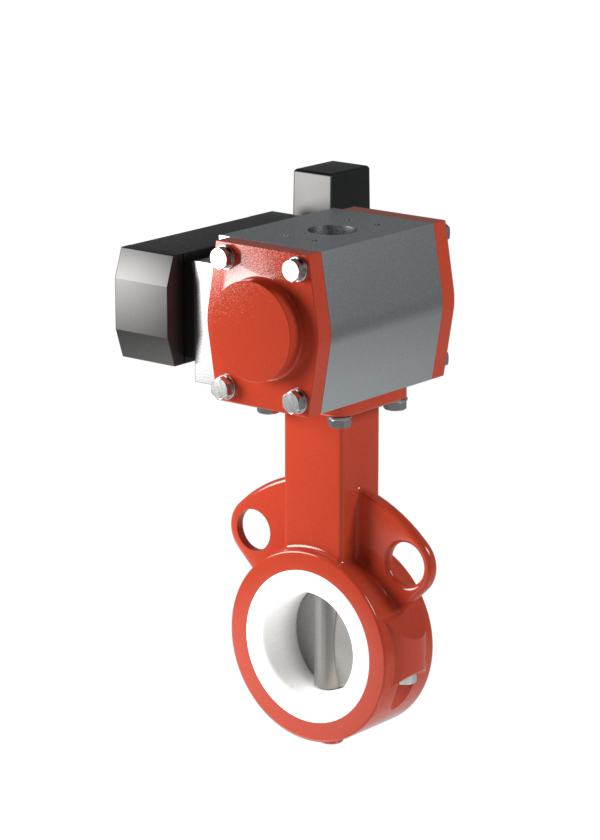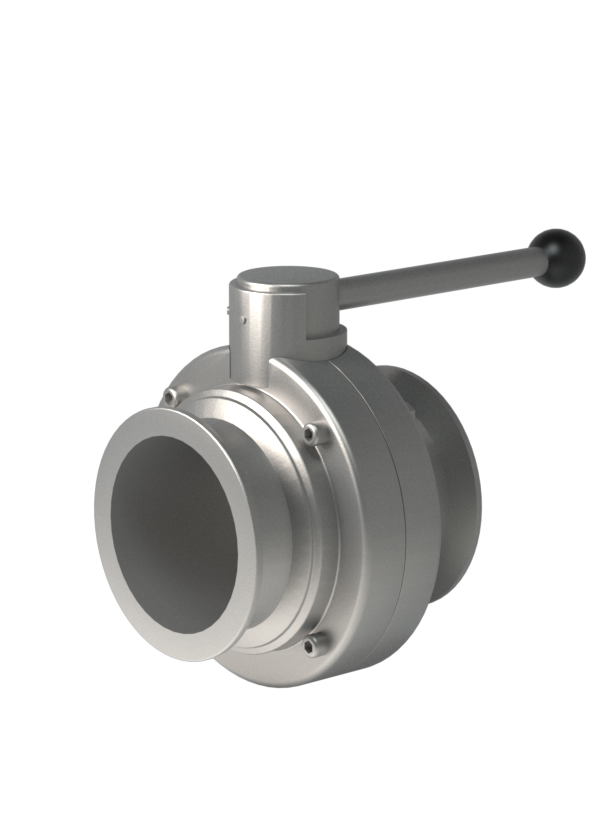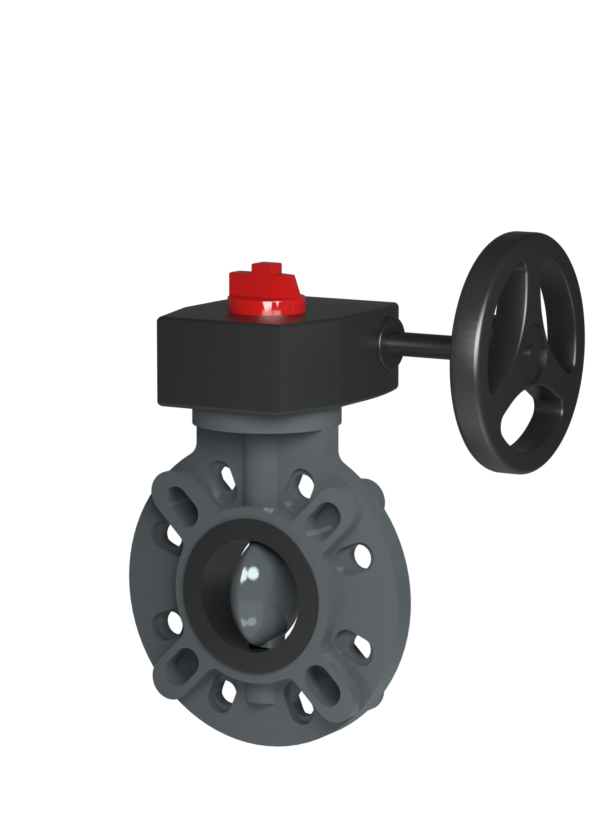
Research: Features and application of Butterfly Valves
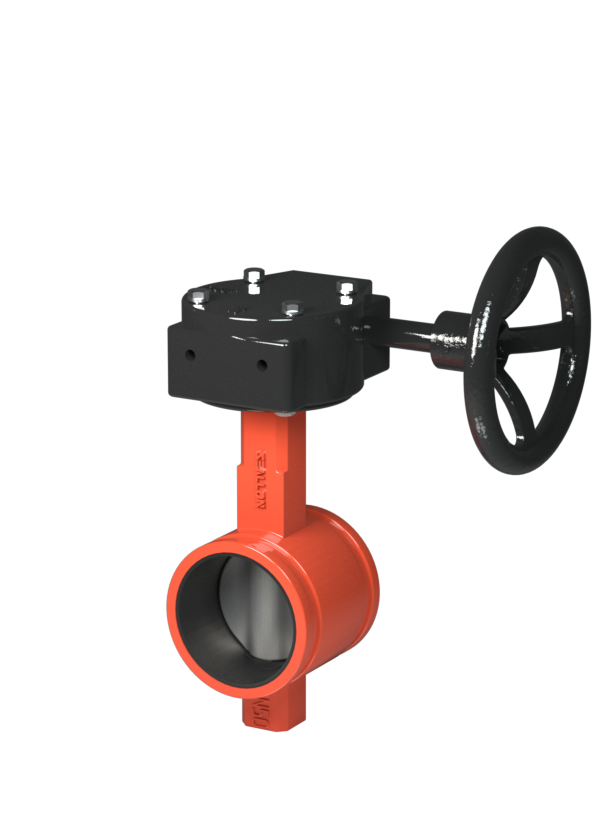
The butterfly valve is a valve that uses a disc-type opening and closing member to reciprocate about 90° to open, close or adjust the flow of the medium. The butterfly valve is not only simple in structure, small in size, light in weight, low in material consumption, small in installation size, small in driving torque, easy and quick to operate, but also has good flow regulation function and closing sealing characteristics at the same time. It is one of the fastest-growing valve varieties in the past decade. The use of butterfly valves is very extensive. The variety and quantity of its use are still continuing to expand, and it is developing towards high temperature, high pressure, large diameter, high sealing, long life, excellent adjustment characteristics, and one valve with multiple functions. Its reliability and other performance indicators have reached a high level.
With the application of chemically resistant synthetic rubber on butterfly valves, the performance of butterfly valves has been improved. Because synthetic rubber has the characteristics of corrosion resistance, erosion resistance, dimensional stability, good resilience, easy forming, low cost, etc., synthetic rubber with different performance can be selected according to different use requirements to meet the use conditions of butterfly valves.
Since polytetrafluoroethylene (PTFE) has strong corrosion resistance, stable performance, not easy to age, low friction coefficient, easy to form, stable size, and can be filled and added with appropriate materials to improve its comprehensive performance, a butterfly valve sealing material with good strength and lower friction coefficient can be obtained, overcoming the limitations of synthetic rubber. Therefore, high molecular polymer materials represented by polytetrafluoroethylene and its filling and modified materials have been widely used in butterfly valves, thereby further improving the performance of butterfly valves and manufacturing butterfly valves with a wider temperature and pressure range, reliable sealing performance and longer service life. In order to meet the use requirements of industrial applications such as high and low temperatures, strong erosion, and long life, metal-sealed butterfly valves have been greatly developed. With the application of high-temperature resistant, low-temperature resistant, strong corrosion resistant, strong erosion resistant, and high-strength alloy materials in butterfly valves, metal-sealed butterfly valves have been widely used in industrial fields such as high and low temperatures, strong erosion, and long life. Butterfly valves with large diameters (9~750mm), high pressures (42.0MPa), and wide temperature ranges (-196~606℃) have appeared, bringing the technology of butterfly valves to a new level. When the butterfly valve is fully opened, it has a small flow resistance. When it is opened between about 15° and 70°, it can perform sensitive flow control. Therefore, butterfly valves are widely used in large-diameter regulation fields. Since the movement of the butterfly valve disc is wiping, most butterfly valves can be used for media with suspended solid particles. Depending on the strength of the seal, it can also be used for powdered and granular media. Butterfly valves are suitable for flow regulation. Since the pressure loss of the butterfly valve in the pipe is relatively large, about three times that of the gate valve, when selecting a butterfly valve, the influence of the pressure loss on the pipeline system should be fully considered, and the strength of the butterfly plate to withstand the pressure of the pipeline medium when closed should also be considered. In addition, the operating temperature limit of the elastic valve seat material at high temperature must also be considered.
The structural length and overall height of the butterfly valve are small, the opening and closing speeds are fast, and it has good fluid control characteristics. The structural principle of the butterfly valve is suitable for making large-diameter valves. When the butterfly valve is required to control the flow, it is important to correctly select the specifications and types of the butterfly valve so that it can work properly and effectively.
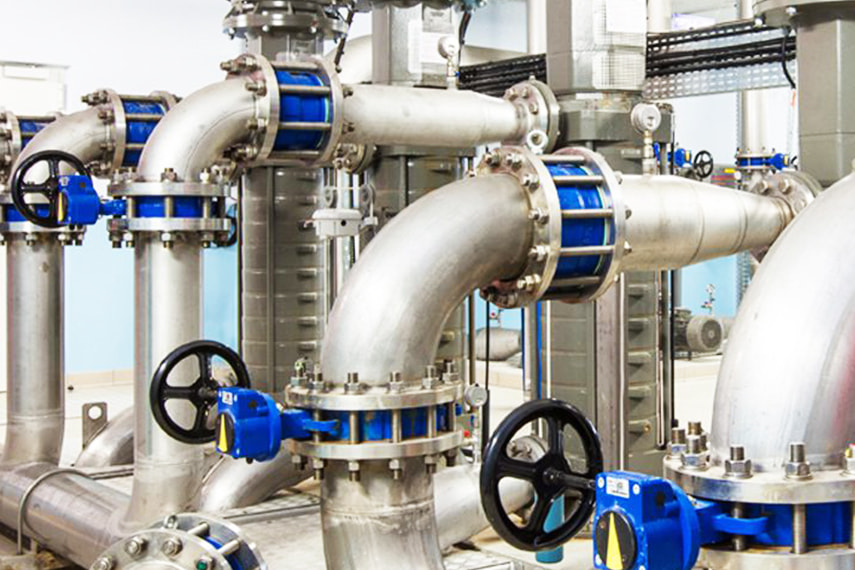
Generally, in throttling, regulating control and mud media, short structure length, fast opening and closing speed, low pressure cut-off (small pressure difference) are required, and butterfly valves are recommended. Butterfly valves can be used in double-position regulation, reduced-diameter channels, low noise, cavitation and vaporization, small leakage to the atmosphere, and abrasive media. Throttling regulation under special working conditions, or strict sealing, severe wear, low temperature (deep cold) and other working conditions are required.