Research: How to Maintain Butterfly Valves?
Butterfly valves are widely used in industries like water treatment, HVAC, chemical processing, and oil & gas due to their compact design, low cost, and reliable flow control. But like any mechanical device, regular maintenance is essential to extend service life, ensure leak-free operation, and maintain system efficiency.
Here’s your complete guide to butterfly valve maintenance, featuring best practices, high-traffic search topics, and expert tips.
🧰 Why Maintain Butterfly Valves?
Proper butterfly valve maintenance prevents:
Leakage at the valve seat or stem
Disc or body corrosion
Sticking or hard turning
Actuator failure or misalignment
Reduced flow efficiency
Routine inspection and servicing ensure optimal performance of quarter-turn valves across all pipeline systems.
🔍 Step-by-Step Butterfly Valve Maintenance Checklist
1. Visual Inspection (Monthly or Quarterly)
Check for external leaks around body, seat, and actuator mount
Inspect for corrosion, cracks, or erosion on the disc and body
Confirm flow direction matches valve markings
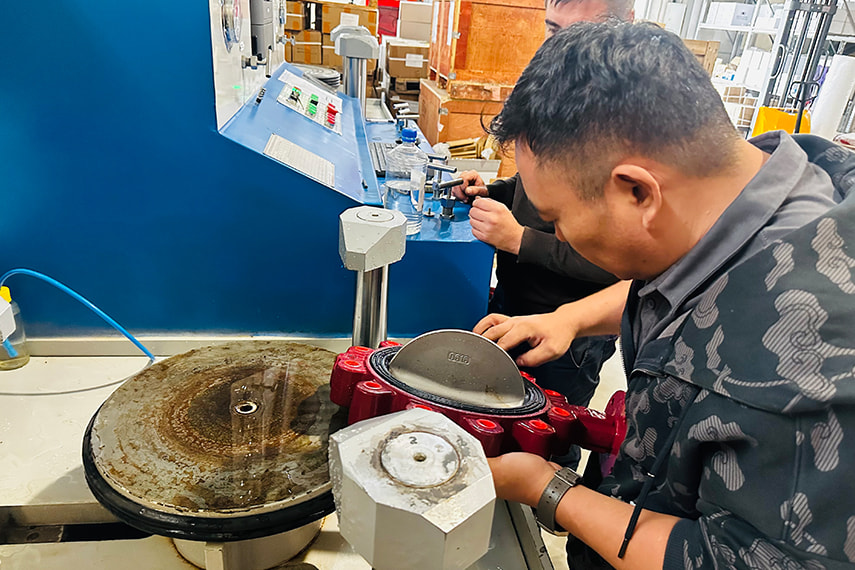
2. Seat and Seal Condition
Examine elastomeric (EPDM/NBR) or PTFE seats for wear, swelling, or pitting
Remove debris from seating surfaces
For metal-seated butterfly valves (e.g., triple offset), check for galling or deformation
3. Disc and Stem Cleaning
Clean the disc edge and shaft area using a non-abrasive cloth
Check for deposits or buildup that may affect sealing
Rotate the valve fully open and closed to confirm smooth movement
4. Lubrication of Stem and Bearings
Use manufacturer-recommended lubricants for metal-to-metal contact points
Do not over-lubricate, especially for sealed bearing designs
Avoid oil-based products on rubber seat valves
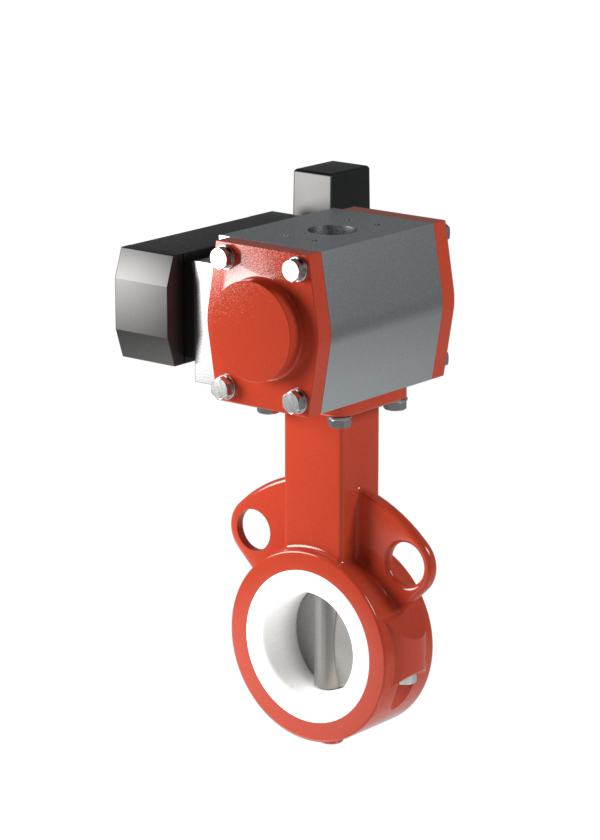
5. Actuator and Mounting Checks
For electric or pneumatic actuators, inspect:
Wiring/connectors
Air supply pressure
Calibration and travel stop settings
Ensure actuator aligns with ISO 5211 mounting pad
6. Leakage Test
Perform a hydrostatic test or air test per API 598, EN 12266, or ISO 5208
Test under closed and partially open positions
Record and compare data over time
🧯 Common Butterfly Valve Maintenance Issues
Problem Possible Cause Solution Seat leakage Worn/damaged seat Replace seat or recondition surface Hard to turn handle/actuator Build-up or lack of lubrication Clean and lubricate stem Vibrating disc Turbulent flow or poor alignment Reinstall with correct flow direction Actuator not responsive Power/air failure or miscalibration Inspect actuator & recalibrate 🔩 Butterfly Valve Maintenance by Type
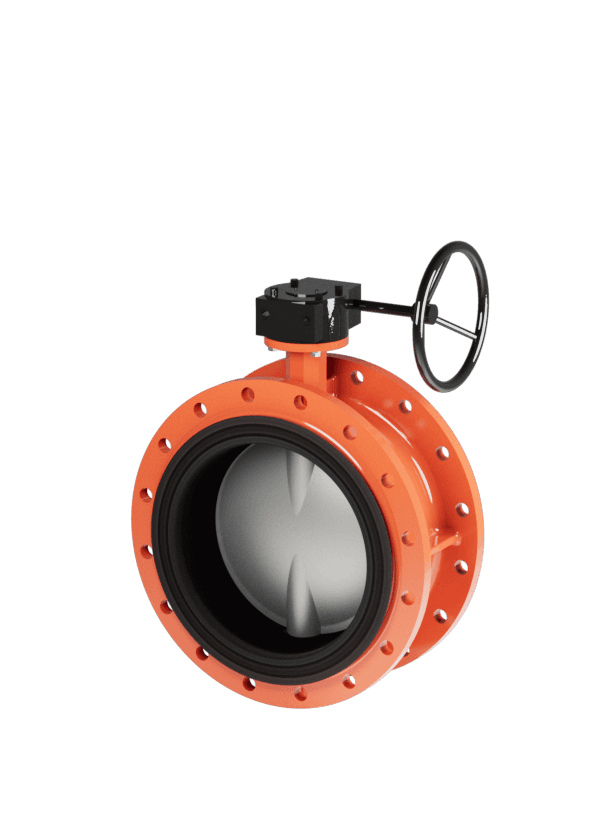
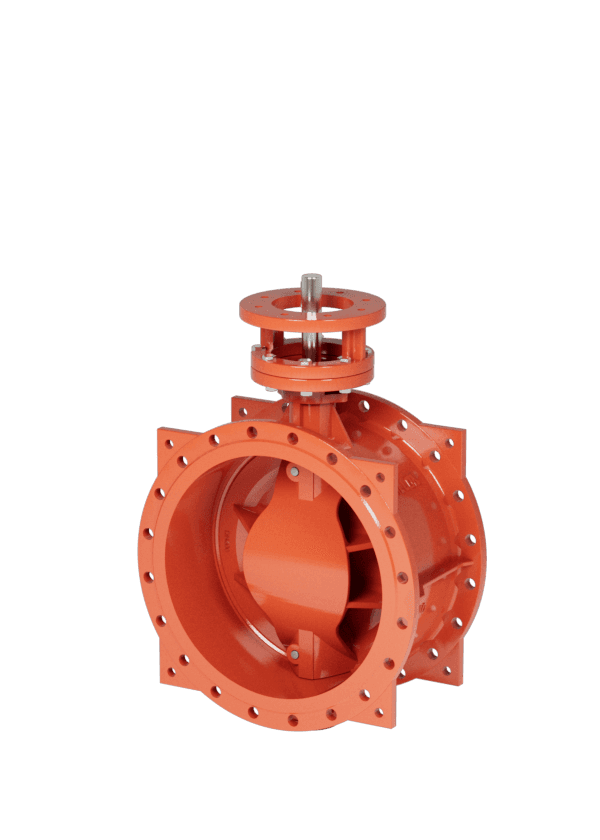
Valve Type Maintenance Focus Wafer Butterfly Valve Gasket alignment, disc clearance Lug Butterfly Valve Bolt torque, flange thread cleaning Flanged Butterfly Valve Bolt preload, gasket seal inspection Double Offset Valve Disc-seat interface wear Triple Offset Valve Metal seal integrity and sealing angle