
-
Valve Categories
-






-
Valve Categories
-
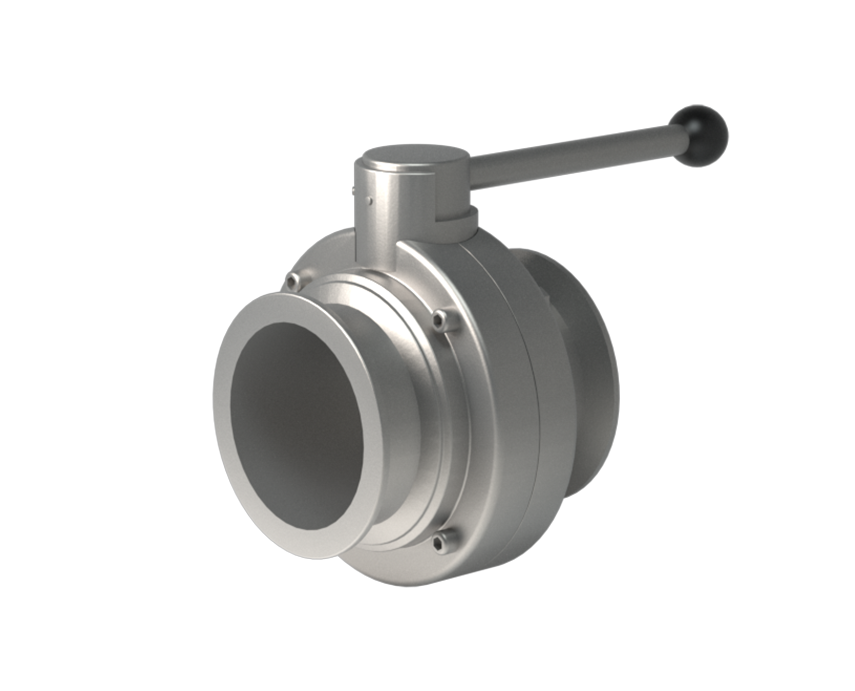
Sanitary Butterfly Valve SB71-S
DN
19~219
PN
0.6~1.6
Temperature Range
-20℃~200℃
Connection
tri-clamp / butt-weld
Installation Direction
Bidirectional
Design
GB/T 19249
Face to Face
GB/T 2009
End
ISO 2852
Top Connection
ISO5211
Inspection
GB/T13927, ISO5028, API598, JB/T9092
Body Materials
304, 316, 304L, 316L
Disc Materials
304, 316, 304L, 316L
Stem Materials
304, 316, 304L, 316L
Seat Materials
Viton, Silicone, PTFE
Features & Benefits
SB71-S is a kind of sanitary butterfly valves are designed specifically for use in applications where hygiene, cleanliness, and sanitary standards are crucial. They are commonly used in industries like food and beverage, pharmaceuticals, biotechnology, and dairy processing, where the risk of contamination needs to be minimized.
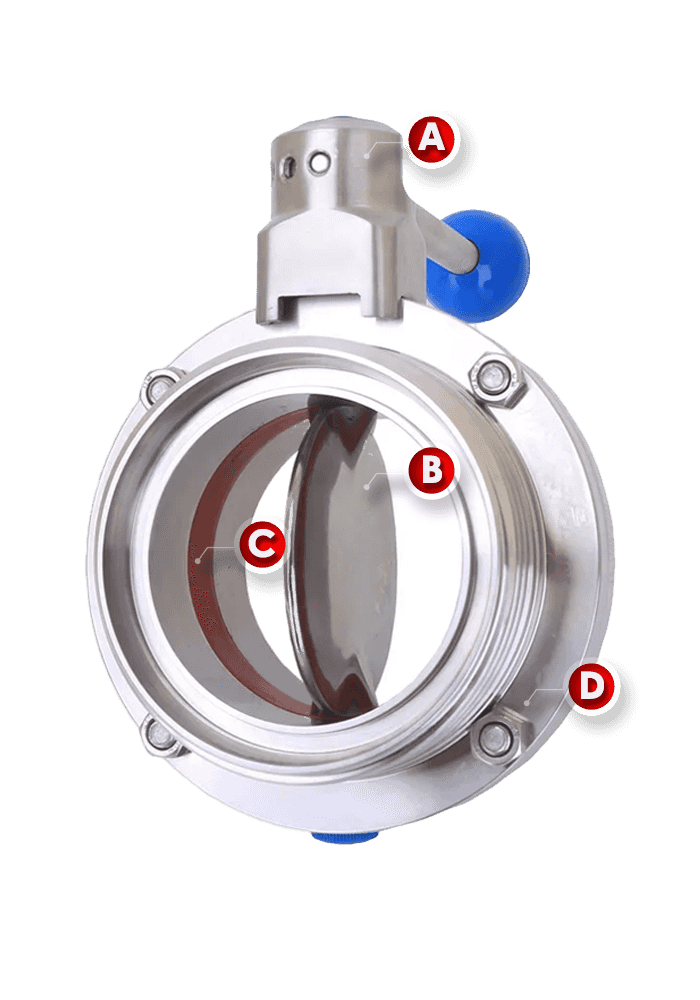
These valves typically have a low operating torque, which makes them easier to operate and reduces the strain on the actuator and valve components.
Disc and body are engineered to meet strict sanitary standards, with smooth, crevice-free internal surfaces that minimize the risk of bacterial growth and contamination.
The seals are made from non-contaminating materials like FDA-approved elastomers (EPDM, Viton, or Silicone) or PTFE, which are resistant to a wide range of cleaning agents and chemicals commonly used in sanitary processes.
Sanitary butterfly valves typically come with tri-clamp (also known as tri-clover) or butt-weld connections, making installation and disassembly easier for cleaning and sterilization.
These valves typically have a low operating torque, which makes them easier to operate and reduces the strain on the actuator and valve components.
Disc and body are engineered to meet strict sanitary standards, with smooth, crevice-free internal surfaces that minimize the risk of bacterial growth and contamination.
The seals are made from non-contaminating materials like FDA-approved elastomers (EPDM, Viton, or Silicone) or PTFE, which are resistant to a wide range of cleaning agents and chemicals commonly used in sanitary processes.
Sanitary butterfly valves typically come with tri-clamp (also known as tri-clover) or butt-weld connections, making installation and disassembly easier for cleaning and sterilization.
Industry Options
| Materials | Characteristics | Low Temp. ℃ | High Temp. ℃ | Recommended ℃ |
| FPM (Viton) | Chemical and most oils resistance, (except ketones & esters) | -20 | 200 | -5~150 |
| MVQ (Silicon) | High and low temperature resistance, oil, corrosion resistance | -55 | 200 | -30~180 |
Dimensions
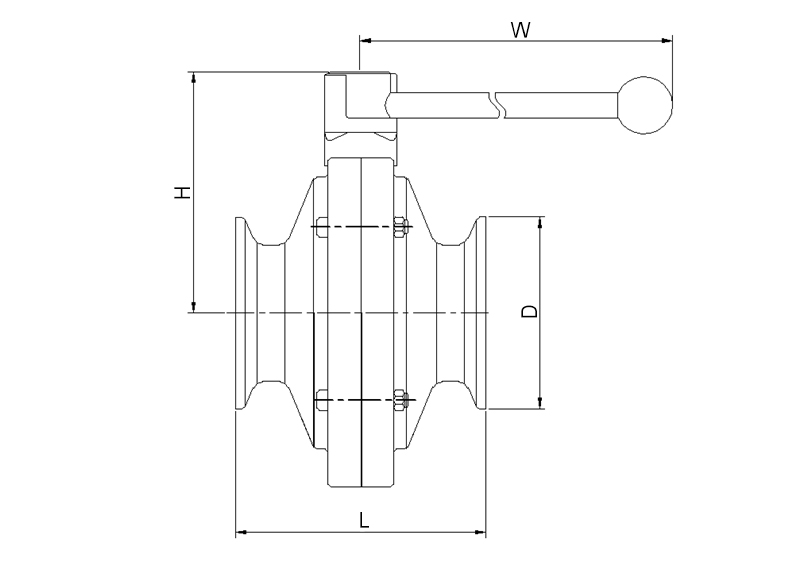
| DN | L | D | H | W |
| 19 | 64 | 50.5 | 71.5 | 127 |
| 25 | 64 | 50.5 | 71.5 | 127 |
| 32 | 70 | 50.5 | 71.5 | 127 |
| 38 | 70 | 50.5 | 71.5 | 127 |
| 45 | 72 | 64 | 74 | 127 |
| 51 | 74 | 64 | 79 | 127 |
| 57 | 76 | 77.5 | 83 | 127 |
| 63 | 76 | 77.5 | 88.5 | 137 |
| 76 | 78 | 91 | 92.5 | 137 |
| 89 | 78 | 106 | 99 | 160 |
| 102 | 85 | 119 | 107 | 160 |
| 108 | 85 | 119 | 107 | 160 |
| 114 | 106 | 130 | 112 | 160 |
| 133 | 128 | 145 | 128 | 210 |
| 152 | 132 | 167 | 146 | 210 |
| 159 | 132 | 183 | 146 | 210 |
| 203 | 134 | 217.7 | 193 | 295 |
| 219 | 134 | 233.5 | 193 | 295 |
RELATED CASE
-
Research: What Is a Sanitary Butterfly Valve?
-
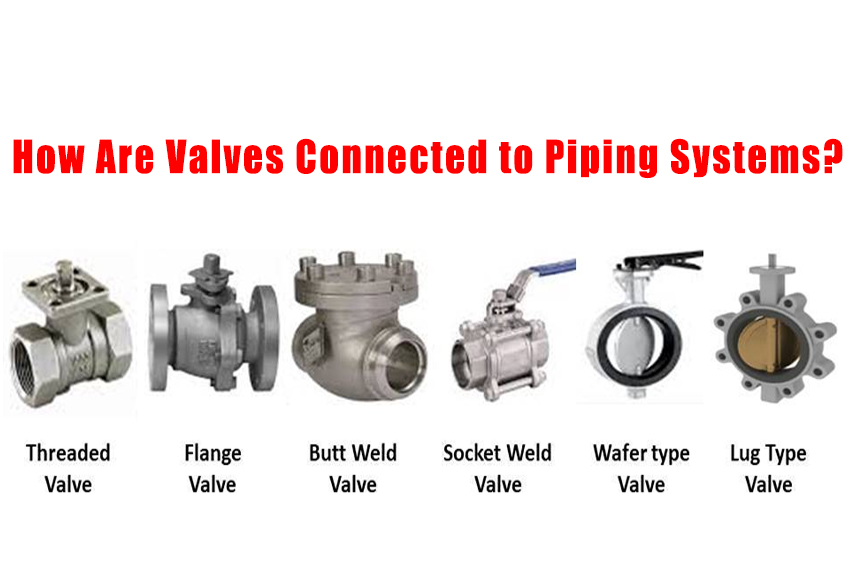
Research: Valve Connection Types--How Are Valves Connected to Piping Systems?
-
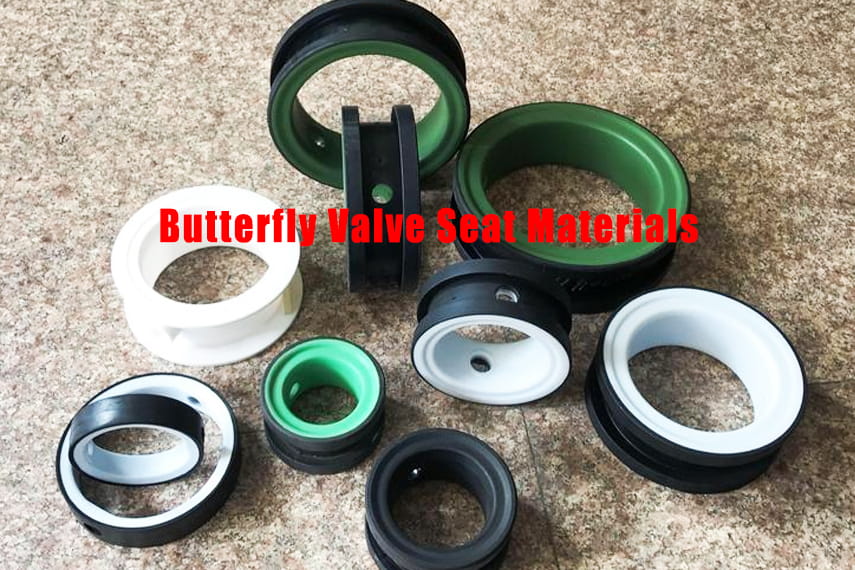
Research: What Are the Common Butterfly Valve Seat Materials?
-
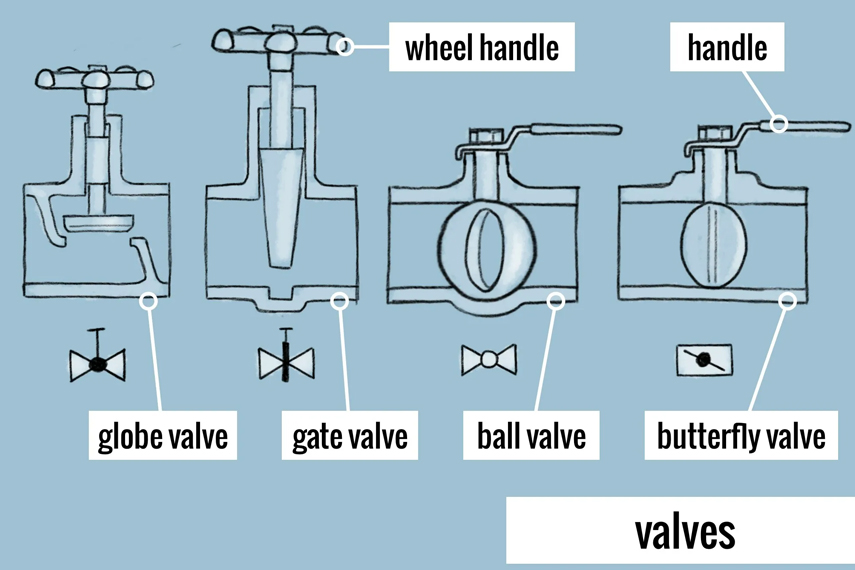
Research: What are the differences between Linear (direct-acting) valves and rotary (angle-acting) valves?
-
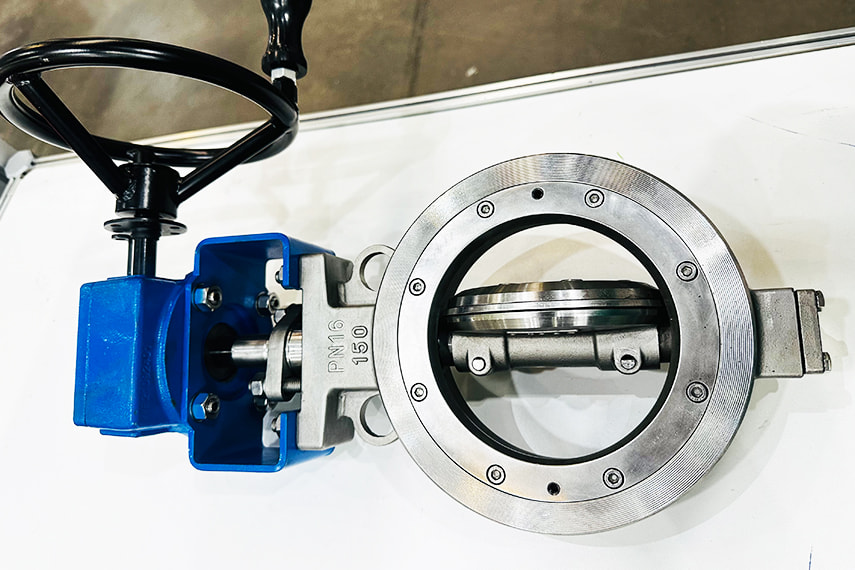
Research: How to Maintain Butterfly Valves?
-
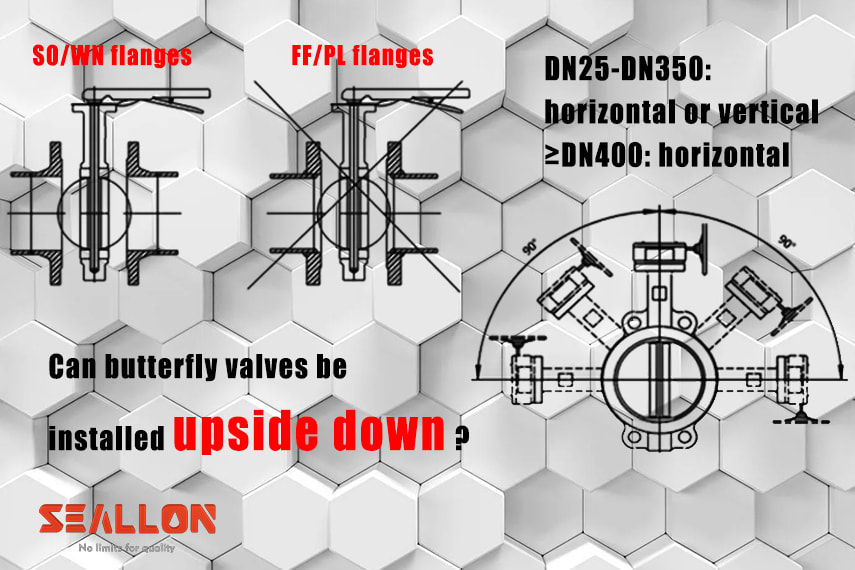
Research: Can Butterfly Valves Be Installed Upside Down?
-
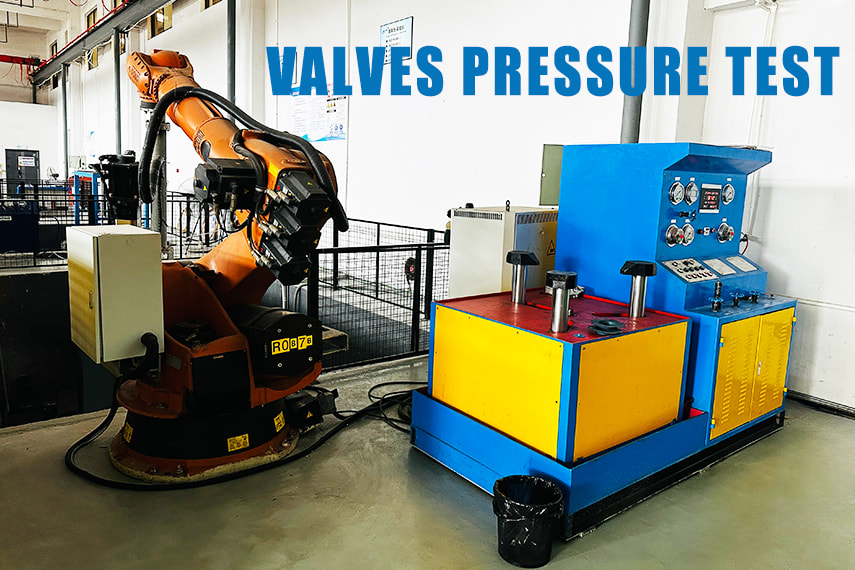
Research: How Are Valves Pressure Tested?
-
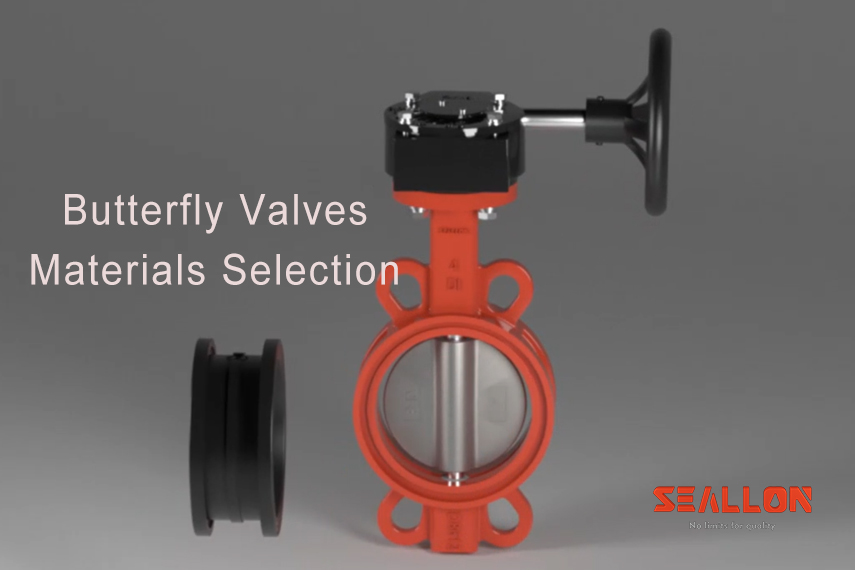
Research: How to Choose the Materials for Butterfly Valves
-
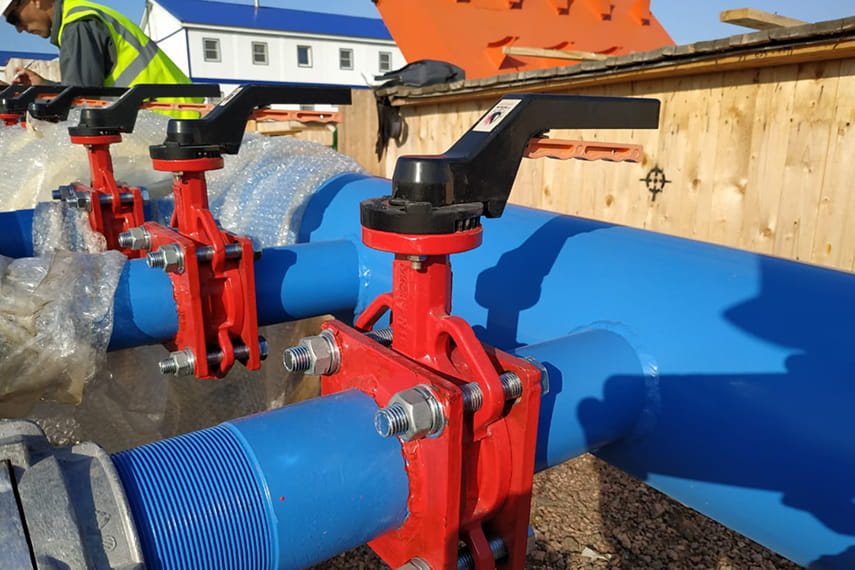
Research: Valve Maintenance Process
-
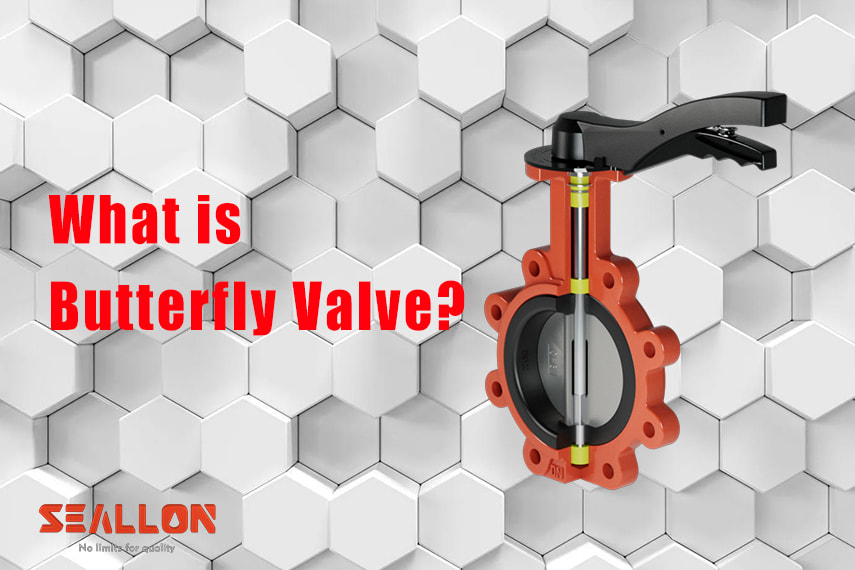
Research: Features and application of Butterfly Valves
-
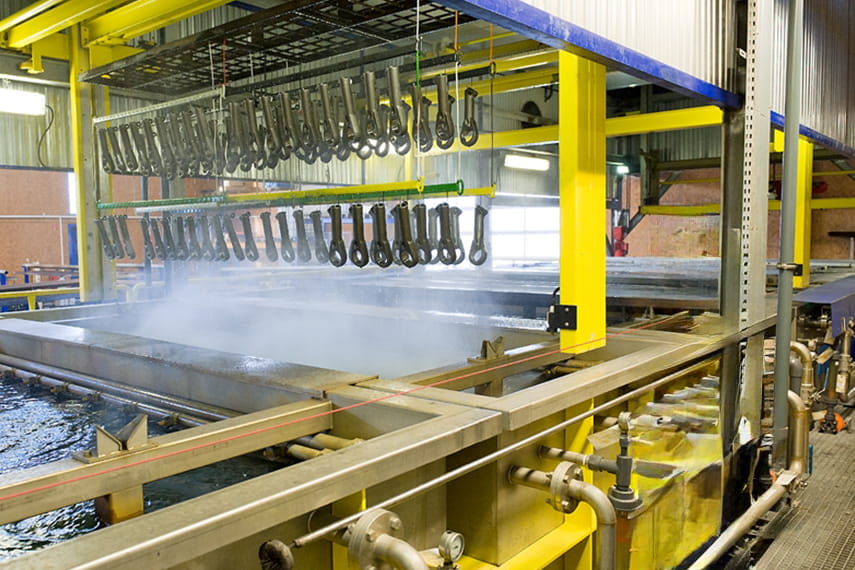
Research: What is Valve Degreasing Treatment?
-
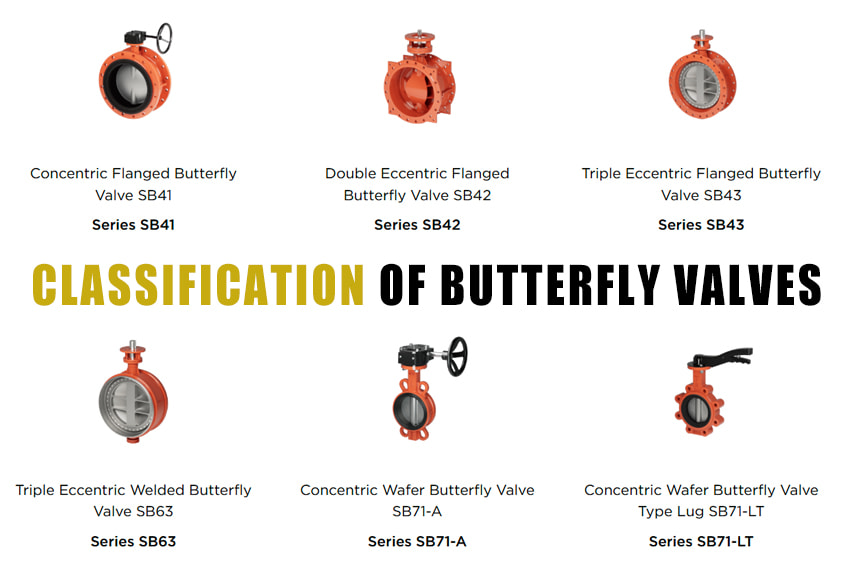
Research: What are the different types of Butterfly Valves?
-
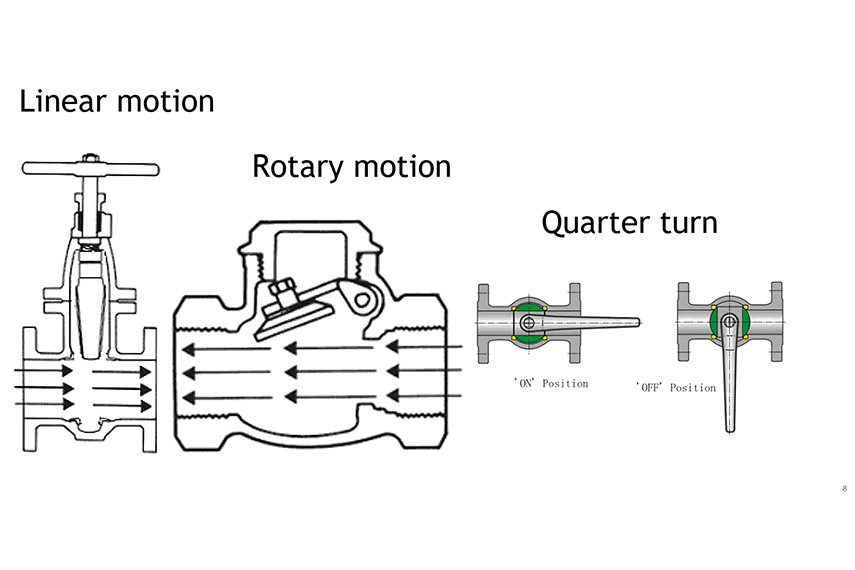
Research: What are the differences between Quarter-turn & Multi-turn valves?
Submit An inquiry

© 2024 Seallon Flow Technology Co.,Ltd. All Rights Reserved