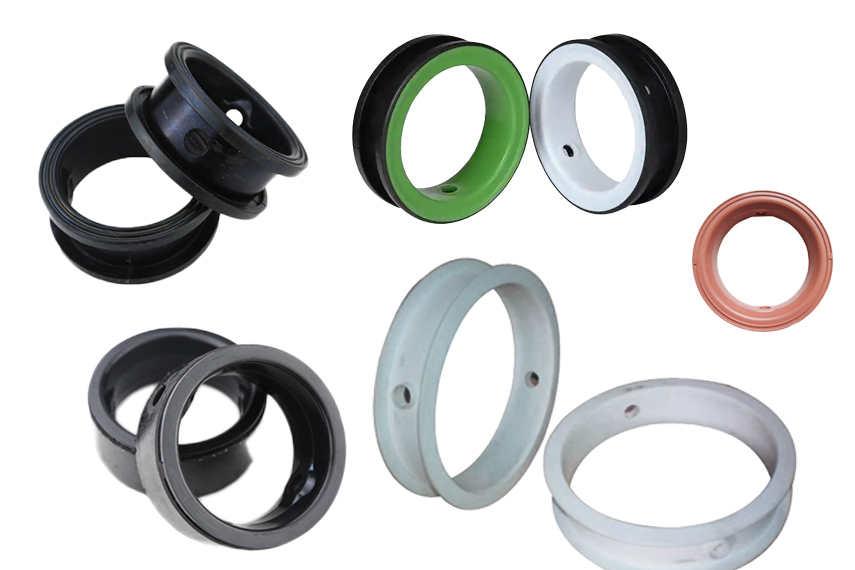
Research: What Are the Common Butterfly Valve Seat Materials?
When selecting a butterfly valve for your system — whether for water treatment, HVAC, chemical processing, or oil & gas — choosing the right seat (sealing) material is critical for ensuring leak-free operation, long service life, and media compatibility.
In this guide, we explore the most commonly used butterfly valve seat materials, their chemical composition, temperature range, suitable media, and selection guidelines — using high-frequency search keywords to improve online visibility.
🔍 What Is a Butterfly Valve Seat?
A butterfly valve seat is the sealing element that ensures tight shutoff between the disc and the valve body. Seat material greatly affects the valve’s temperature resistance, chemical compatibility, pressure rating, and wear durability.
🧪 Common Butterfly Valve Seat Materials: Properties & Applications
| Material | Main Composition | Temperature Range | Suitable Media | Key Features | Common Applications |
|---|---|---|---|---|---|
| EPDM (Ethylene Propylene Diene Monomer) | Synthetic rubber | -30°C to +120°C | Water, steam (low temp), dilute acids | Excellent for potable water, ozone, aging | HVAC, waterworks, cooling towers |
| NBR (Nitrile / Buna-N) | Nitrile rubber | -20°C to +100°C | Oil, gas, petroleum, air | Good oil resistance, low cost | Fuel systems, air compressors |
| PTFE (Teflon) | Polytetrafluoroethylene | -50°C to +200°C | Strong acids, alkalis, solvents | Chemically inert, non-stick | Chemical lines, pharma, food processing |
| Viton® (FKM) | Fluoroelastomer | -10°C to +200°C | Hydrocarbons, fuels, aggressive chemicals | High chemical & heat resistance | Chemical reactors, refineries |
| Silicone | Silicone rubber | -60°C to +180°C | Sanitary fluids, air, water | FDA-approved, flexible at low temp | Food-grade, clean water, pharma |
| Neoprene (CR) | Chloroprene rubber | -20°C to +90°C | Mild acids, water, refrigerants | Moderate chemical resistance | HVAC, marine, fire protection |
| Metal Seat (Stainless, Inconel, Stellite) | Alloy steels | Up to 600°C or higher | Steam, abrasive slurry, high-pressure gas | High-temp, erosion-resistant | Power plants, slurry, steam isolation |
✅ Seat Material Selection Guide
To ensure optimal valve performance and long-term durability, consider the following:
| Factor | Recommendation |
|---|---|
| Temperature | Use PTFE, Viton, or metal seats for high temps |
| Chemical Resistance | Choose PTFE, Viton, or EPDM depending on media |
| Water Systems | EPDM preferred for drinking water & HVAC |
| Oil & Fuel | NBR or Viton recommended |
| Food/Pharma | PTFE, Silicone, or EPDM (FDA-grade) |
| Slurry/Abrasive | Go for metal-seated butterfly valves |