Research: What are the differences between Linear (direct-acting) valves and rotary (angle-acting) valves?
Linear valves and rotary valves are two common types of valves, and they differ significantly in their working principles, operating methods, applications, and other aspects. Below are the key differences between these two types of valves:
1. Working Principle
Linear Valve:
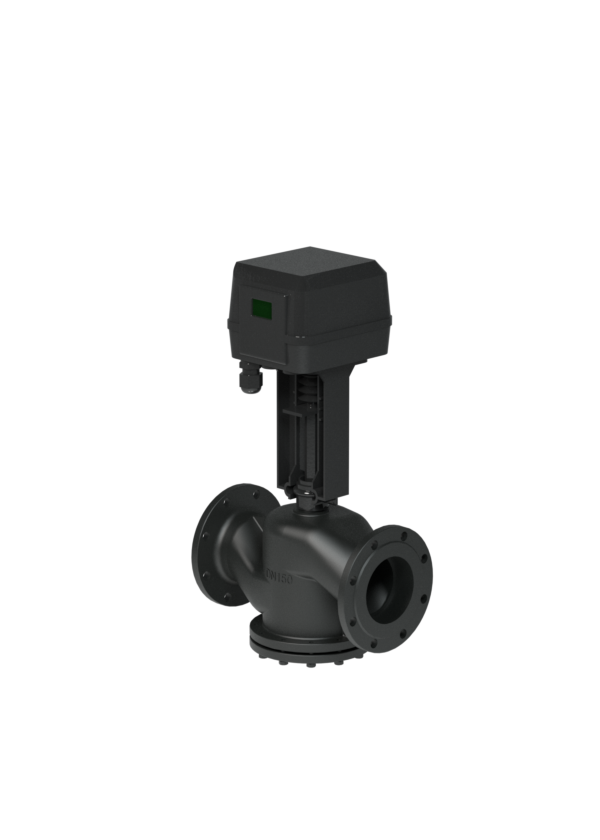
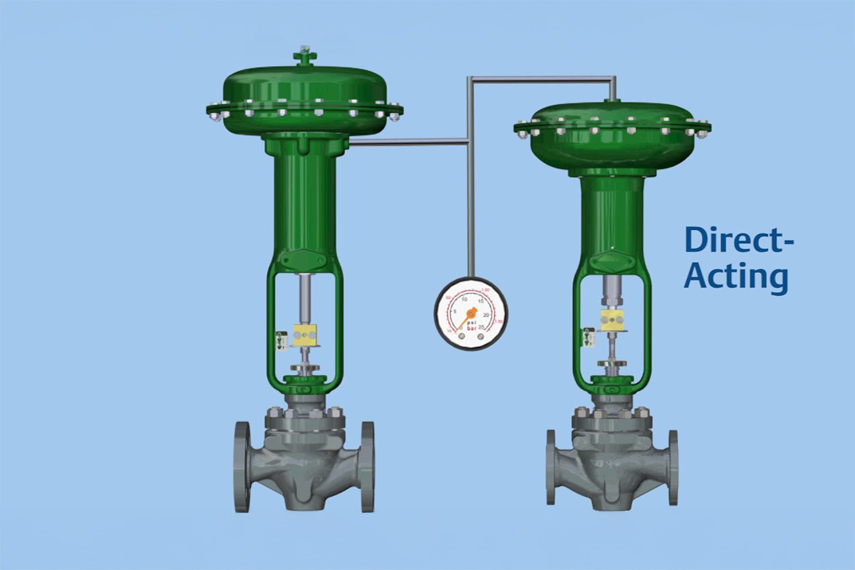
- The linear valve operates by moving the valve plug along a straight path in a reciprocating motion. This motion is typically vertical or horizontal.
- Examples: Gate valves, globe valves, and ball valves (in some cases) — the valve plug moves in a straight line to control the flow of fluid.
- Rotary Valve:
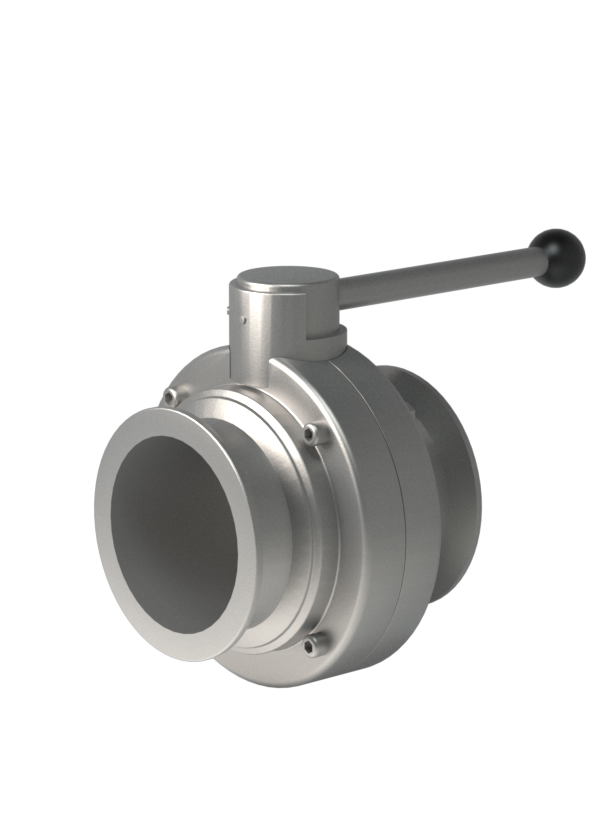
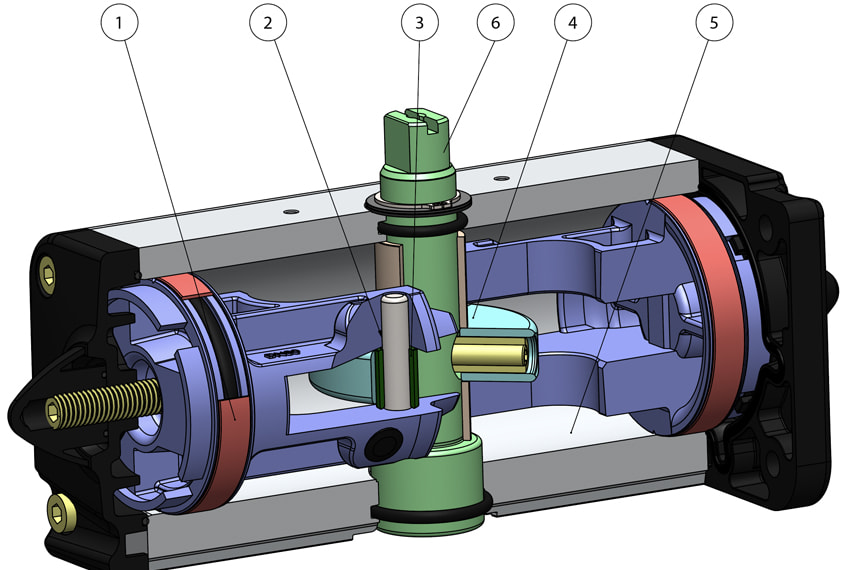
- The rotary valve operates by rotating the valve disc along an angular direction to control the flow. The valve disc rotates around its center axis by a certain angle (typically 90 degrees).
- Examples: Ball valves, butterfly valves, and plug valves — these valves control the flow by rotating the valve body or disc.
2. Operating Method
Linear Valve:
- The operation of linear valves is typically done by pushing or pulling the valve stem to move the valve plug along a straight path. Common peration methods include manual, pneumatic, electric, or hydraulic actuation.
- These valves are mostly used in applications where precise flow control or complete opening or closing is required.
- Rotary Valve:
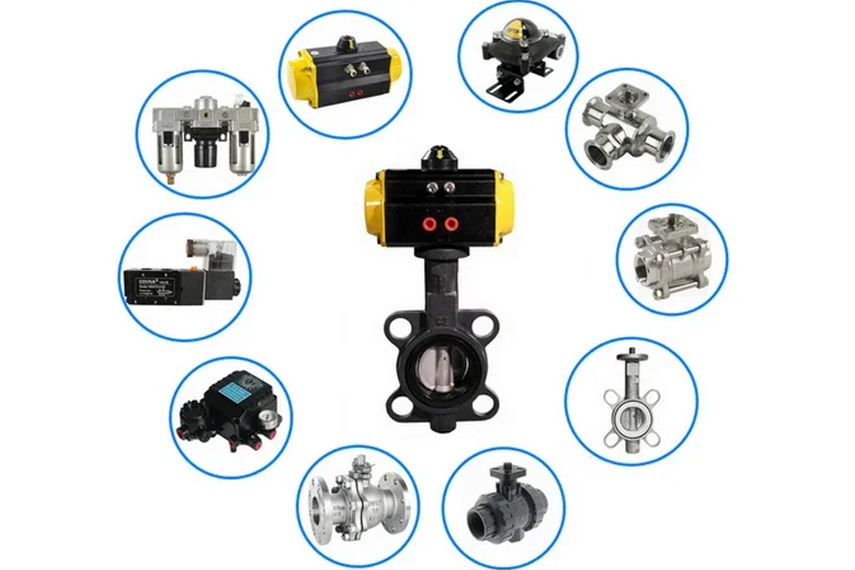
- The operation of rotary valves involves rotating the valve stem or valve body to rotate the valve disc. Common operation methods include manual, electric drive, or pneumatic actuation.
- Rotary valves are typically used for quick opening and closing or applications where flow regulation is needed.
3. Applications
Linear Valve:
- These valves are suitable for applications requiring precise flow control and situations where complete opening or complete closing is needed.
- Linear valves are typically used in systems that involve high flow precision, such as liquid or gas flow control, isolation, and regulation.
- Common applications: Oil, chemical, firefighting, HVAC, etc.
Rotary Valve:
- These valves are used for rapid opening and closing or flow regulation. They are well-suited for applications requiring fast response and generally for large flow control systems.
- Rotary valves are commonly used in low-pressure systems or in applications where precise flow control is not critical.
- Common applications: Water treatment, HVAC, food and beverage industry, etc.
4. Flow Control Precision
Linear Valve:
- Linear valves offer high flow control precision because the valve plug moves in a straight line. This allows for fine adjustment of flow, making them suitable for applications that require fine flow regulation.
- For example, a globe valve can precisely control flow, especially in small flow applications.
- Rotary Valve:
- Rotary valves usually do not offer as precise flow control as linear valves. Since they regulate flow through rotation, they are better for controlling large flow rates but less effective for small flow adjustments.
- For example, ball valves and butterfly valves are often used for on/off control or for regulating larger flows, but their flow regulation precision is relatively low.
5. Structure and Maintenance
Linear Valve:
- The structure of linear valves is typically simple, consisting of a valve body, valve plug, valve seat, and stem. These valves are easy to operate and maintain, making them suitable for flow regulation and flow control.
- Regular inspection is needed for the sealing performance between the valve plug and seat to avoid leakage due to wear.
- Rotary Valve:
- Rotary valves usually have a more complex structure, with a valve body, valve disc, seat, stem, and sealing elements.
- Although the operation and maintenance of rotary valves are generally straightforward, the rotating parts may experience wear over time, requiring periodic checks of their condition.
In conclusion, linear valves are suitable for applications that require precise flow control and high control accuracy, while rotary valves are better for quick opening/closing and large flow control applications. The choice of valve depends on specific application requirements, flow control precision, and working conditions.