Research: Valve Connection Types--How Are Valves Connected to Piping Systems?
Common Valve Connection Types
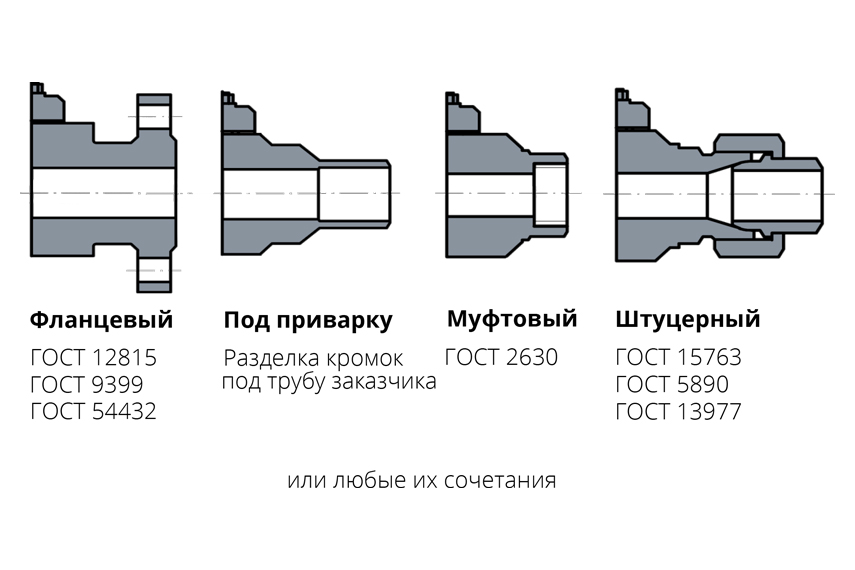
1. Flanged Connection
-
Overview: One of the most widely used connection methods in industrial piping systems.
-
Design: The valve has flanged ends that are bolted to pipe flanges using gaskets in between.
-
Advantages: Easy to install, remove, and maintain; strong sealing capability.
-
Applications: Oil & gas, chemical processing, water treatment, power generation.
-
Standards: ANSI B16.5, DIN EN 1092, JIS B2220.
-
Popular Search Terms: flanged valve connection, ANSI flange valve, high pressure flanged valve.
2. Threaded Connection (Screwed Valve)
-
Overview: Common in small-diameter pipelines and low-pressure systems.
-
Design: Valves with NPT (National Pipe Thread), BSP (British Standard Pipe), or other thread standards.
-
Advantages: Simple installation; no welding required.
-
Limitations: Not ideal for high-vibration or high-pressure environments.
-
Applications: HVAC systems, plumbing, low-pressure gas or water lines.
-
Keywords: threaded ball valve, NPT valve connection, screwed gate valve.
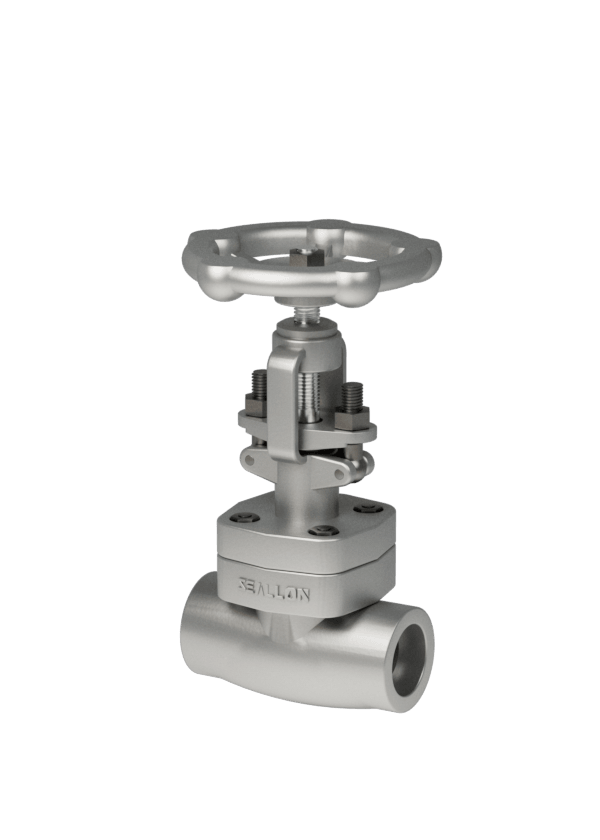
3. Welded Connection
-
Types:
-
Socket Weld (SW): Pipe is inserted into a recessed area of the valve and welded around the joint.
-
Butt Weld (BW): Pipe and valve ends are beveled and welded together for a smooth bore.
-
-
Advantages: High integrity, leak-proof connection; excellent for high-pressure and high-temperature systems.
-
Drawbacks: Requires skilled welding; not easily removable.
-
Applications: Power plants, refineries, offshore platforms.
-
Keywords: socket weld valve, butt weld valve, welded end gate valve, high-pressure weld valve.
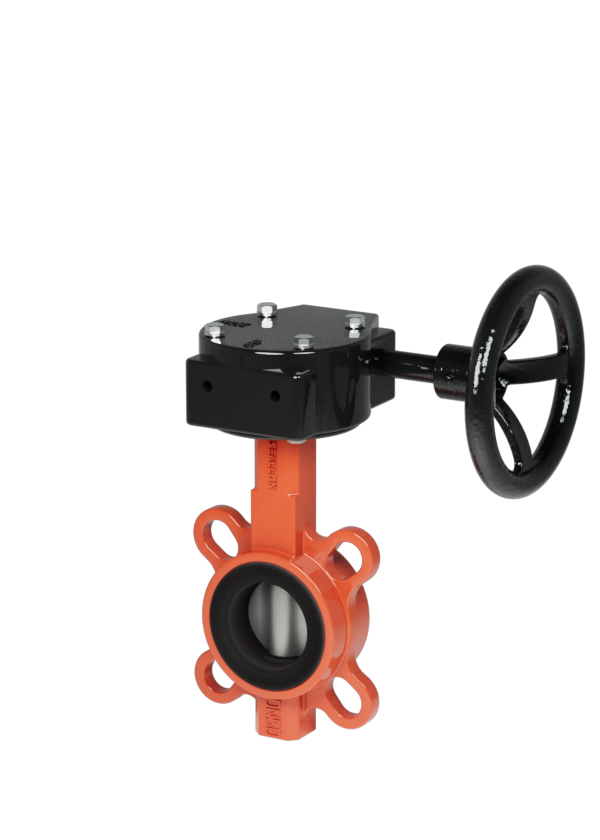
4. Wafer Type Connection
-
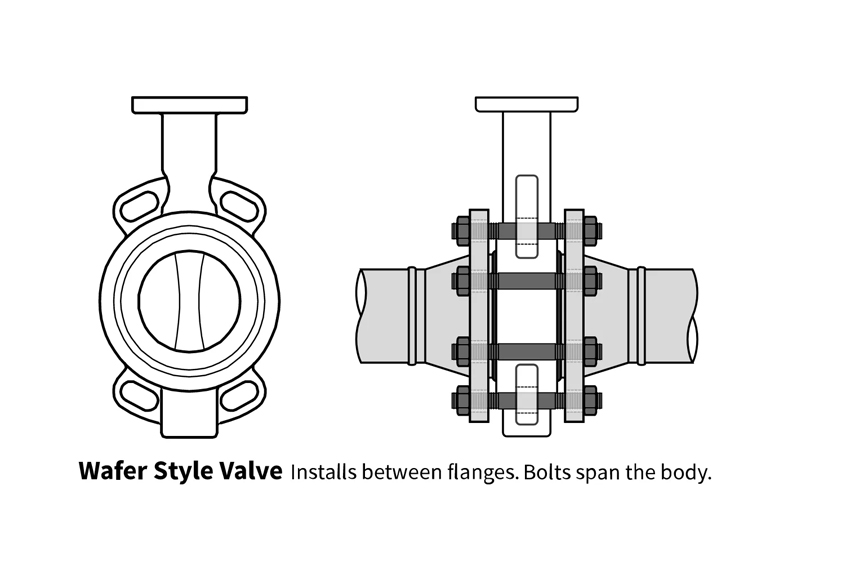
Overview: Common for butterfly valves.
-
Design: Valve is sandwiched between two flanges; bolts pass through the flanges and valve body.
-
Advantages: Lightweight, compact, cost-effective.
-
Limitations: Not ideal for isolation applications where pipe stress is high.
-
Applications: HVAC, water distribution, fire protection systems.
-
Keywords: wafer butterfly valve, compact valve connection, lightweight valve install.
5. Lug Type Connection
-
Design: Similar to wafer, but with threaded lugs for bolt connection on both sides.
-
Advantages: Can isolate one side of the pipeline for maintenance.
-
Applications: Water treatment, irrigation, building services.
-
Keywords: lug butterfly valve, lug-style valve connection, double-sided flange valve.
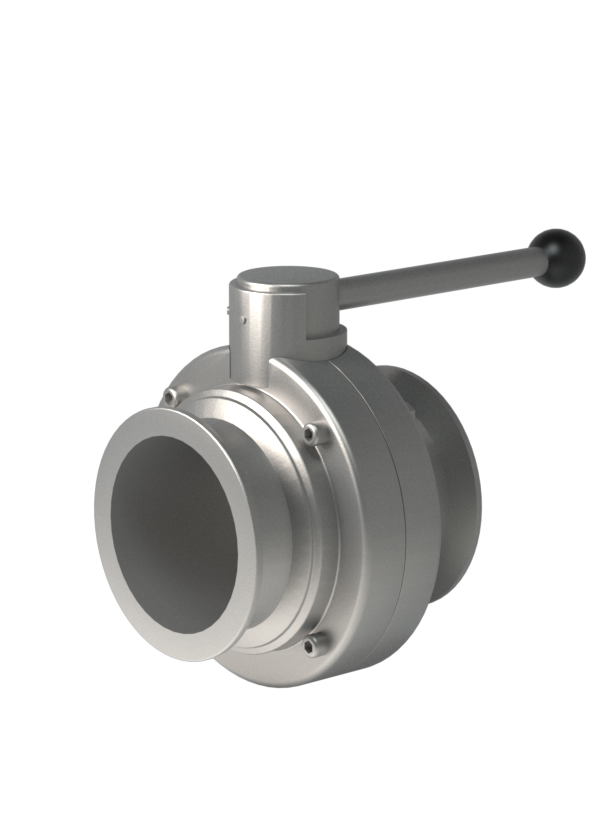
6. Clamp / Tri-Clamp Connection (Hygienic Valve Connection)
-
Overview: Used in sanitary applications like food, beverage, and pharmaceuticals.
-
Design: Valves are clamped to pipes using quick-release tri-clamp fittings.
-
Advantages: Easy to disassemble and clean; ideal for CIP/SIP systems.
-
Applications: Biotech, dairy, breweries.
-
Keywords: tri-clamp valve, sanitary valve connection, hygienic ball valve.
Choosing the Right Valve Connection
When selecting a valve-to-pipe connection type, consider:
-
Pipe size and pressure rating
-
Media type (corrosive, viscous, sanitary, etc.)
-
Installation space and accessibility
-
System maintenance frequency
-
Industry-specific standards and certifications