
-
Valve Categories
-






-
Valve Categories
-
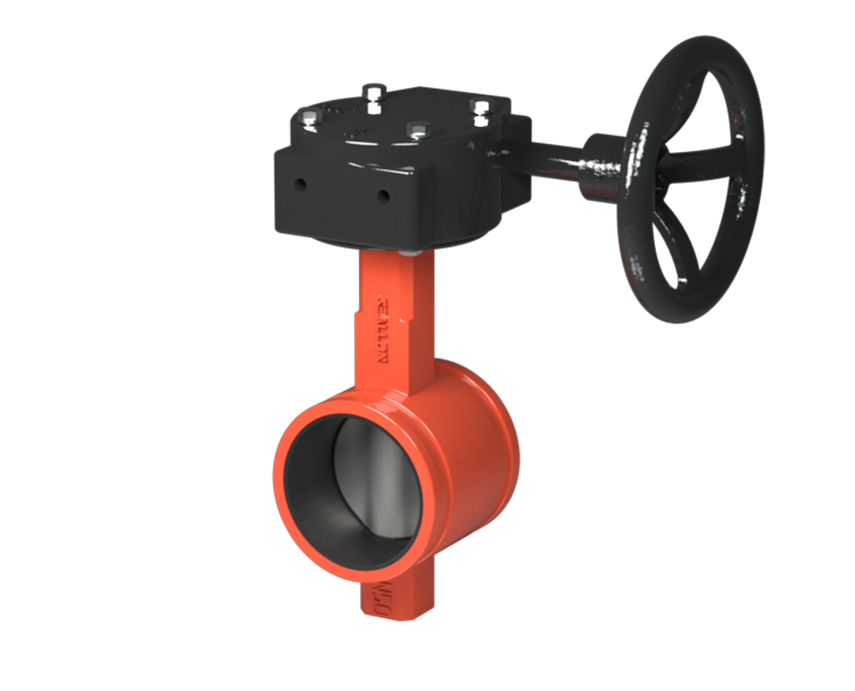
Groove Butterfly Valve SB81
DN
50~300 (2"~12")
PN
0.6~2.5 (Class150)
Temperature Range
-20℃~130℃
Connection
Groove
Installation Direction
Bidirectional
Design
CJ/T 261
Face to Face
GB/T 5135.11
End
GB/T 5135.11
Top Connection
ISO5211
Inspection
GB/T13927, ISO5028, API598, JB/T9092
Body Materials
GGG40, WCB, CF8, CF8M
Disc Materials
GGG40, GGG40+EPDM, CF8, CF8M
Stem Materials
45#, 410, 416, 304, 316
Sealing Materials
EPDM, NBR
Features & Benefits
SB81 is a kind of groove signal butterfly valves are widely used in various industries for regulating and controlling the flow of liquids, gases, or slurries. Due to their efficient design and ease of installation. They are commonly found in the applications such as water treatment, HVAC systems and fire protection fields.
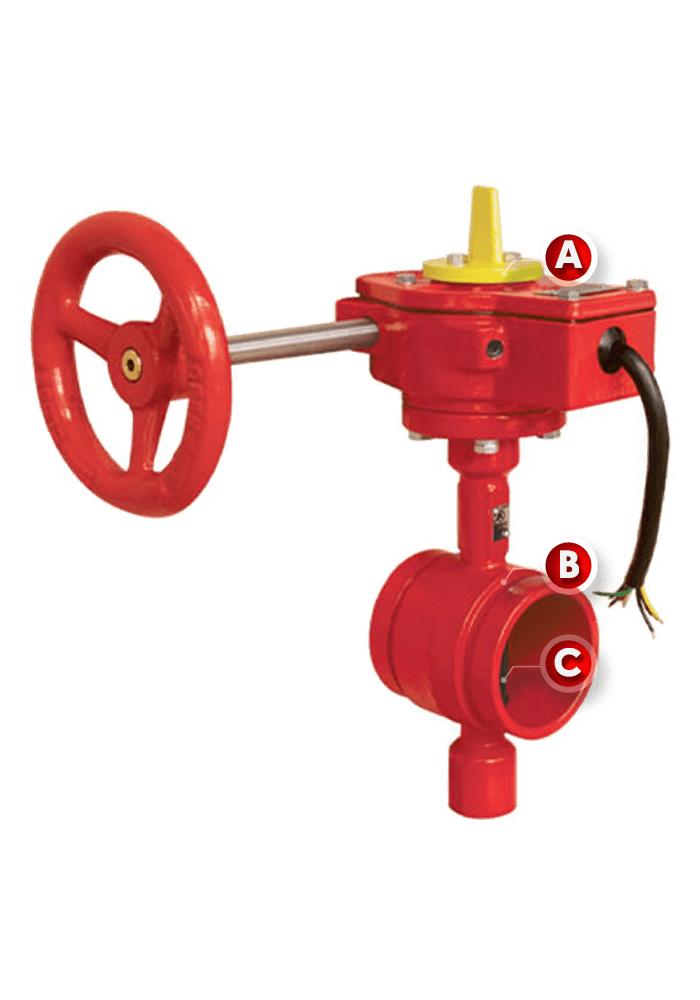
The signal worm gear is part of the valve actuator, and its main function is to provide mechanical advantage to the valve operator. The worm gear reduces the input torque needed to turn the valve disc, enabling smooth and controlled operation. The gear mechanism ensures that even when the valve is under pressure, it can be easily opened or closed without requiring excessive force from the operator.
The valve body of a groove signal butterfly valve is typically made from durable materials such as cast iron, stainless steel, or ductile iron, ensuring high resistance to corrosion and wear. The body is designed to have a compact, lightweight structure, which makes it easier to install and maintain. The grooved ends allow for easy connection to pipelines without the need for welding or threaded fittings, offering significant time and cost savings during installation.
Groove signal butterfly valves typically feature a resilient, elastomeric seat material, such as EPDM, NBR, or Viton, which ensures excellent sealing performance. The design of the seat helps to create a tight seal around the valve disc, allowing the valve to shut off the flow completely when closed.
The signal worm gear is part of the valve actuator, and its main function is to provide mechanical advantage to the valve operator. The worm gear reduces the input torque needed to turn the valve disc, enabling smooth and controlled operation. The gear mechanism ensures that even when the valve is under pressure, it can be easily opened or closed without requiring excessive force from the operator.
The valve body of a groove signal butterfly valve is typically made from durable materials such as cast iron, stainless steel, or ductile iron, ensuring high resistance to corrosion and wear. The body is designed to have a compact, lightweight structure, which makes it easier to install and maintain. The grooved ends allow for easy connection to pipelines without the need for welding or threaded fittings, offering significant time and cost savings during installation.
Groove signal butterfly valves typically feature a resilient, elastomeric seat material, such as EPDM, NBR, or Viton, which ensures excellent sealing performance. The design of the seat helps to create a tight seal around the valve disc, allowing the valve to shut off the flow completely when closed.
Industry Options
| Materials | Characteristics | Low Temp. ℃ | High Temp. ℃ | Recommended ℃ |
| NBR | Oil resistivity | -30 | 100 | -15~90 |
| EPDM | Aging resistance, ozone resistance, corrosion resistance | -40 | 125 | -25~110 |
| HT EPDM | Aging resistance, ozone resistance, corrosion resistance, heat resistance | -40 | 150 | -25~135 |
Dimensions
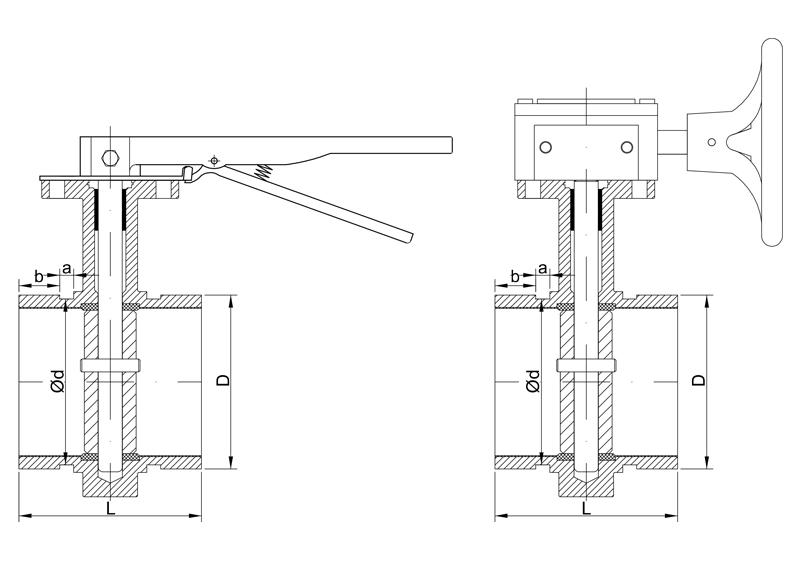
| DN | L | D | d | a | b |
| 50 | 92 | 60 | 55 | 8 | 16 |
| 65 | 102 | 76 | 71 | 8 | 16 |
| 80 | 102 | 89 | 84 | 8 | 16 |
| 100 | 116 | 114 | 109 | 10 | 16 |
| 125 | 125 | 141 | 136 | 10 | 16 |
| 150 | 125 | 165 | 160 | 10 | 16 |
| 200 | 138 | 219 | 214 | 11 | 19 |
| 250 | 159 | 273 | 268 | 13 | 19 |
| 300 | 166 | 324 | 319 | 13 | 19 |
RELATED CASE
-
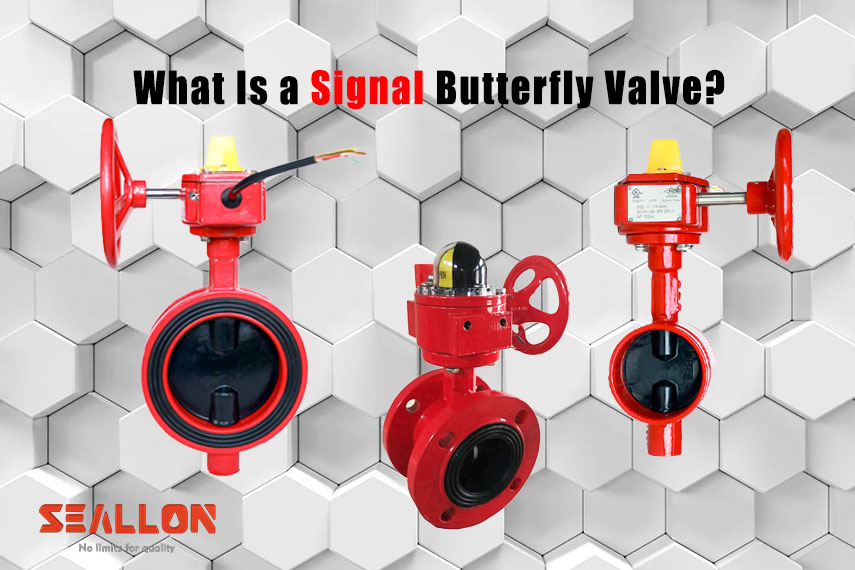
Research: What Is a Signal Butterfly Valve?
-
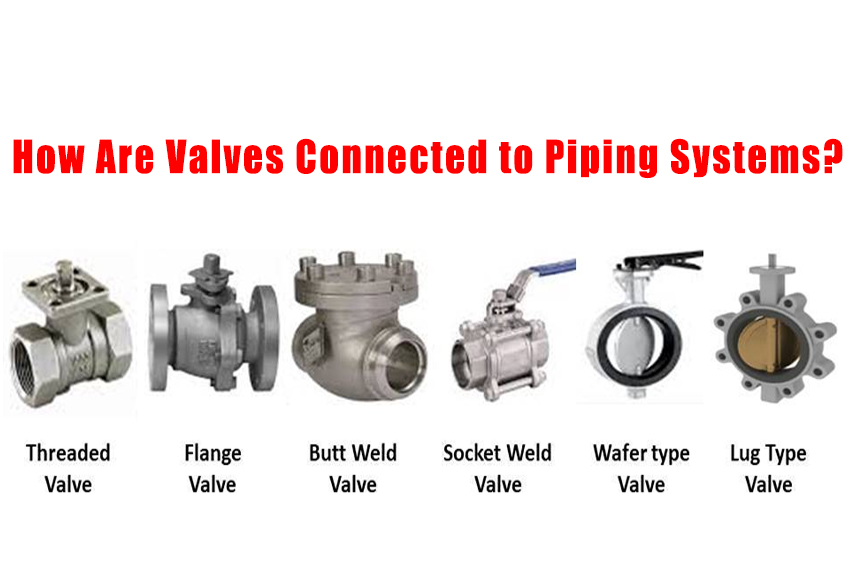
Research: Valve Connection Types--How Are Valves Connected to Piping Systems?
-
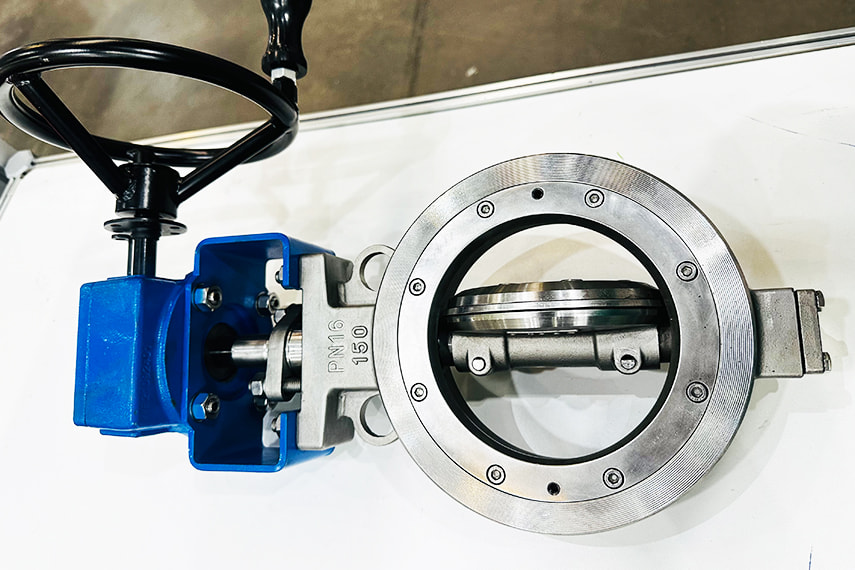
Research: How to Maintain Butterfly Valves?
-
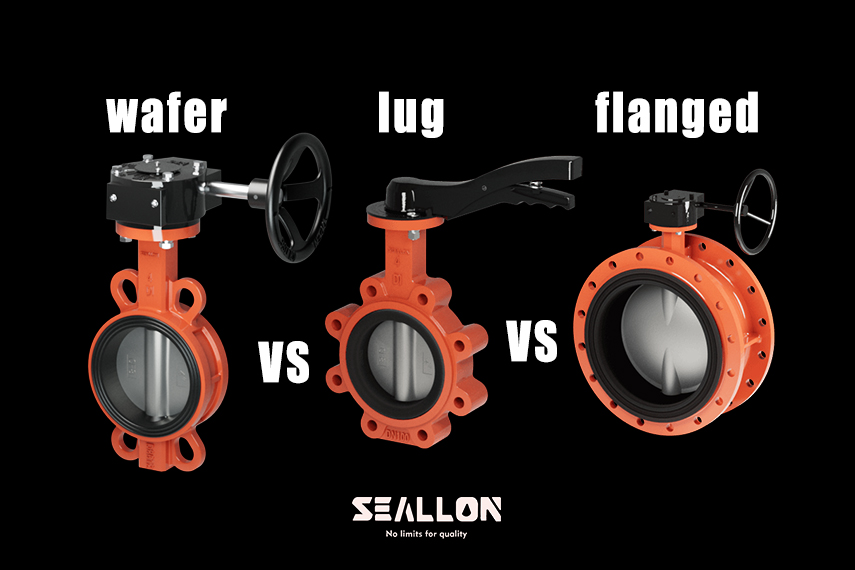
Research: What Are Wafer vs. Lug vs. Flanged Butterfly Valves?
-
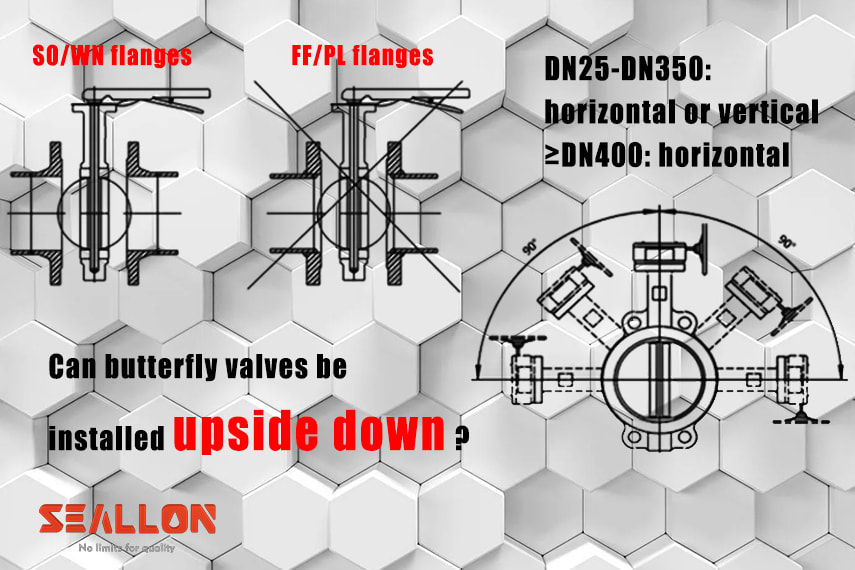
Research: Can Butterfly Valves Be Installed Upside Down?
-
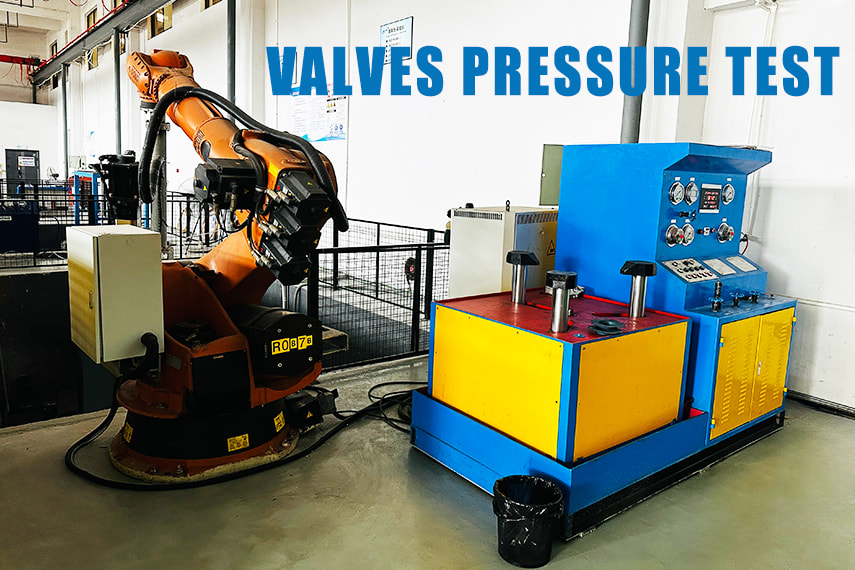
Research: How Are Valves Pressure Tested?
-
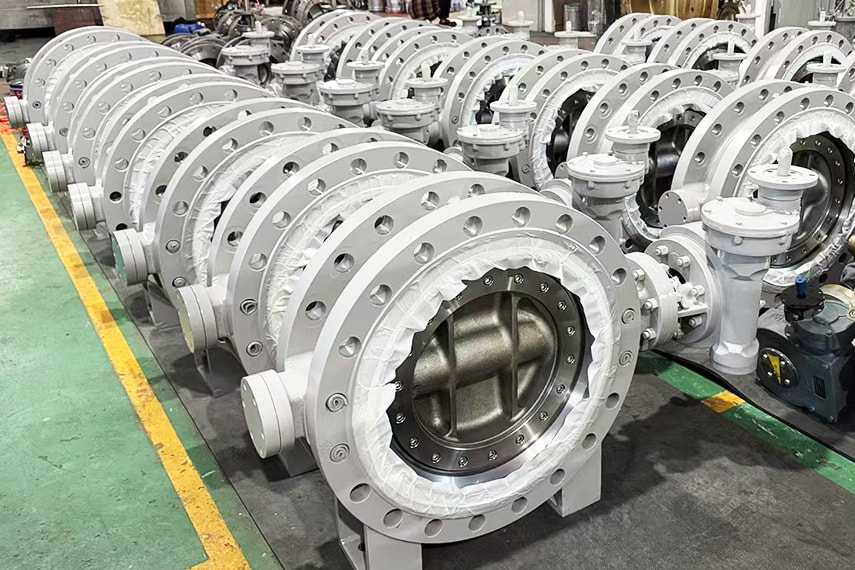
Research: When to Use Butterfly Valves?
-
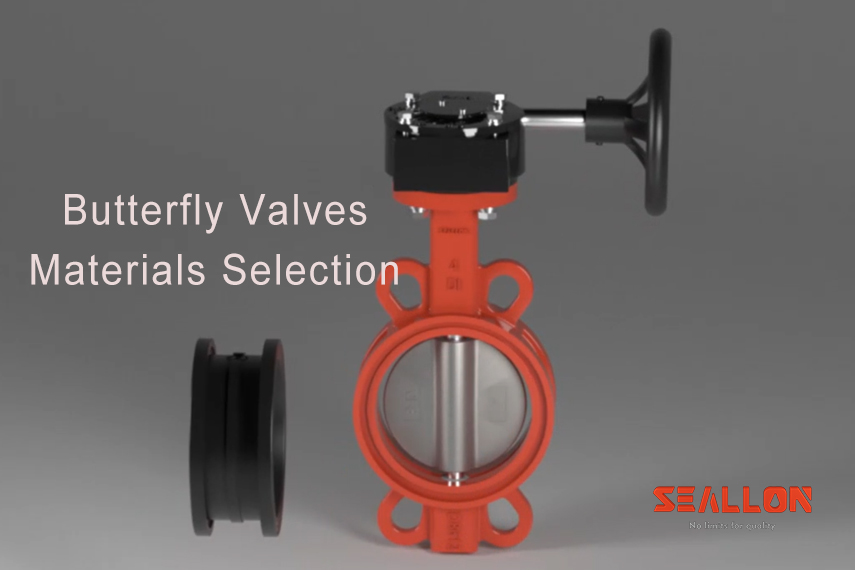
Research: How to Choose the Materials for Butterfly Valves
-
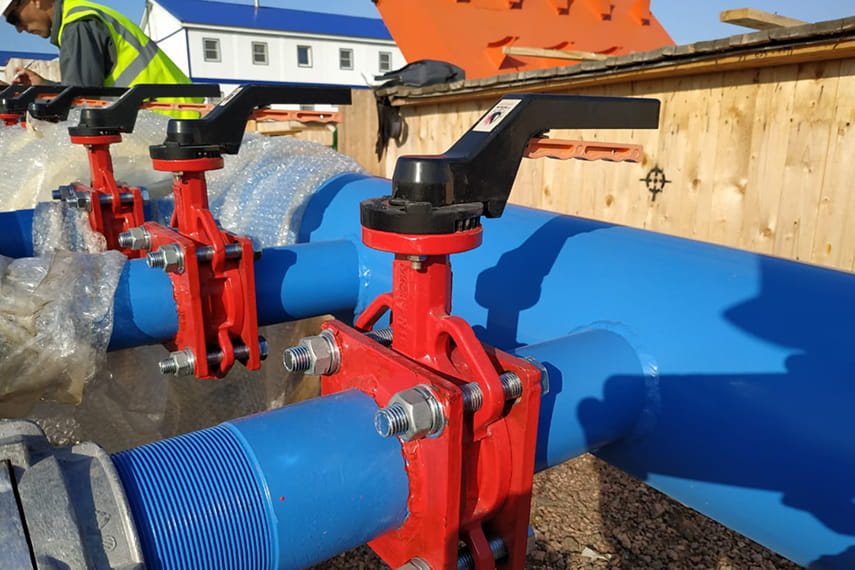
Research: Valve Maintenance Process
-
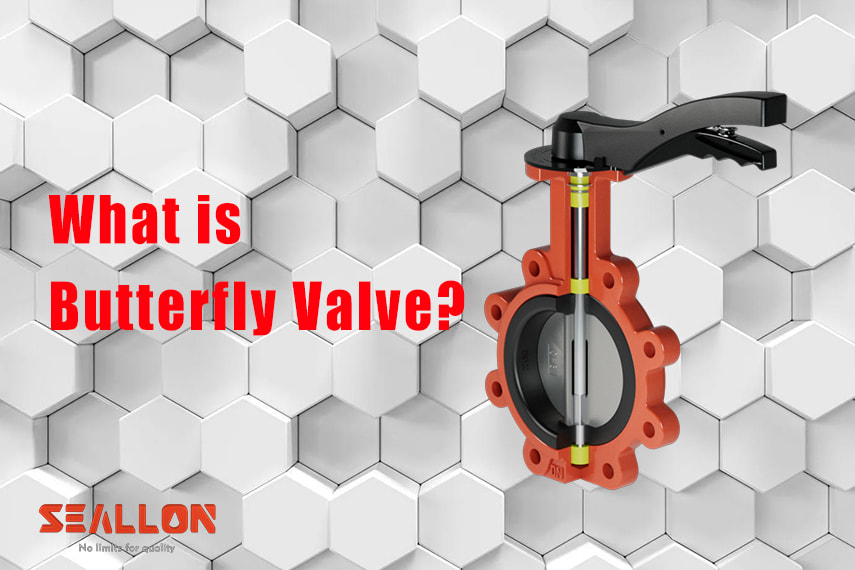
Research: Features and application of Butterfly Valves
-
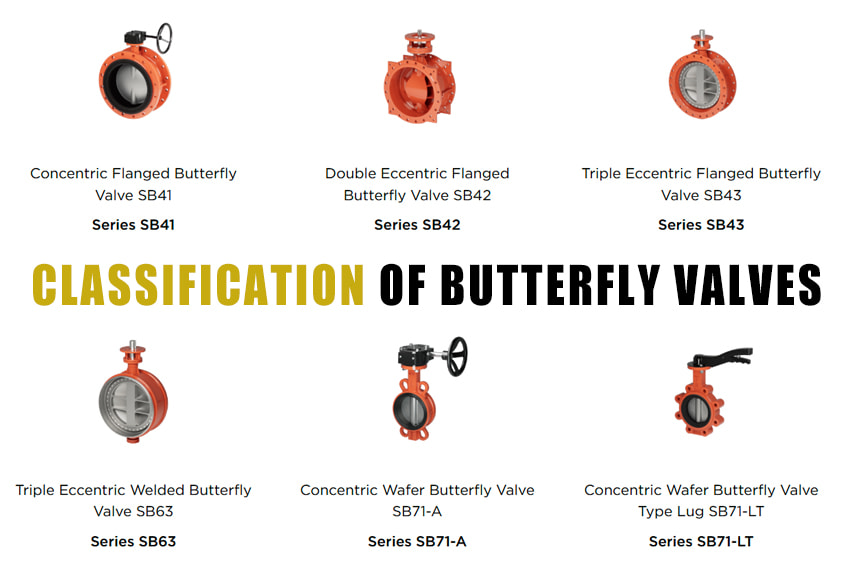
Research: What are the different types of Butterfly Valves?
-
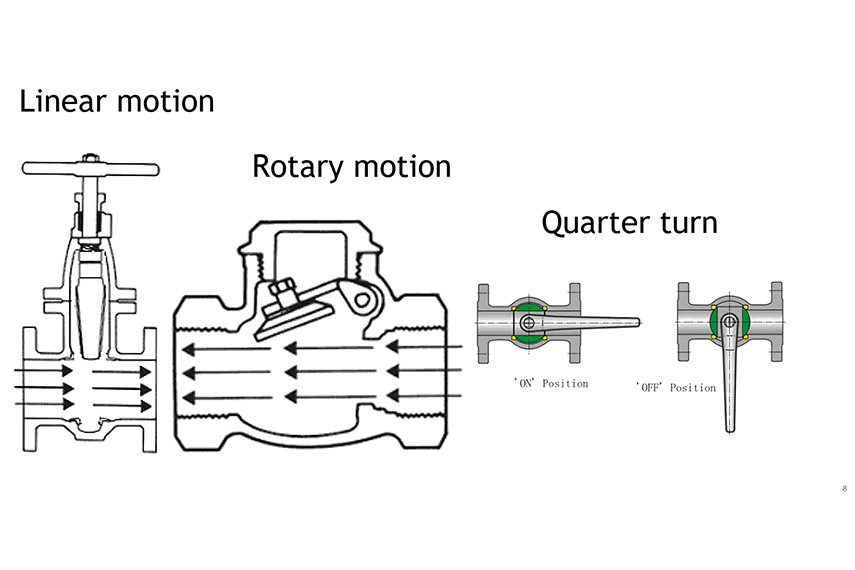
Research: What are the differences between Quarter-turn & Multi-turn valves?
-
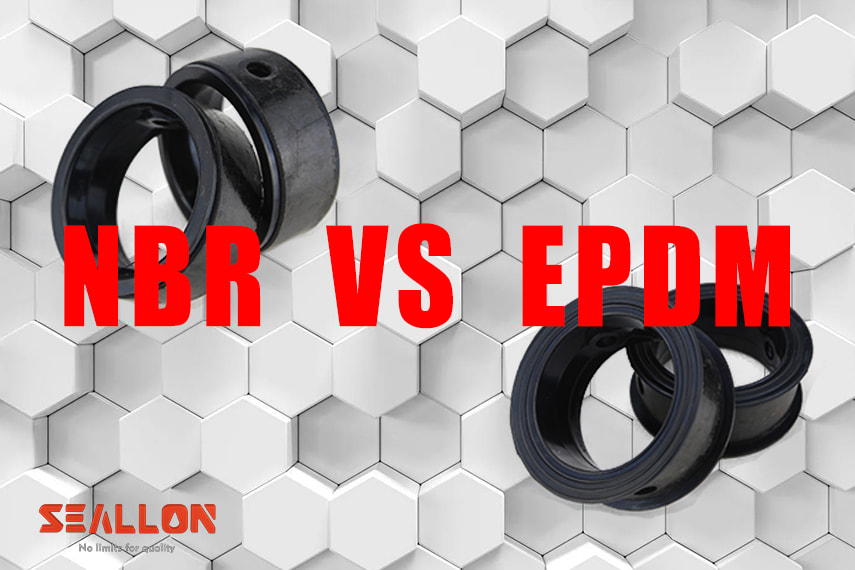
Research: What Are the Differences Between EPDM and NBR in Butterfly Valve Applications?
Submit An inquiry

© 2024 Seallon Flow Technology Co.,Ltd. All Rights Reserved