Research: What Are Wafer vs. Lug vs. Flanged Butterfly Valves?
When selecting the right butterfly valve for your piping system, one of the most common questions is:
What’s the difference between wafer, lug, and flanged butterfly valves?Each connection type offers unique advantages depending on your application’s needs for installation, pipe isolation, maintenance, and system pressure rating.
Let’s explore these three popular butterfly valve types and help you choose the right one for your system.
What Is a Wafer Butterfly Valve?
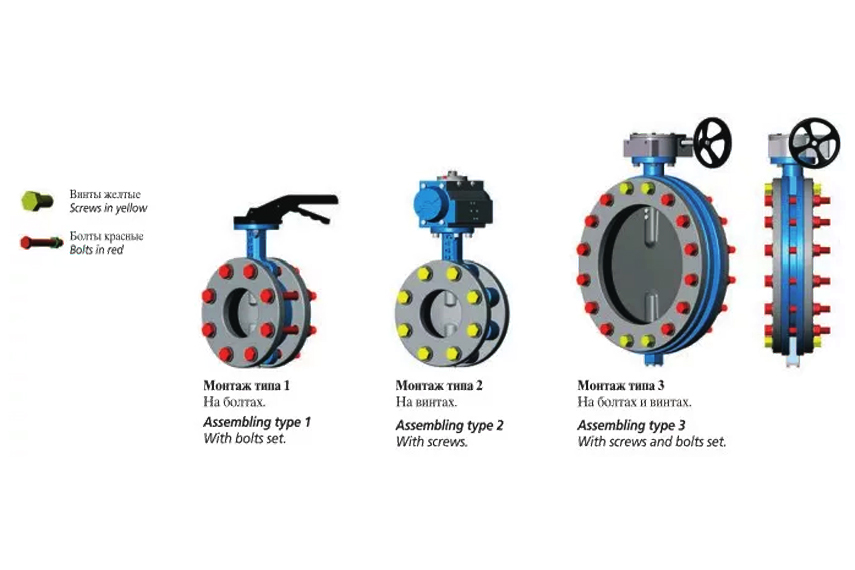
A wafer butterfly valve is the most compact and cost-effective design. It’s sandwiched between two flanges using long bolts that pass through the entire valve body and flanges.
✅Key Features:
Lightweight, simple construction
Suitable for low- to medium-pressure applications
No threaded holes; held in place by flange compression
Excellent choice for tight spaces or non-critical service
📌 Common Applications:
Water distribution
HVAC systems
Irrigation pipelines
Non-corrosive industrial fluid control
⚠️ Considerations:
Cannot isolate one side of the pipeline
Removal requires shutting down the entire system
What Is a Lug Butterfly Valve?
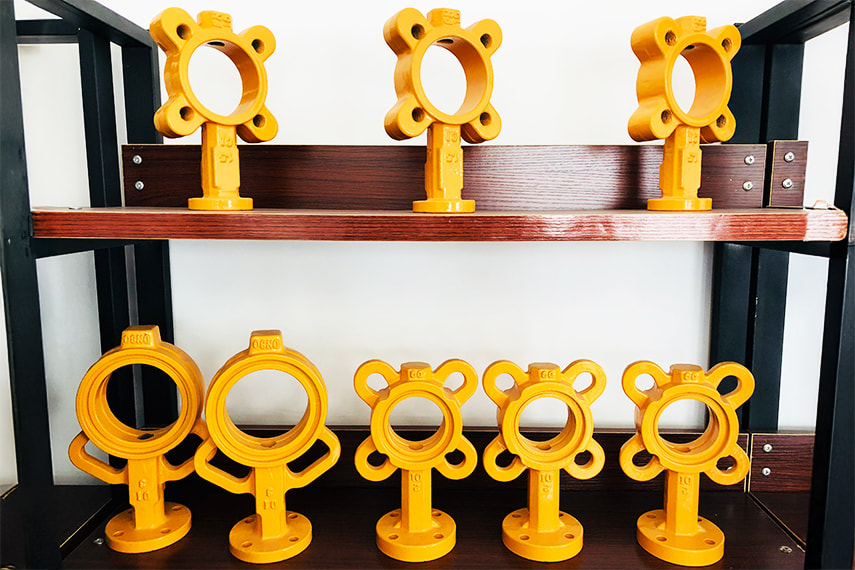
A lug-style butterfly valve features threaded inserts (lugs) on the valve body, allowing it to be bolted directly to flanges on either side, without the bolts passing through.
✅ Key Features:
Full pipe isolation possible — ideal for dead-end service
Easier to remove downstream piping without shutting down the full system
Better mechanical support for higher-pressure systems
📌 Common Applications:
Chemical and petrochemical plants
Process piping
Compressed air systems
Power generation
⚠️ Considerations:
Slightly heavier and more expensive than wafer type
Threaded bolt holes must match flange pattern
What Is a Flanged Butterfly Valve?
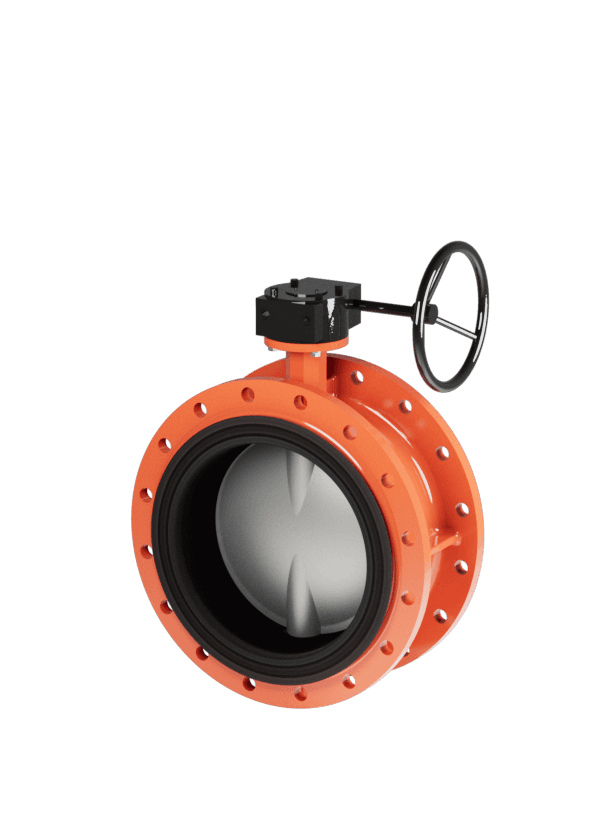
Flanged butterfly valves have integral flanges on the valve body that bolt directly to pipe flanges using standard flange gaskets.
✅ Key Features:
Strongest and most robust design
Easy to align, install, and maintain
Ideal for large-diameter pipelines and high-pressure flow
Simplifies valve replacement and tight shut-off
📌 Common Applications:
Municipal water and wastewater
Mining and slurry applications
Oil & gas transmission
High-performance industrial systems
⚠️ Considerations:
Heavier and larger face-to-face dimensions
Higher initial cost, but lower long-term maintenance risk
📊 Comparison Table: Wafer vs. Lug vs. Flanged
Feature Wafer Type Lug Type Flanged Type Installation Style Sandwiched Bolt-on threaded Bolted flange ends Pipe Isolation No Yes (one side) Yes (both sides) Dead-End Service No Yes Yes Pressure Rating Low–Medium Medium–High High Maintenance Ease Moderate Easy Easiest Common Pipe Sizes DN50–DN600 DN50–DN900 DN80–DN2000+ Application Environment General utility Industrial Heavy-duty