
-
Valve Categories
-






-
Valve Categories
-
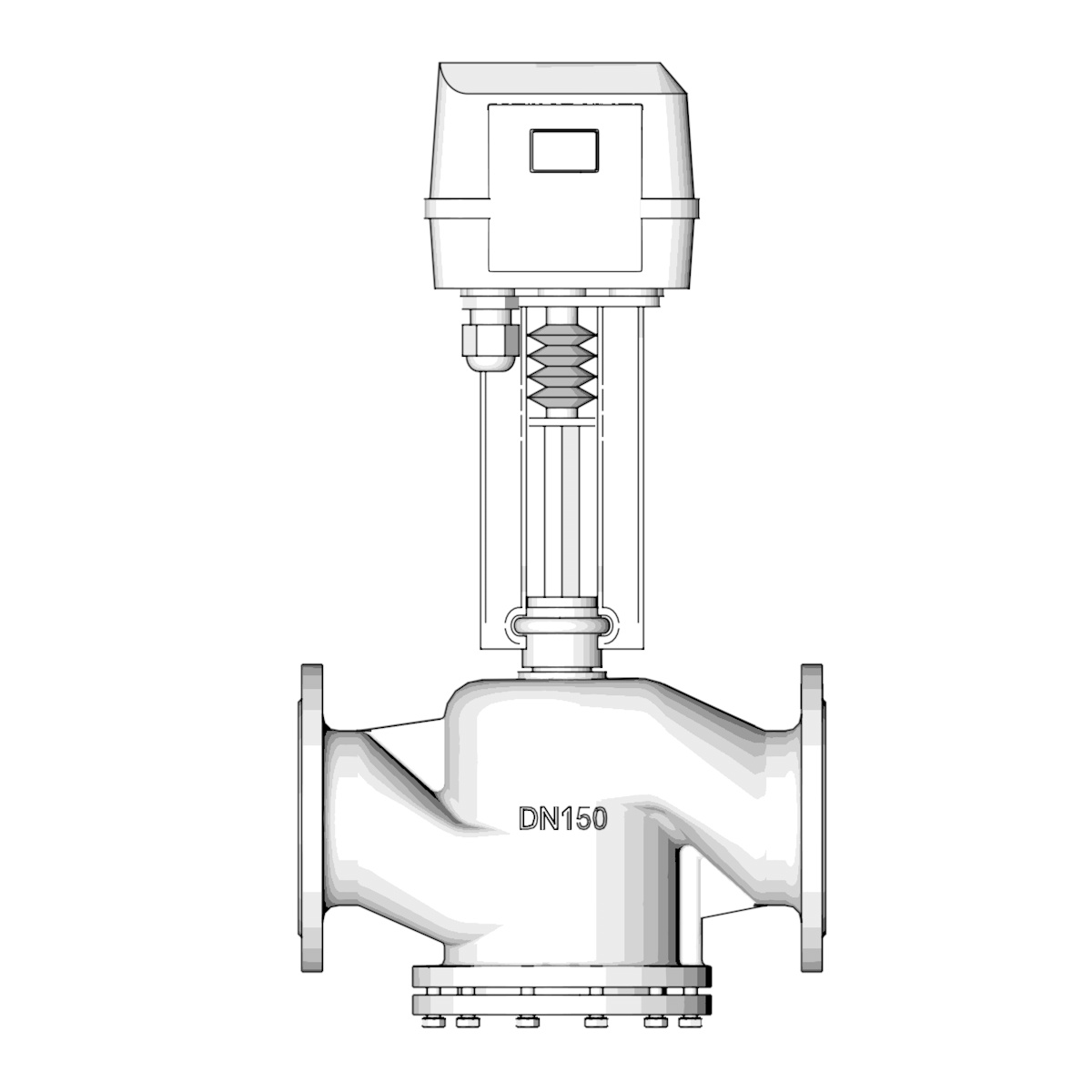
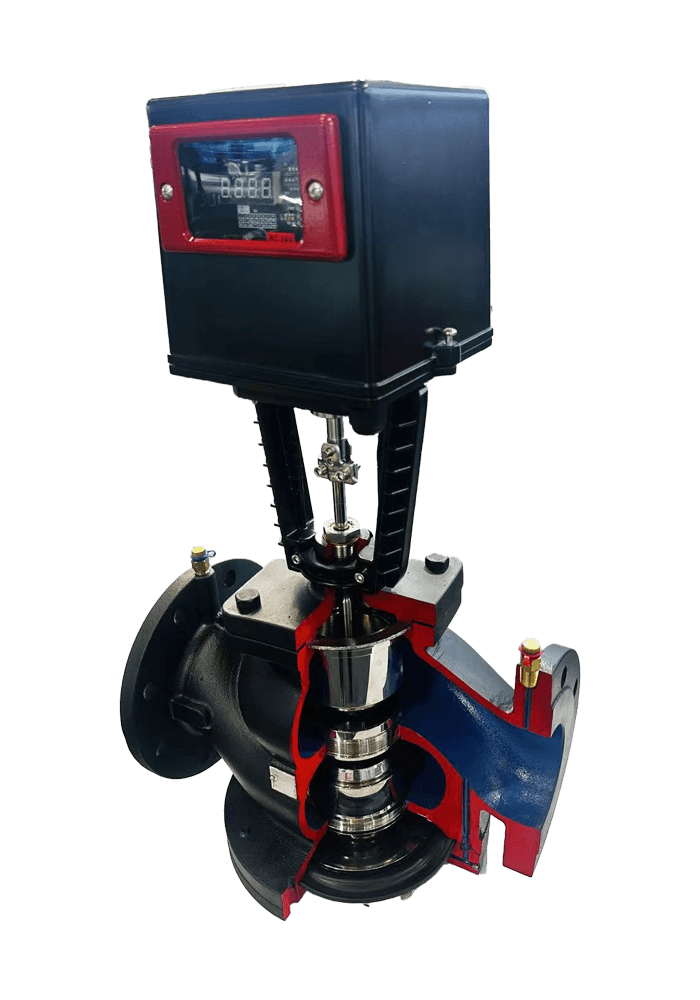
Flanged Two Way Regulating Valve SV42
DN
15~400 (1/2"~16")
PN
1.0~2.5 (Class150)
Temperature Range
0°C~120°C
Connection
Flanged
Installation Direction
Unidirectional
Design
GB/T8464
Face to Face
GB/T12221, ASME B16.10
Flange Drilling
GB/T9113, ASME B16.5, EN1092, GOST12820, GOST33259
Top Connection
GB/T12222
Inspection
ISO5028, API598, GB/T13927, JB/T5296
Body Materials
GGG40, GGG50
Disc Materials
GGG40, GGG50, 304, 316
Stem Materials
304, 316
Sealing Materials
EPDM, Viton

Features & Benefits
SV42 is mainly used for temperature control of low, medium, and high pressure hot water, steam, and lubricating oil systems. This valve is used in conjunction with temperature and pressure regulators for home heating, district heating, industrial production processes, or control systems for ship installations. By configuring intelligent module control devices, it is easy to automatically control the flow and temperature of each loop, achieving rational energy utilization, energy conservation, and intelligent management. The application of this valve terminal device is only affected by standard control signals and not by system pressure fluctuations, making system regulation more stable and energy-efficient, especially suitable for variable flow systems with large changes in system load.
1. Stability: The flow changes of end devices are not affected by system pressure fluctuations, and the flow changes do not interfere with each other;
2. Energy saving: 15-40% more energy-efficient than traditional systems;
3. Efficiency: greatly reduces debugging time, and the system runs with high efficiency;
4. Accuracy: Higher temperature regulation accuracy, more convenient than traditional variable flow systems;
5. The driver has a straight stroke and good interchangeability;
6. Flow characteristic curve: straight line/equal percentage;
7. The flow error shall not exceed 5%.
1. Stability: The flow changes of end devices are not affected by system pressure fluctuations, and the flow changes do not interfere with each other;
2. Energy saving: 15-40% more energy-efficient than traditional systems;
3. Efficiency: greatly reduces debugging time, and the system runs with high efficiency;
4. Accuracy: Higher temperature regulation accuracy, more convenient than traditional variable flow systems;
5. The driver has a straight stroke and good interchangeability;
6. Flow characteristic curve: straight line/equal percentage;
7. The flow error shall not exceed 5%.
Industry Options
| Materials | Characteristics | Low Temp. ℃ | High Temp. ℃ | Recommended ℃ |
| EPDM | Aging resistance, ozone resistance, corrosion resistance | -40 | 125 | -25~110 |
| HT EPDM | Aging resistance, ozone resistance, corrosion resistance, heat resistance | -40 | 150 | -25~135 |
| FPM (Viton) | Chemical and most oils resistance, (except ketones & esters) | -20 | 200 | -5~150 |
| PTFE | Heat, cold, acid, alkali, organic solvents resistant | -60 | 180 | -45~150 |
Dimensions

RELATED CASE
-
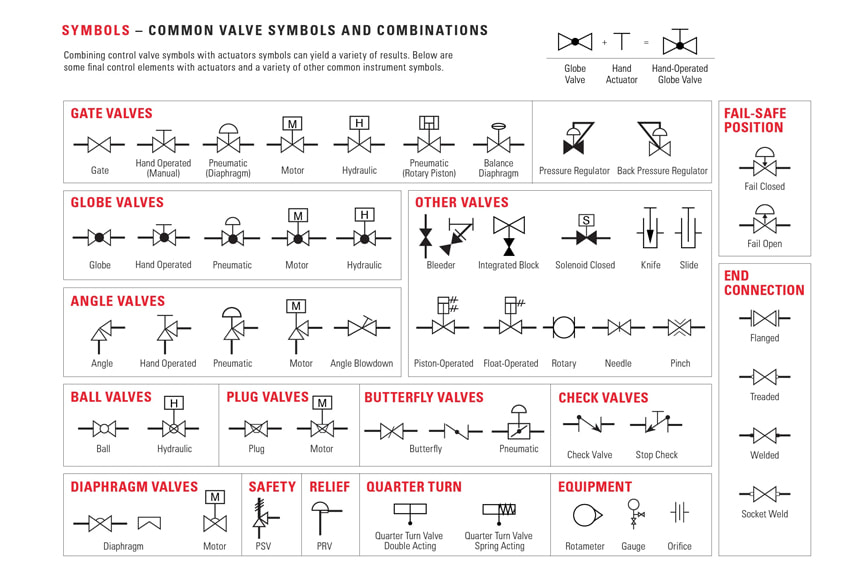
Research: Common Valve Symbols and Main Functions in Piping and Instrumentation Diagrams (P&IDs)
-
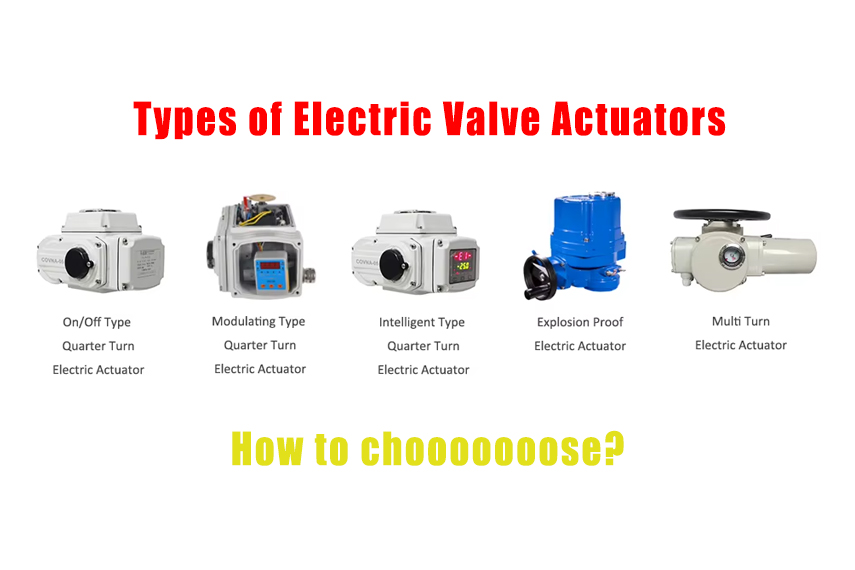
Research: What Types of Electric Valve Actuators Are There?
-
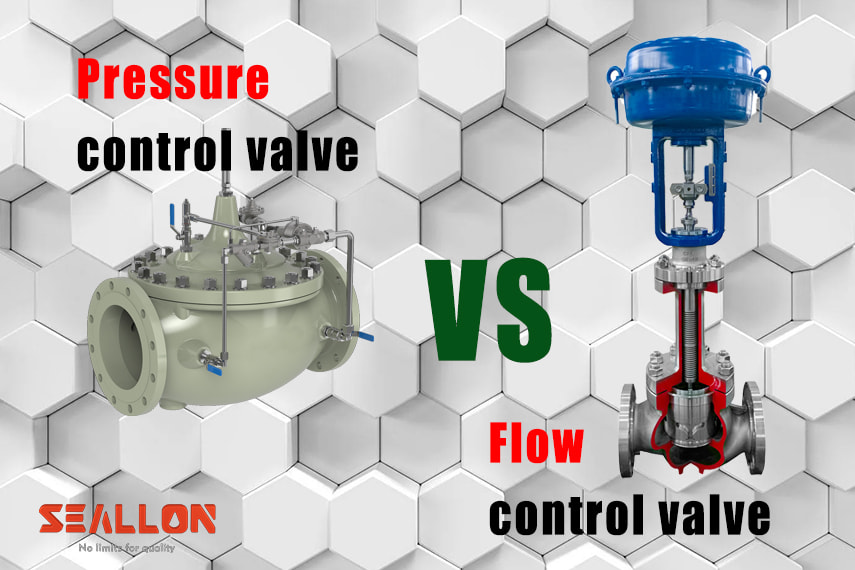
Research: What’s the Difference Between a Pressure Control Valve and a Flow Control Valve?
-
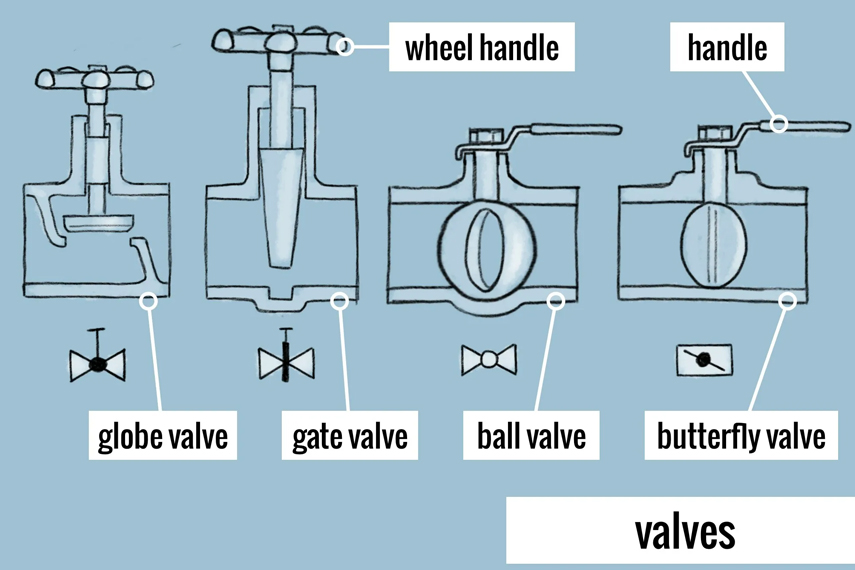
Research: What are the differences between Linear (direct-acting) valves and rotary (angle-acting) valves?
-
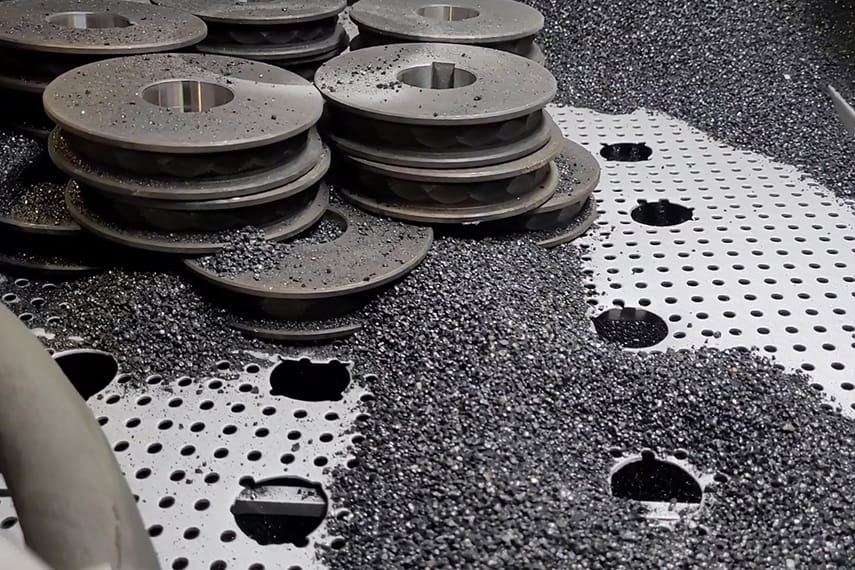
Research: Why do valves need Shot Peening?
-
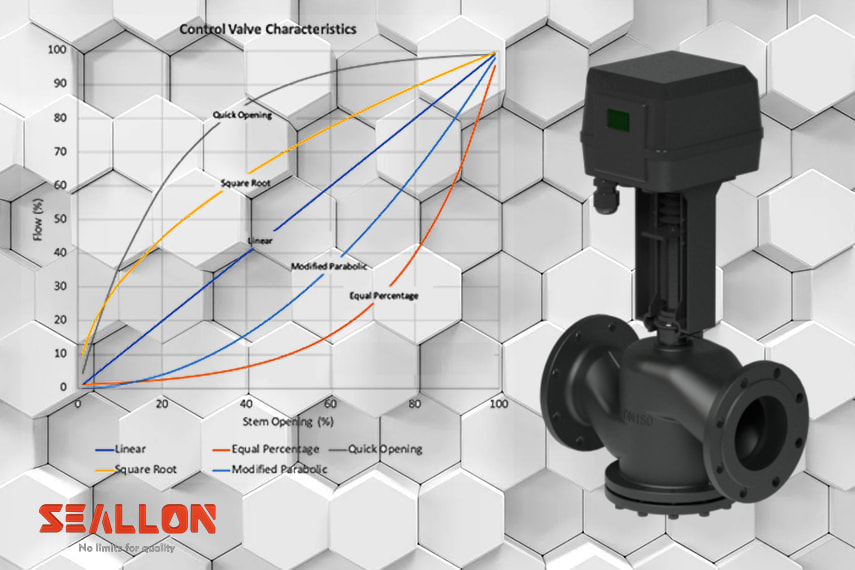
Research: What is the Cv value of the HVAC control valve related to?
Submit An inquiry

© 2024 Seallon Flow Technology Co.,Ltd. All Rights Reserved