Research: What’s the Difference Between a Pressure Control Valve and a Flow Control Valve?
🧭 What Is a Pressure Control Valve?
A pressure control valve maintains a set pressure within a system — either upstream or downstream — regardless of the flow rate.
Types of Pressure Control Valves:
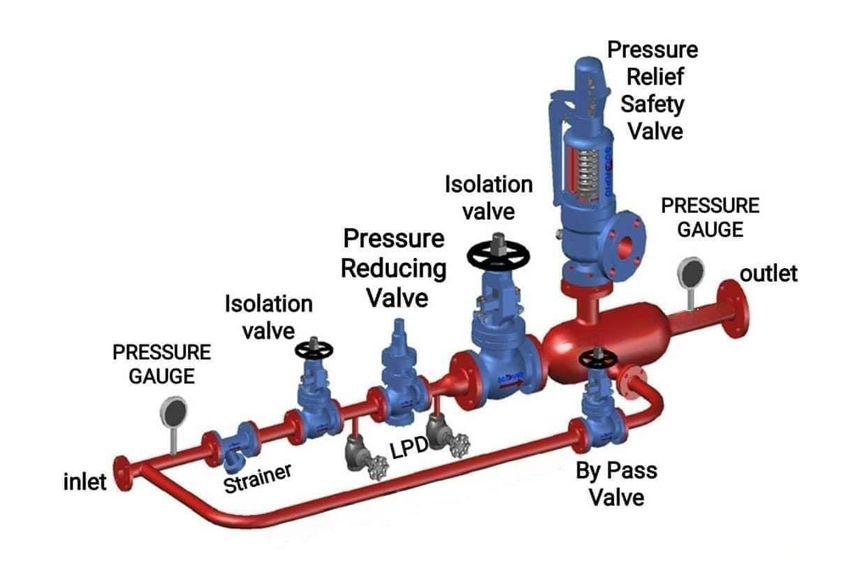
Pressure Relief Valve (PRV) – Opens to relieve excess pressure
Pressure Reducing Valve (PRV) – Lowers downstream pressure
Back Pressure Valve – Holds back pressure to maintain system balance
✅ Key Functions:
Prevent over-pressurization
Protect pumps, pipelines, and components
Ensure safe and stable system operation
🚦 What Is a Flow Control Valve?
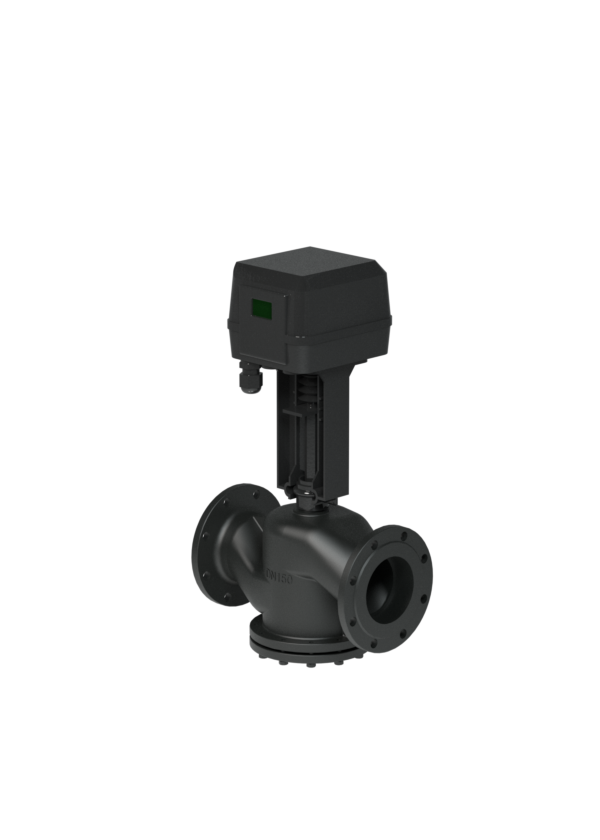
A flow control valve regulates the rate of fluid flow in a pipeline — ensuring that a specific volume of fluid passes through per unit of time (e.g., gallons per minute or liters per second).
Types of Flow Control Valves:
Needle Valve – Precise adjustment for low flow
Globe Valve – Suitable for modulating service
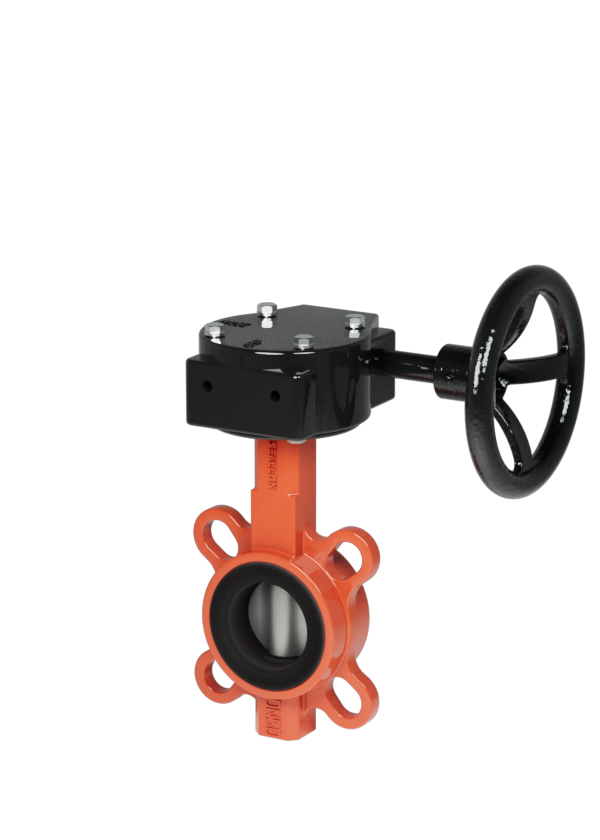
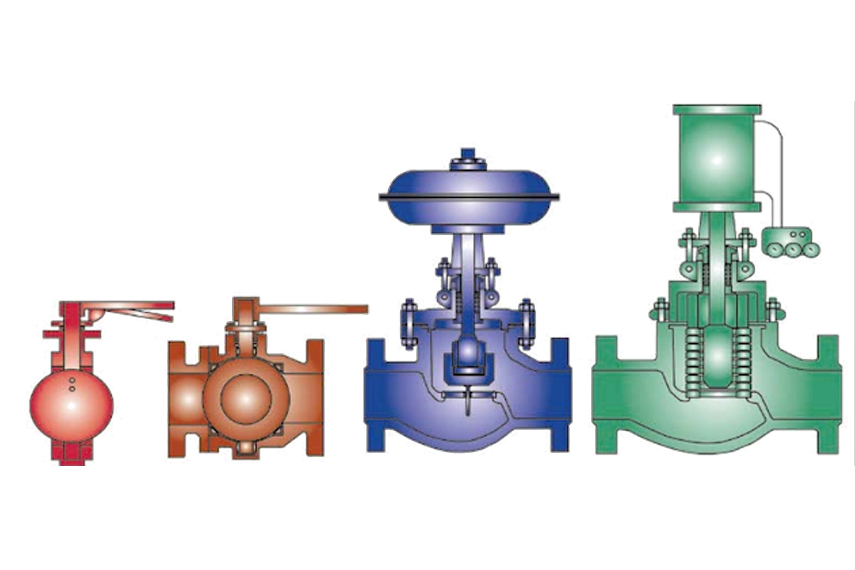
Butterfly Valve – Common in modulating flow control applications
Orifice Valve – Fixed flow based on orifice size
✅ Key Functions:
Maintain system efficiency
Balance flow across branches
Enable accurate dosing or mixing
📊 Pressure vs. Flow Control Valve Comparison
Feature Pressure Control Valve Flow Control Valve Purpose Maintains set pressure Controls fluid flow rate Main Function Relieves or reduces pressure Throttles flow volume Valve Types PRV, relief valve, back pressure valve Needle, globe, butterfly, ball (limited) Typical Control Upstream/downstream pressure sensing Valve disc or orifice position Automation Integration Pressure sensors & PID controllers Flow meters & modulating actuators Application Examples Steam lines, pump stations, gas pipelines Water loops, dosing systems, HVAC branches
🧠 Conclusion
Pressure control valves and flow control valves play distinct yet complementary roles in fluid systems.
Use a pressure control valve to maintain or reduce system pressure.
Use a flow control valve — such as a modulating butterfly valve — to regulate the volume of flow.