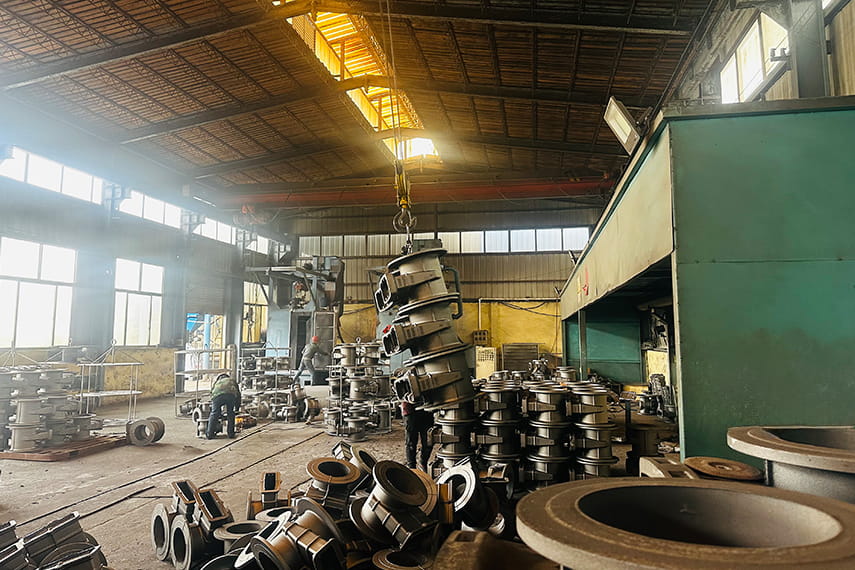
Research: Why do valves need Shot Peening?
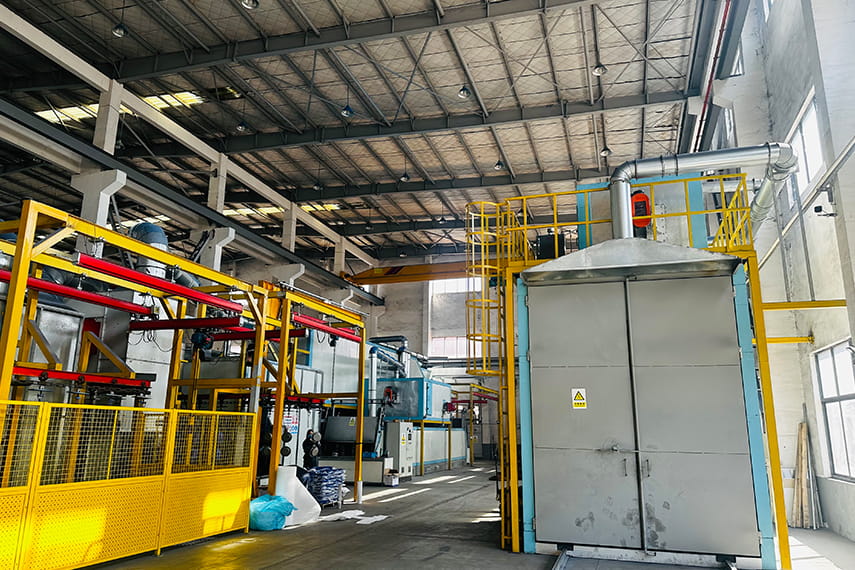
Shot Peening is a surface treatment process in which small particles (typically steel balls, glass beads, or other hard particles) are blasted at high velocity onto the surface of a valve, creating compressive stresses to improve its mechanical properties. This process is mainly used to enhance the valve’s fatigue strength, crack resistance, wear resistance, and corrosion resistance.
Shot peening is a physical strengthening technique widely used for valve components that undergo high impact and heavy loads.
Functions of Shot Peening for Valves
1.Improves Fatigue Strength:
Shot peening creates compressive stresses on the valve’s surface, which enhances its fatigue strength. Valves are often subjected to frequent opening and closing, pressure fluctuations, and other stresses during operation, which can lead to the formation of surface microcracks and cause fatigue failure. By introducing compressive stress, shot peening effectively suppresses the initiation and propagation of cracks, significantly extending the valve’s service life.
2.Enhances Crack Resistance:
The compressive stresses generated by shot peening help increase the valve’s resistance to crack propagation. When microcracks are present on the surface, the compressive stress layer prevents the cracks from growing further, improving the valve's fracture toughness. This is particularly important for valves subjected to high pressure and frequent cycling.
3.Increases Wear Resistance:
Shot peening increases the hardness of the valve surface, especially for components that undergo friction and wear, such as valve seats and valve stems. By forming a compressive stress layer on the surface, shot peening significantly improves the valve’s wear resistance, helping to reduce wear during operation and maintain its performance over time.
4.Reduces Surface Defects and Microcracks:
Surface defects or microcracks can occur during manufacturing, processing, or operation of the valve. Shot peening can physically smooth out these defects, improving surface quality. This is particularly beneficial for cast or forged components, as shot peening helps remove burrs and reduces the risk of cracking, enhancing the overall reliability of the valve.
5.Improves Surface Roughness:
Shot peening can also improve the surface roughness of the valve, providing a smoother surface. This is particularly important for valves that require tight sealing (such as ball valves, butterfly valves, etc.), as a smoother surface helps to reduce the possibility of leaks and improve sealing performance.
6.Enhances Corrosion Resistance:
The compressive stress layer formed by shot peening can also help improve the valve’s corrosion resistance. This is particularly beneficial in environments with moisture, acidic conditions, or salt exposure. The hardened surface can extend the valve's service life by improving its resistance to corrosive elements.
7.Improves Material Uniformity:
For certain valve materials, shot peening can reduce surface and internal material inconsistencies, improving the overall uniformity of the material. This treatment enhances the valve's overall performance and stability, particularly when subjected to impacts or cyclic loads.
Advantages of Shot Peening
-Pollution-Free Process: Unlike some chemical treatment methods, shot peening is a physical surface enhancement process that does not involve the use of chemicals, thus eliminating chemical pollution issues.
-Wide Applicability: Shot peening can be applied to valves made from a variety of materials, including cast iron, cast steel, alloy steel, and stainless steel.
-Cost-Effective: Shot peening is relatively low-cost and can significantly improve the performance of the valve, making it suitable for large-scale production.
Common Applications of Shot Peening
Valve Seats and Valve Stems: Particularly useful for components that require high wear resistance and fatigue strength, such as valve seats and valve stems.
High Load Components: Such as high-pressure ball valves, gate valves, control valves, and others that experience significant impact and friction during operation.
Cast or Forged Steel Valves: Shot peening can help remove surface defects, microcracks, and improve surface quality and strength, especially in cast or forged valve components.
Summary
Shot peening for valves significantly enhances surface fatigue strength, crack resistance, wear resistance, and corrosion resistance by introducing compressive stresses on the valve surface. This process is especially beneficial for components that are exposed to high loads, frequent operation, and impact forces. It is widely used in the valve industry, particularly in high-pressure, high-frequency applications, to extend the service life and improve the reliability of valves. Shot peening is an efficient, cost-effective, and environmentally friendly surface treatment method suitable for a wide range of materials and applications.