
-
Valve Categories
-






-
Valve Categories
-
Butterfly Damper SB40
DN
200~2400 (8"~96")
PN
0.01~1.0
Temperature Range
-59°C~850°C
Connection
Wafer, Flanged, Welded
Installation Direction
Unidirectional, Bidirectional
Design
JB/T8527
Face to Face
GB/T12221, BS EN558-1, By requested
Flange Drilling
GB/T9113, ASME B16.5, EN1092, GOST12820, GOST33259, DIN2501
Top Connection
ISO5211, GOST55510
Inspection
GB/T13927, ISO5028, API598, JB/T9092
Body Materials
WCB, LCC, LC1, WC6, CF8, CF8M, 321, 316Ti, 904L, 310S
Disc Materials
WCB, LCC, LC1, WC6, CF8, CF8M, 321, 316Ti, 904L, 310S
Stem Materials
420, 17-4PH, 304, 316, 321, 310S
Seat Materials
None, Fabric+fiberglass
Features & Benefits
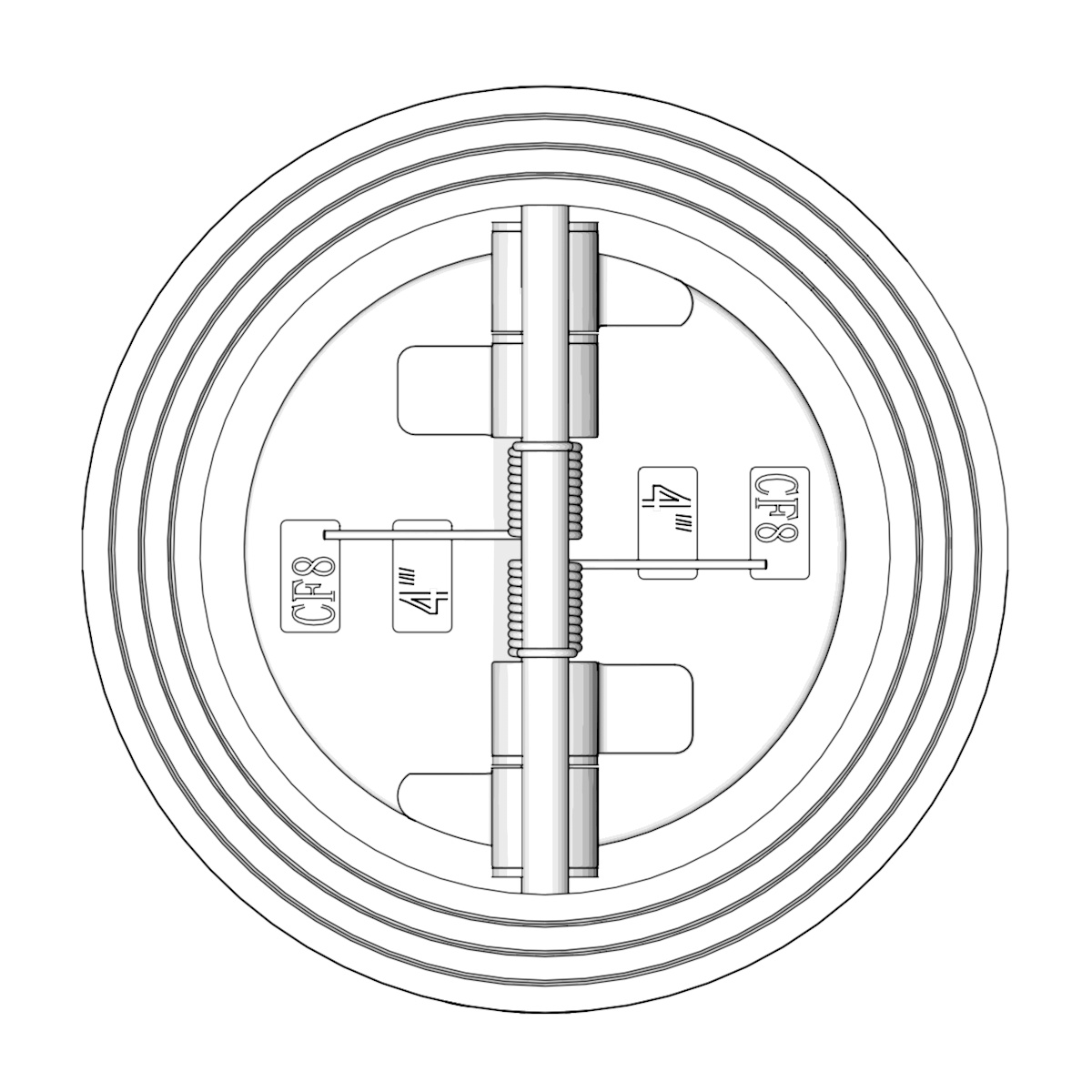
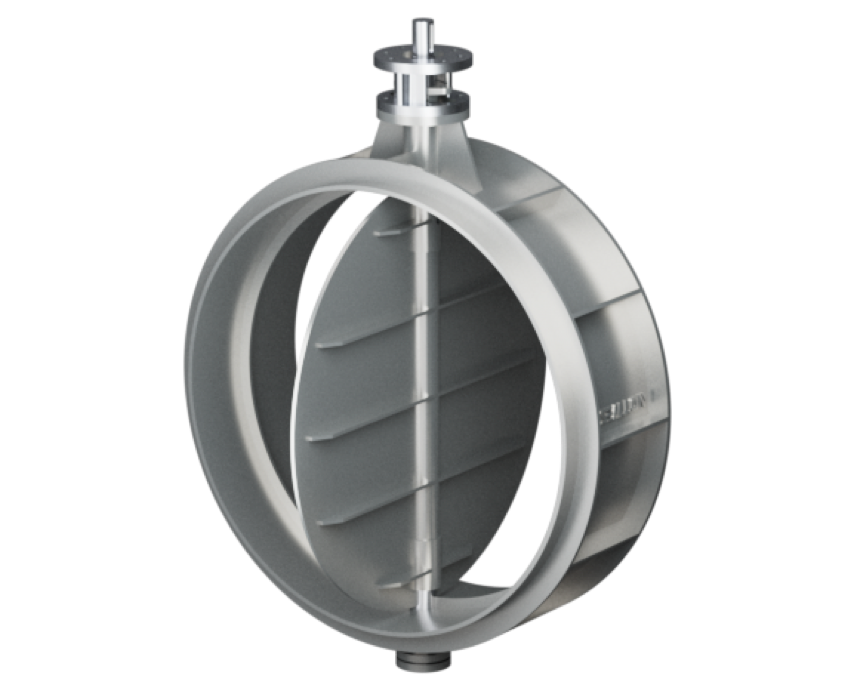
SB40 is a butterfly damper with connection of wafer, flanged or welded for assembly between flanges on gas conduit systems. The standard model is designed for operation at pressures of 0.01~1.0 Mpa, with recommended speeds of below 30 m/s and temperatures -59~850 ºC. It is a relatively air tight valve with a closing degree of between 90% and 99% which can reach 100% if an additional disc sealing is included. The standard model of these dampers is designed so that the assembly is carried out in such a way that the drive shaft always remains in a horizontal position, although there is an option of assembly with the shaft in vertical position on request.
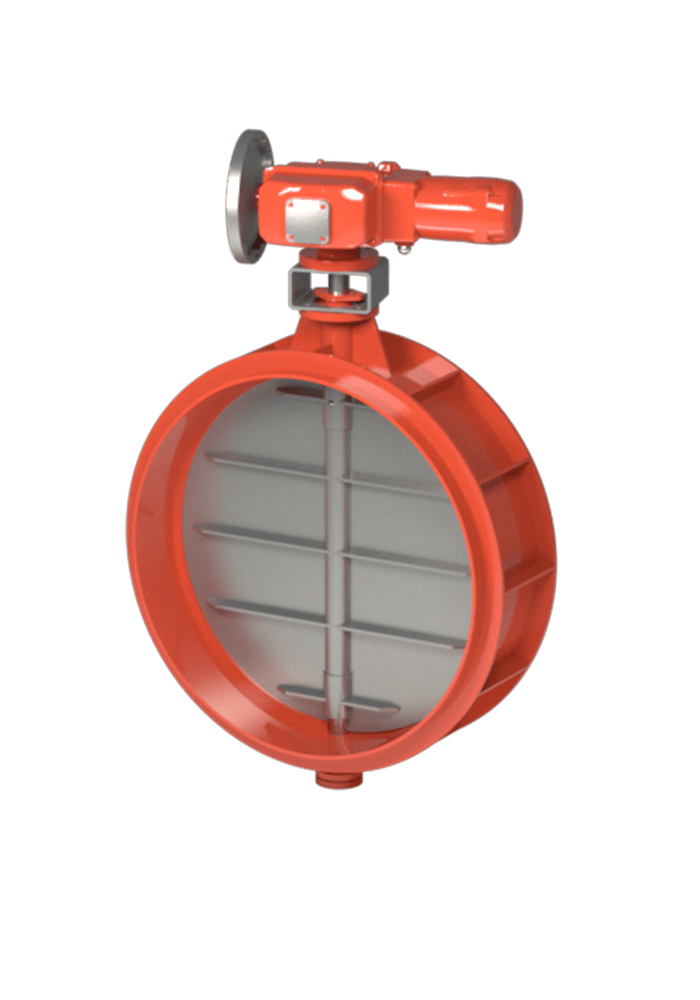
The body of the butterfly dampers is a fabricated construction which can be made of different materials.
The butterfly disc is constructed flat, with reinforcing ribs and is supported on two semi shafts. The flat disc system is sufficiently rigid for the operational pressures of these valves and it does not have significant losses.
The butterflies have two types of seal design which depends on its application: swing (closure from 90 to 97%) for environments with dust concentrations (less than 1000 mg/Nm3); and the tight seat (closure of 99%) suitable for other applications requiring a high level of air tightness.
We can also supply the additional bearings situated on the outside and separated from the packing. So that they are kept away from sources of heat and corrosion, thus lengthening their useful life. This system also allows for the changing of the packing without having to remove the bearing, which will make future maintenance tasks easier.
The body of the butterfly dampers is a fabricated construction which can be made of different materials.
The butterfly disc is constructed flat, with reinforcing ribs and is supported on two semi shafts. The flat disc system is sufficiently rigid for the operational pressures of these valves and it does not have significant losses.
The butterflies have two types of seal design which depends on its application: swing (closure from 90 to 97%) for environments with dust concentrations (less than 1000 mg/Nm3); and the tight seat (closure of 99%) suitable for other applications requiring a high level of air tightness.
We can also supply the additional bearings situated on the outside and separated from the packing. So that they are kept away from sources of heat and corrosion, thus lengthening their useful life. This system also allows for the changing of the packing without having to remove the bearing, which will make future maintenance tasks easier.
Industry Options
| Materials | Characteristics | Low Temp. ℃ | High Temp. ℃ | Recommended ℃ |
| Ceramic fiber | Fire, high temperature resistance, low thermal conductivity | -196 | 1050 | -60~950 |
| Metal to metal | High temperature, high pressure, wear, corrosion resistance | Refer to the metal material | ||
Dimensions
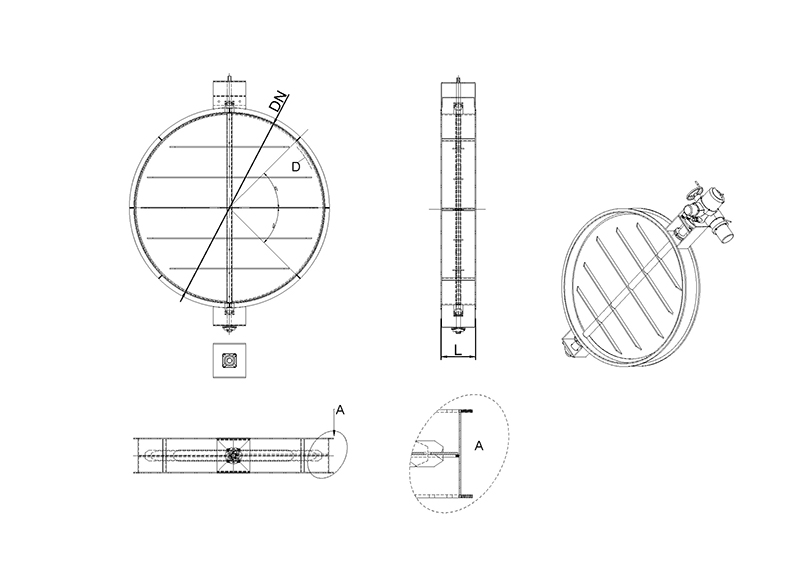
Customization of standard and non-standard sizes is accepted.
RELATED CASE
-
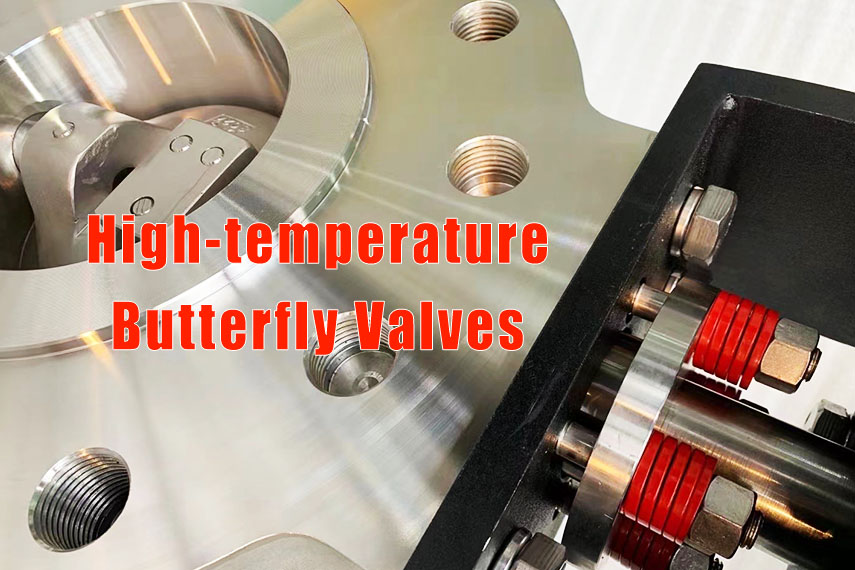
Research: High-Temperature Butterfly Valves: Selection and Manufacturing Guide
-
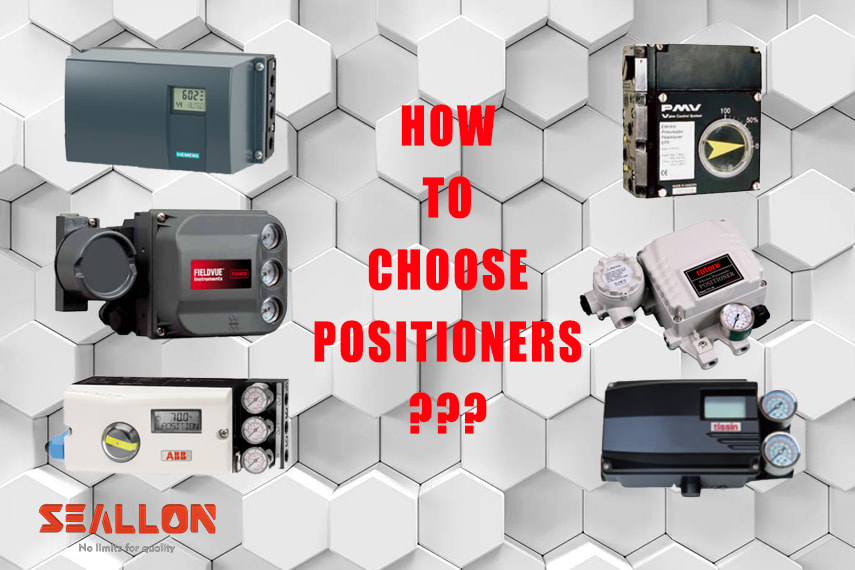
Research: Valve Positioner Comparison Table (Siemens / Emerson / ABB / Rotork / Flowserve / Tissin)
-
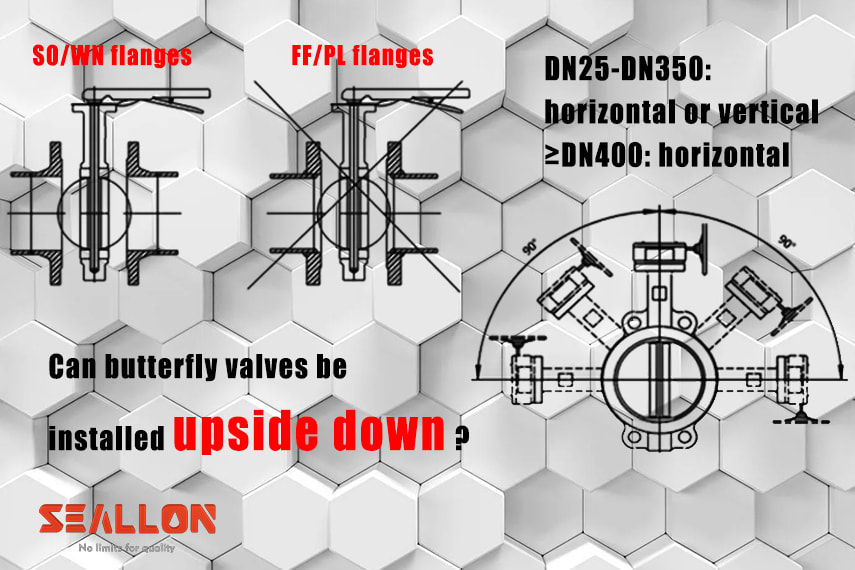
Research: Can Butterfly Valves Be Installed Upside Down?
-
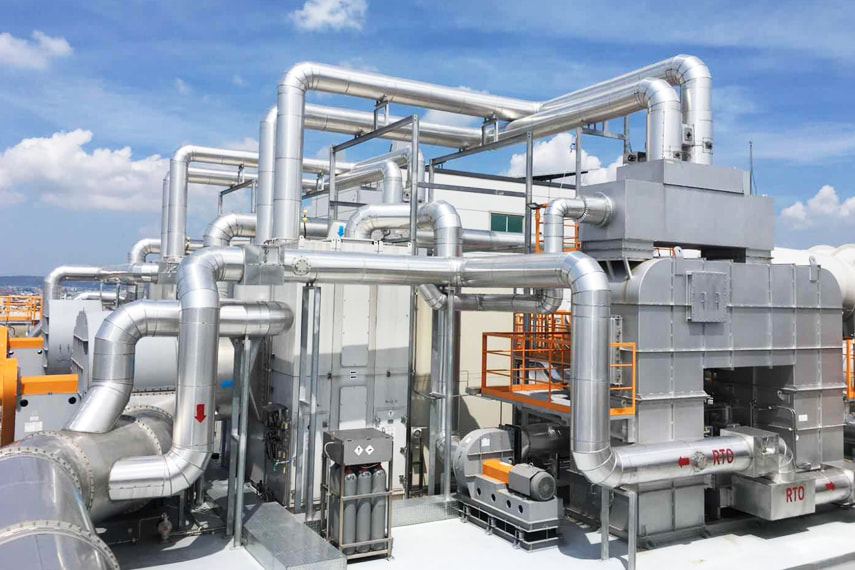
Butterfly dampers SB40 were supplied for the Thermal Power Plant in Kuznetsk
-
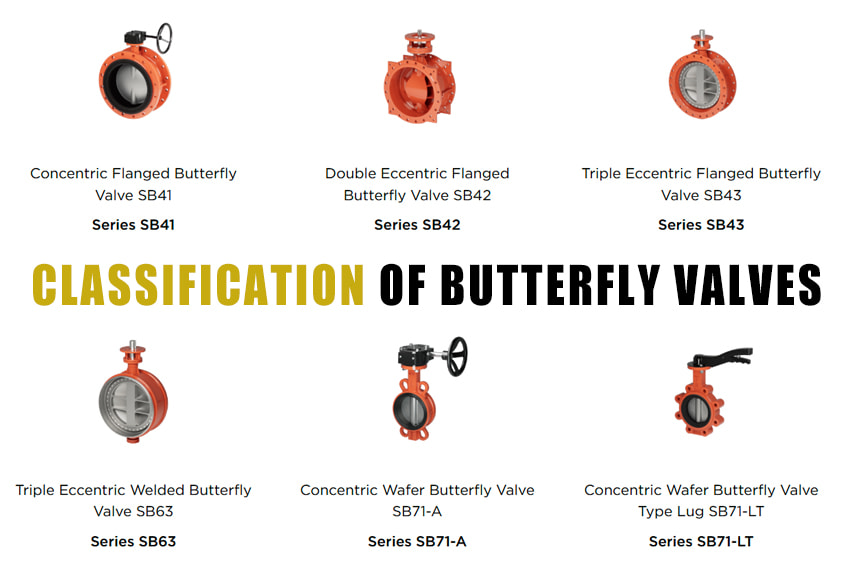
Research: What are the different types of Butterfly Valves?
-
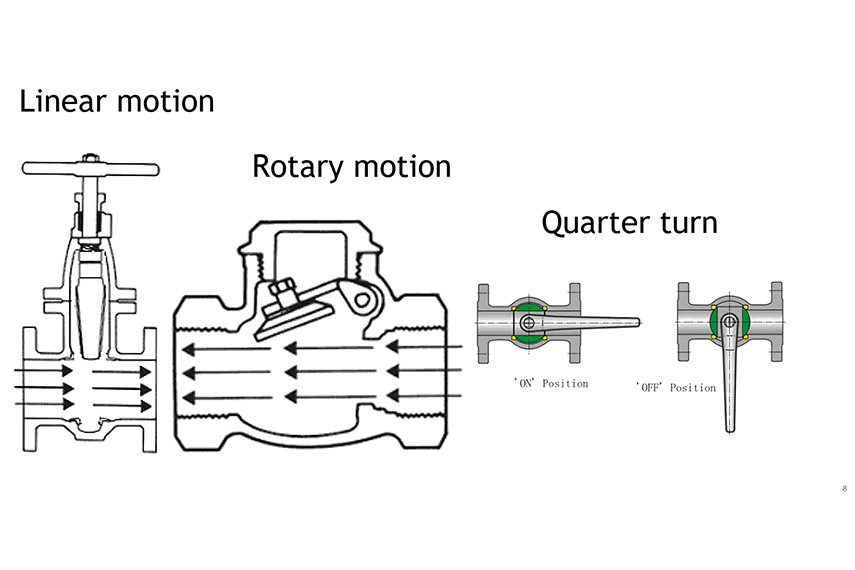
Research: What are the differences between Quarter-turn & Multi-turn valves?
-
Research: Why do valves need heat treatment?
-
Research: Why do valves need sandblasting treatment?
Submit An inquiry

© 2024 Seallon Flow Technology Co.,Ltd. All Rights Reserved