Research: Why do valves need sandblasting treatment?
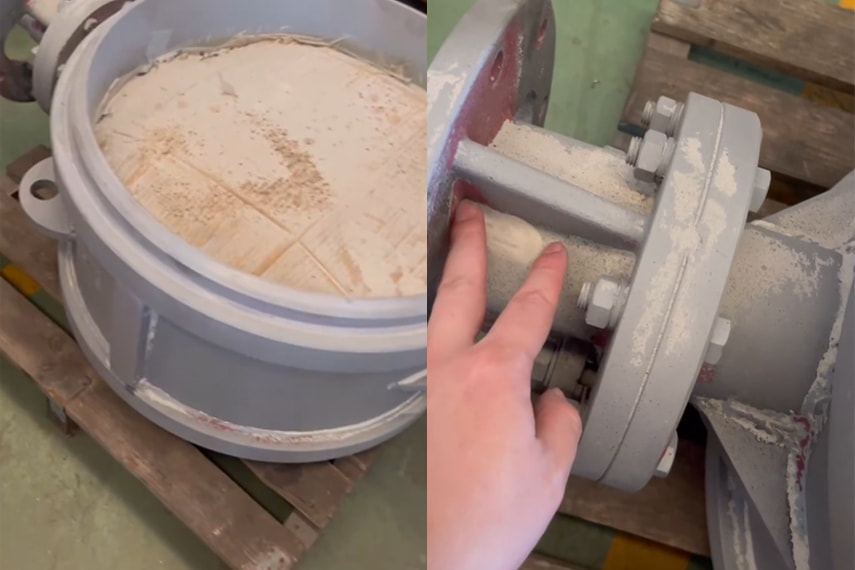
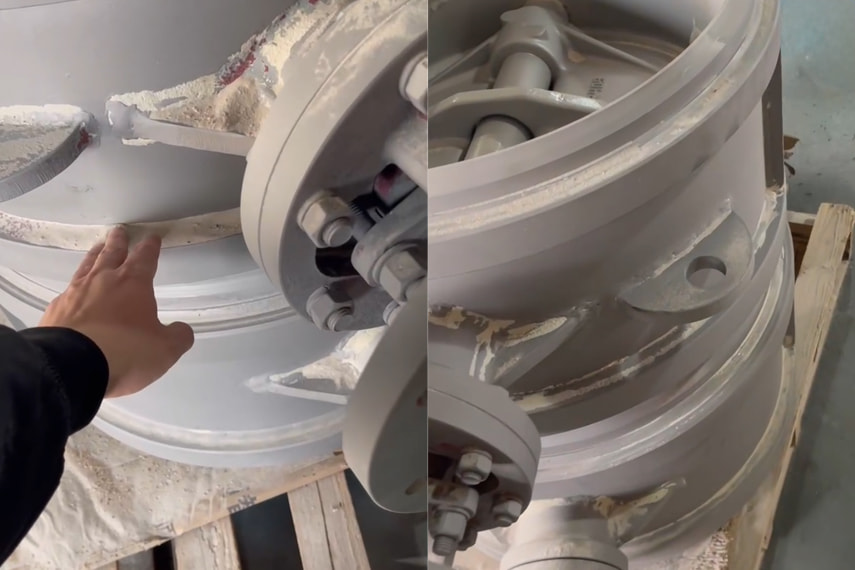
Sandblasting, also known as abrasive blasting, is a common surface treatment method used in valve manufacturing and maintenance. It involves blasting high-velocity sand particles (such as quartz sand or glass beads) onto the valve surface to remove dirt, oxidation, rust, or other impurities, improving the surface quality and finish.
Here are the main reasons why valves undergo sandblasting:
1. Removal of Surface Contaminants and Impurities
Sandblasting is highly effective in cleaning the surface of valves, removing oil, dirt, rust, oxidation layers, casting sand, welding residues, stains, and other contaminants. This is crucial for subsequent processes such as painting, welding, or other surface treatments, ensuring high-quality processing and finish.
2. Improvement of Surface Roughness
Sandblasting can alter the surface roughness of the valve, making it more uniform. By selecting appropriate blasting media and pressure, the surface roughness can be controlled to meet specific requirements. For valves that require good sealing performance, improving surface roughness can enhance sealing efficiency, reducing the risk of leakage.
3. Enhancing Coating Adhesion
After sandblasting, the surface of the valve develops a certain level of roughness, which increases the bonding surface area for coatings or anti-corrosion paints. This rough surface enhances the adhesion between the coating and the valve, preventing the coating from peeling off or bubbling, and ensuring better corrosion resistance under harsh environmental conditions.
4. Relieving Surface Stresses
During the casting or welding process of a valve, surface stresses can accumulate due to uneven cooling or stress concentration. Sandblasting helps relieve some of these surface stresses, reducing the risk of cracks or other defects that might occur due to stress, thus improving the strength and reliability of the valve.
5. Increasing Surface Hardness (In Some Cases)
In some cases, sandblasting can increase the surface hardness of the valve. By the impact of high-speed abrasive particles, a compressive stress is generated on the surface, which can improve wear resistance and corrosion resistance, particularly for valves exposed to high wear conditions.
6. Removal of Welding Marks
In the manufacturing of valves, welding is a common process. Welding can leave marks, weld seams, slag, and pores, which not only affect the appearance but can also compromise valve performance and sealing. Sandblasting can effectively remove these welding marks, making the surface smoother and more uniform, thus improving both the appearance and functionality of the valve.
7. Improving Appearance
Sandblasting can also be used to improve the aesthetic appearance of a valve by creating a more uniform, smooth surface. For valves with high aesthetic requirements (such as decorative valves or those used in visually demanding applications), sandblasting provides a consistent finish, enhancing the overall visual quality.
8. Preventing Secondary Contamination
By removing oils, rust, and other contaminants, sandblasting prevents issues that might arise from surface contamination during subsequent processes such as painting or heat treatment. This ensures that the valve maintains high quality throughout further processing, reducing defects or quality problems due to surface issues.
9. Cleaning Castings and Welded Parts
For valves made from cast iron or steel castings, sandblasting is effective in removing casting sand and other residues that remain after the casting process. This ensures the surface is clean and smooth, providing a better surface for subsequent processes.
10. Improving Subsequent Processing Efficiency
In some cases, sandblasting improves the efficiency of subsequent machining or polishing processes. Sandblasted surfaces are easier to process and finish, thus increasing production efficiency and ensuring the quality of further machining.
Summary
Sandblasting of valves is a crucial surface treatment that not only removes contaminants and improves surface roughness but also enhances coating adhesion, relieves surface stress, removes welding marks, and improves overall valve quality and performance. Sandblasting ensures that valves are better suited to meet the demands of their working environments, increasing their durability and reliability.