Research: Why do valves need heat treatment?
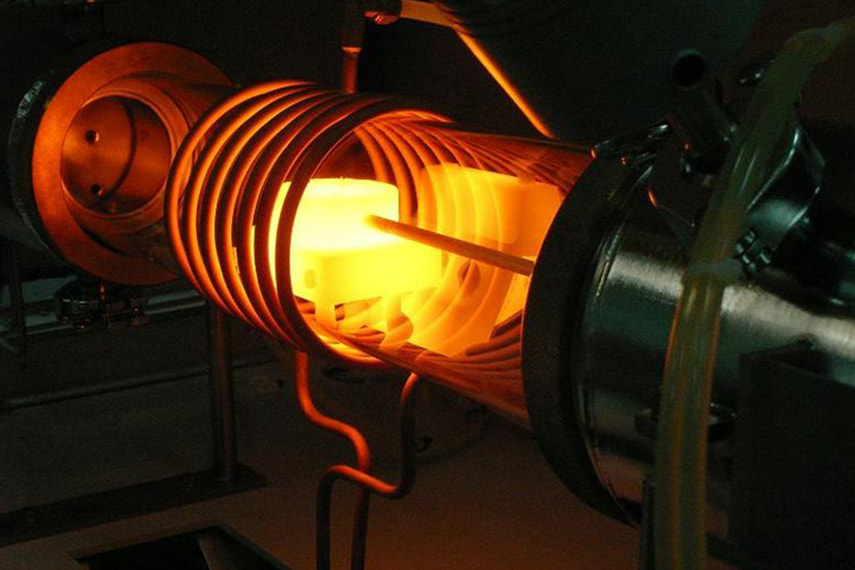
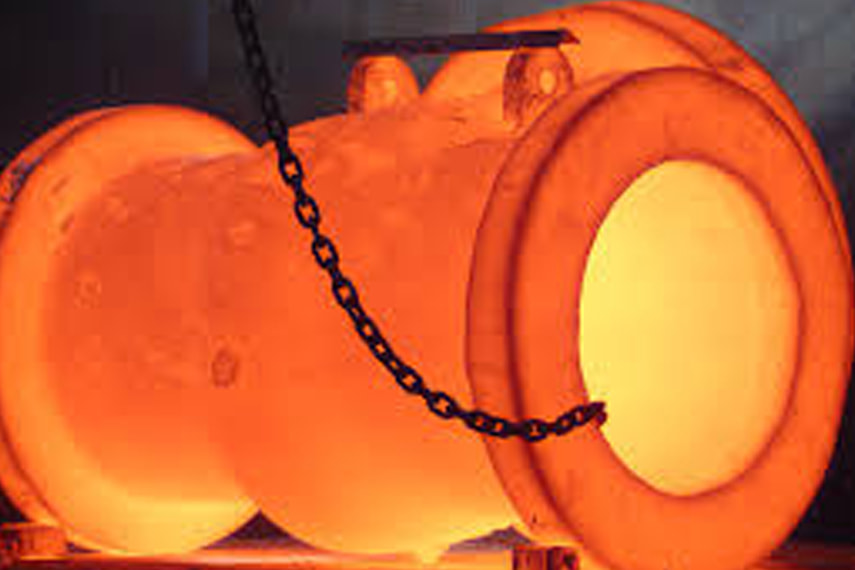
Valve heat treatment is a process in which valve materials are heated, held at a certain temperature, and then cooled to improve their mechanical properties, corrosion resistance, wear resistance, and fatigue resistance. Heat treatment can enhance the valve's service life, reliability, and efficiency, especially in high-temperature, high-pressure, or highly corrosive working environments.
Below are the main functions of valve heat treatment:
1. Increase Hardness
Heat treatment (such as quenching and tempering) can significantly increase the hardness of the valve. This improvement in hardness enhances the valve's wear resistance, allowing it to better withstand frequent opening and closing as well as friction, thereby extending its service life.
2. Improve Strength
Heat treatment can alter the crystal structure of the valve material. Typically, through processes like quenching and tempering, the valve maintains sufficient strength under high pressure or high temperature, preventing deformation or breakage during use.
3. Improve Corrosion Resistance
Some valves, such as stainless steel valves, can benefit from heat treatment to increase their corrosion resistance. During heat treatment, a protective oxide layer forms on the valve surface, helping it resist corrosion from various chemical media. This is particularly important in industries such as petroleum, chemicals, and marine applications.
4. Improve Toughness and Fatigue Resistance
Heat treatment improves the toughness of the valve, preventing brittle fracture or fatigue cracks in high-pressure, temperature fluctuations, and frequent cycling conditions. This is especially crucial for critical valves, such as safety and control valves, as good toughness can prevent sudden failures.
5. Eliminate Internal Stresses
During processes like casting and forging, internal stresses can develop in the valve material. Heat treatment helps to eliminate these internal stresses, preventing the valve from deforming, cracking, or breaking during use.
6. Improve Dimensional Stability
Heat treatment can improve the dimensional stability of the valve, preventing changes in size over long-term use and ensuring the valve performs its control function accurately.
7. Control Phase Transformation
For valves made from special materials, heat treatment can adjust the internal microstructure (e.g., transforming from austenite to martensite) to meet specific performance requirements, optimizing the valve's overall properties.
8. Increase Oxidation Resistance
In high-temperature environments, valves are prone to oxidation. Heat treatment can enhance the valve’s resistance to oxidation, thus improving its service life in high-temperature and high-oxygen conditions.
Common heat treatment methods for valves include:
-Quenching: Heating the valve to a specific temperature and then rapidly cooling it, which increases hardness and strength.
-Tempering: Heating the quenched valve to a lower temperature and then slowly cooling it to improve toughness and reduce brittleness.
-Annealing: Heating the valve and then slowly cooling it to coarsen the crystal grains, improving plasticity and machinability.
-Normalizing: Heating to a specific temperature and cooling in air to improve mechanical properties and uniformity of the material.
In summary, the function of valve heat treatment is to ensure that the valve performs reliably in complex and demanding conditions. It achieves the desired strength, hardness, wear resistance, and corrosion resistance, thereby improving its reliability and service life in various industrial environments.