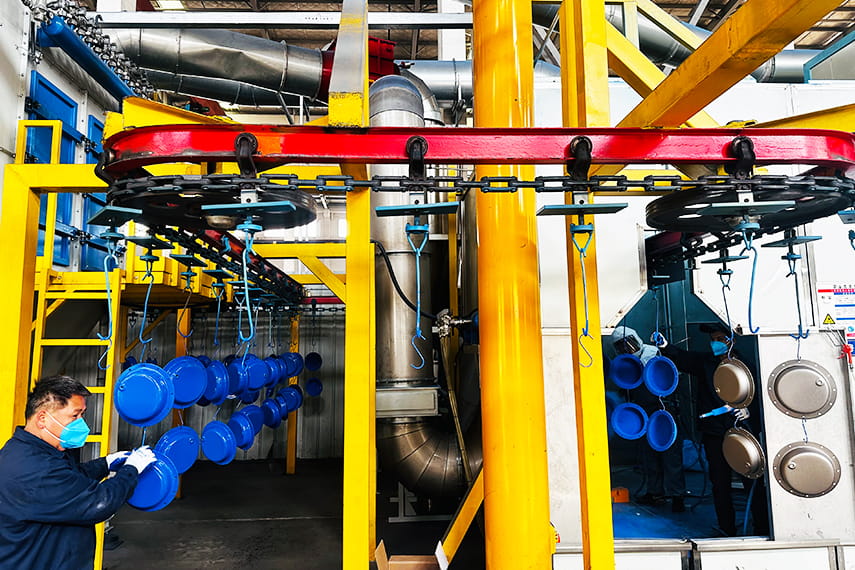
Research: Coating and maintenance of valve appearance
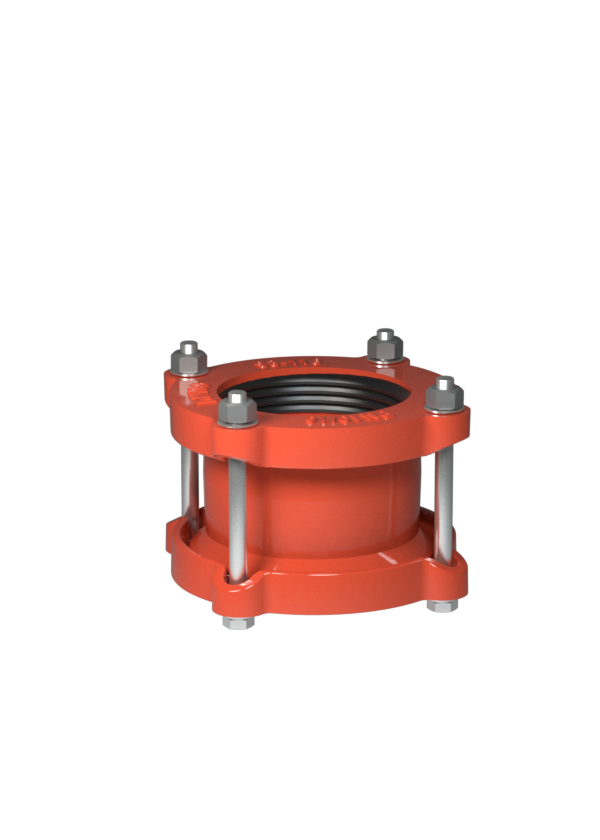
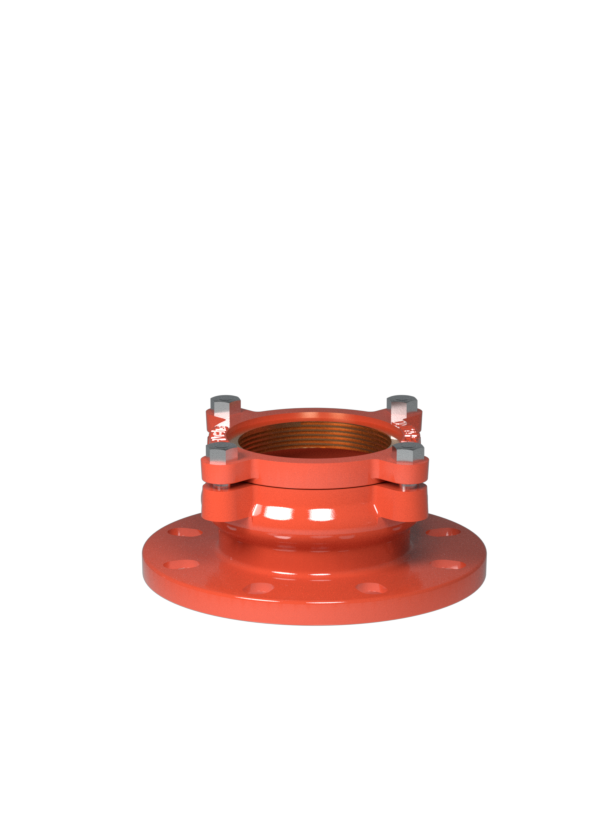
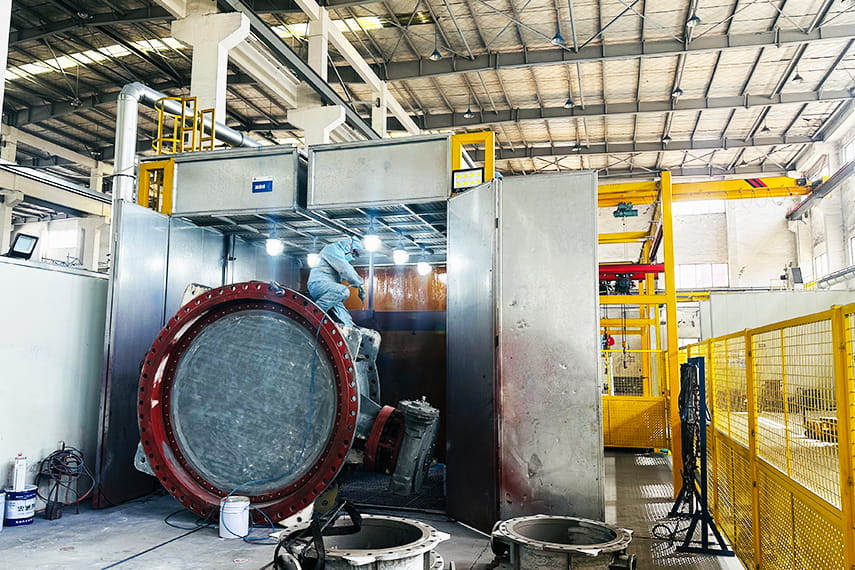
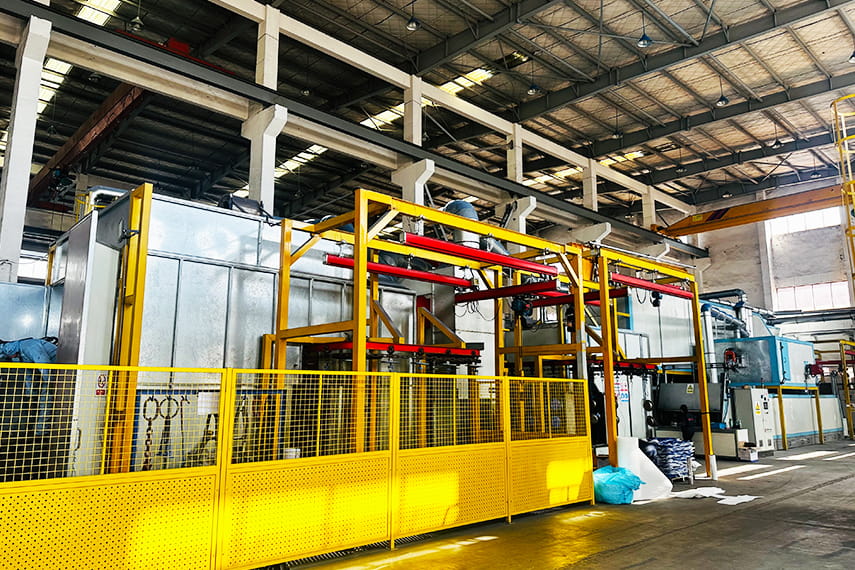
1) Except for austenitic stainless steel and copper valves, the non-machined outer surfaces of other metal valves should be painted or coated according to the contract regulations.
2) The non-painted or non-rust-proof machined surfaces must be painted or sprayed with a similar easily removable anti-rust layer. The inner cavity and parts of the valve shall not be painted and shall be free of dirt and rust.
3) After inspection and testing, the debris and water inside the valve shall be cleaned and blown dry for transportation. The valve should be protected to prevent mechanical damage and atmospheric corrosion during transportation, and ensure that it can meet the requirements of on-site storage for at least 18 months before installation.
4) The manufacturer's standard paint is applicable to non-machined surfaces. Bronze, stainless steel and high alloy valves should not be painted
5) Austenitic stainless steel valves should be protected to prevent chlorine corrosion due to exposure to salt spray or atmosphere during transportation, cleaning, manufacturing, testing and storage. If trucks are used for transportation in areas where chlorine salts are used, protection should also be provided. Consider using moisture-proof materials for closing or wrapping.
6) For carbon steel and ferritic alloy steel flanges and butt-weld valves, the end flange sealing surfaces and grooves should be coated with a removable or solvent-removable anti-rust coating before the end device is maintained.
7) The end faces of flanged and butt-welded valves are protected with metal plates, hard fiberboards, thick plastic plates or wooden boards and tightly attached to the valve body. Valves with threaded or socket ends and drain ports should have these ends protected with metal, wood blocks or plastic plugs.
8) Threaded and socket-welded openings should be closed with plastic or metal protective parts to prevent dust or other foreign matter from entering the valve interior.
9) Unless otherwise specified, American standard valves are marked according to API600, API6D or MSSSP-25, and national standard valves are marked according to GB/T12220. The marking should include the melting furnace number or the melting symbol of the manufacturer.
10) As long as it is not feasible to apply the required symbol on the body, the symbol can be applied to the nameplate. However, the arrow indicating the flow direction of the valve must be marked on the valve body.
11) The sign should be firmly fixed to a prominent position of the valve, and its content must be complete and correct. It should also comply with the provisions of GB/T13306, and its materials should be made of stainless steel, copper alloy or aluminum alloy.
12) The paint used for color codes and symbols must not contain any harmful metals or metal salts, such as tin, zinc, lead, sulfur, copper or chloride, which can cause corrosion when hot, and the paint should be resistant to corrosion in salt water, tropical environments or similar conditions.
13) For small-sized objects that are difficult to mark, use the method of stainless steel wire fastening stainless steel signs to mark.