
-
Valve Categories
-






-
Valve Categories
-
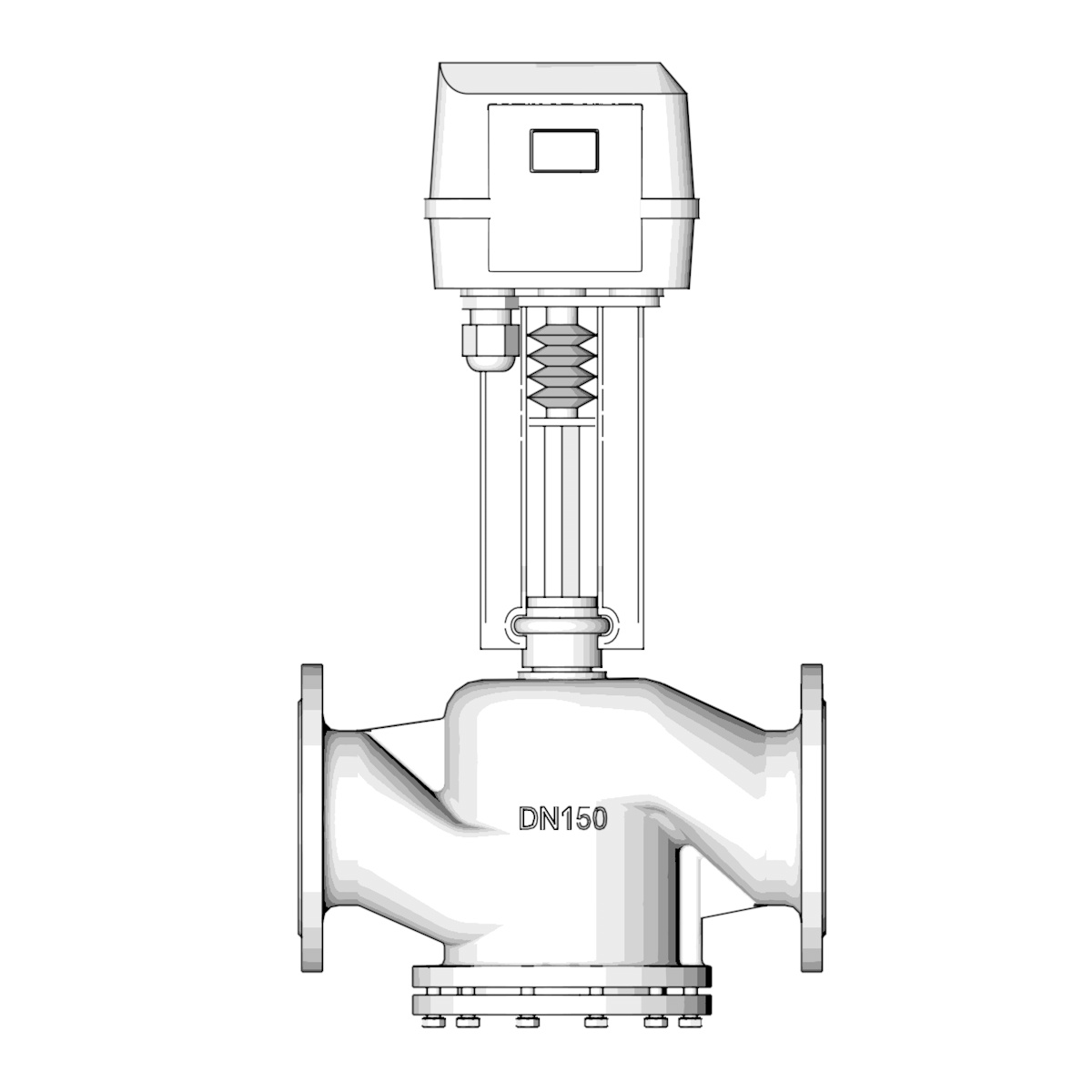
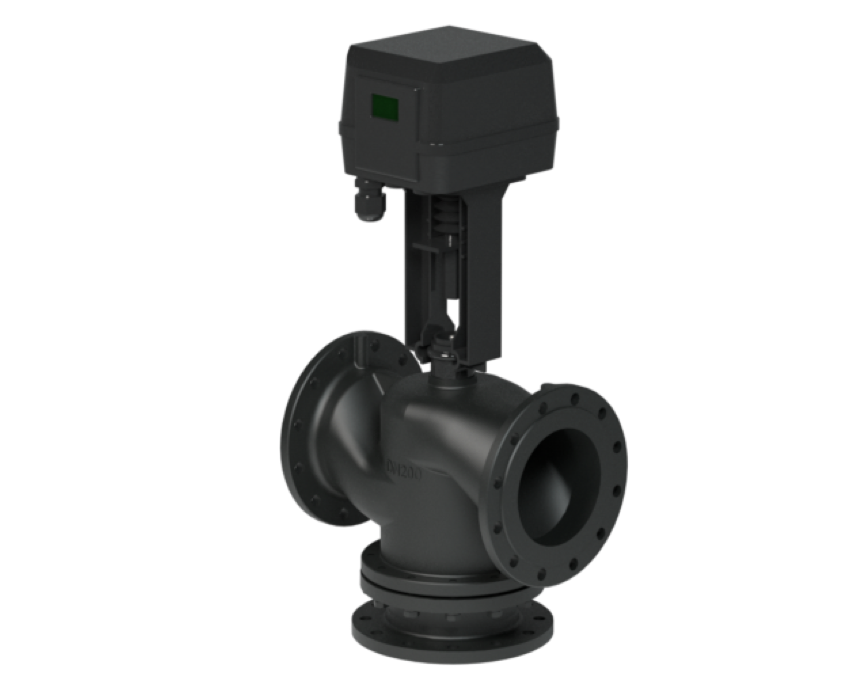
Flanged Three Way Regulating Valve SV43
DN
15~400 (1/2"~16")
PN
1.0~2.5 (Class150)
Temperature Range
0°C~120°C
Connection
Flanged
Flow Direction
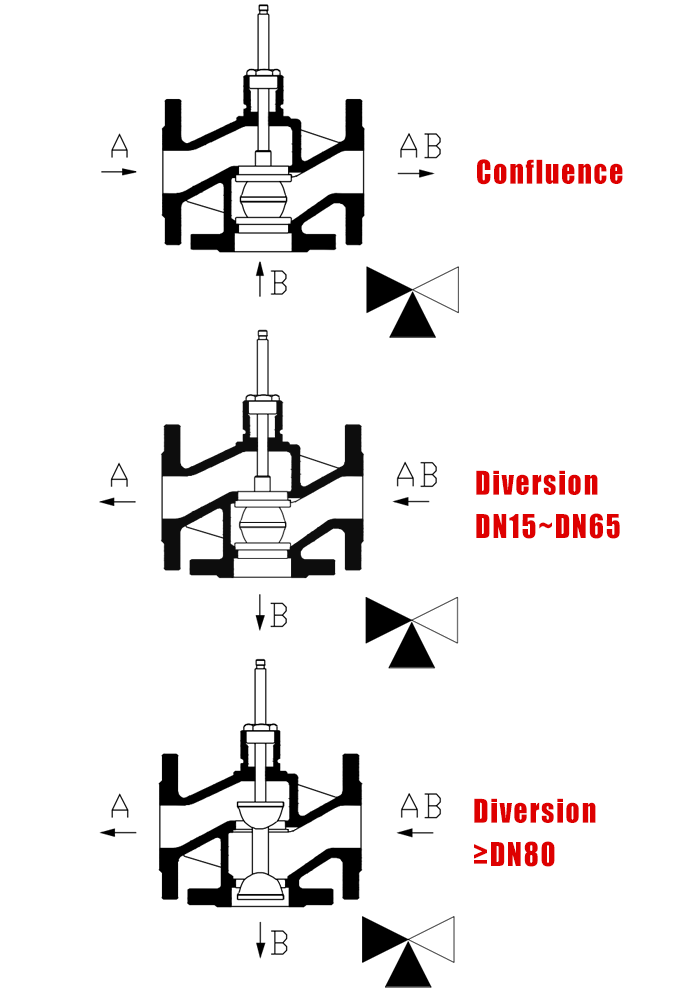
Diverting, Merging
Design
GB/T8464
Face to Face
GB/T12221, ASME B16.10
Flange Drilling
GB/T9113, ASME B16.5, EN1092, GOST12820, GOST33259
Top Connection
GB/T12222
Inspection
ISO5028, API598, GB/T13927, JB/T5296
Body Materials
GGG40, GGG50
Disc Materials
GGG40, GGG50, 304, 316
Stem Materials
304, 316
Sealing Materials
EPDM, Viton
Features & Benefits
SV43 is a three-way regulating valve is composed of a straight stroke electronic electric actuator and a three-way merging (diverging) valve with a cylindrical thin-walled window shaped valve core. It has a compact structure, light weight, sensitive action, and precise flow characteristics. It can directly receive control signals from regulating instruments (4-20mA DC, 0-10mA DC or 1-5V DC) and single-phase power supply to control operation, achieving automatic regulation and control of process pipeline fluid media. It is widely used for precise control of process parameters such as pressure, flow rate, temperature, liquid level, etc. of gas, liquid, steam and other media to maintain them at given values. Suitable for dividing a fluid into two flows through a three-way valve or merging two fluids into one through a three-way valve.
1. Can reduce resistance in fluid pipelines, improve fluid velocity and efficiency;
2. By adjusting the flow rate and pressure in the pipeline, the quality and velocity of the fluid can be controlled to ensure efficient and stable flow;
3. Easy to operate, high control accuracy, suitable for systems and equipment that require continuous adjustment of flow and pressure;
4. Three way regulating valves require periodic maintenance and upkeep, otherwise the valve may experience sealing failure;
5. High cost, especially suitable for large pipeline systems.
1. Can reduce resistance in fluid pipelines, improve fluid velocity and efficiency;
2. By adjusting the flow rate and pressure in the pipeline, the quality and velocity of the fluid can be controlled to ensure efficient and stable flow;
3. Easy to operate, high control accuracy, suitable for systems and equipment that require continuous adjustment of flow and pressure;
4. Three way regulating valves require periodic maintenance and upkeep, otherwise the valve may experience sealing failure;
5. High cost, especially suitable for large pipeline systems.
Industry Options
| Materials | Characteristics | Low Temp. ℃ | High Temp. ℃ | Recommended ℃ |
| EPDM | Aging resistance, ozone resistance, corrosion resistance | -40 | 125 | -25~110 |
| HT EPDM | Aging resistance, ozone resistance, corrosion resistance, heat resistance | -40 | 150 | -25~135 |
| FPM (Viton) | Chemical and most oils resistance, (except ketones & esters) | -20 | 200 | -5~150 |
| PTFE | Heat, cold, acid, alkali, organic solvents resistant | -60 | 180 | -45~150 |
Dimensions

| DN | B | D | D2 | D4 | K | L1 | L2 | L3 | H1 | H2 |
| 15 | 14 | 95 | 4-14 | 46 | 65 | 130 | 65 | 65 | 31 | 107 |
| 20 | 16 | 105 | 4-14 | 56 | 75 | 150 | 75 | 75 | 31 | 107 |
| 25 | 16 | 115 | 4-14 | 65 | 85 | 160 | 80 | 80 | 36 | 112 |
| 32 | 18 | 140 | 4-18 | 76 | 100 | 180 | 90 | 90 | 45 | 121 |
| 40 | 18 | 150 | 4-18 | 84 | 110 | 200 | 100 | 100 | 50 | 126 |
| 50 | 20 | 165 | 4-18 | 99 | 125 | 230 | 115 | 136 | 60 | 136 |
| 65 | 20 | 185 | 8-18 | 118 | 145 | 290 | 145 | 156 | 90 | 166 |
| 80 | 22 | 200 | 8-18 | 132 | 160 | 310 | 155 | 185 | 120 | 196 |
| 100 | 23 | 220 | 8-18 | 156 | 180 | 350 | 175 | 202 | 162 | 238 |
| 125 | 24 | 250 | 8-18 | 184 | 210 | 400 | 200 | 240 | 157 | 233 |
| 150 | 25 | 285 | 8-22 | 211 | 240 | 480 | 240 | 270 | 171 | 247 |
| 200 | 26 | 340 | 12-22 | 266 | 295 | 500 | 250 | 320 | 263 | 339 |
| 250 | 31 | 405 | 12-26 | 319 | 355 | 600 | 300 | 400 | 315 | 391 |
RELATED CASE
-
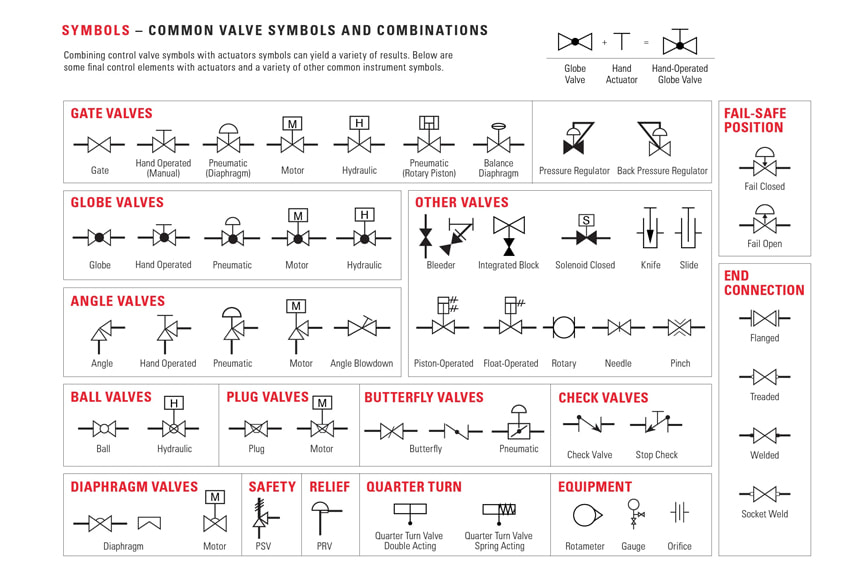
Research: Common Valve Symbols and Main Functions in Piping and Instrumentation Diagrams (P&IDs)
-
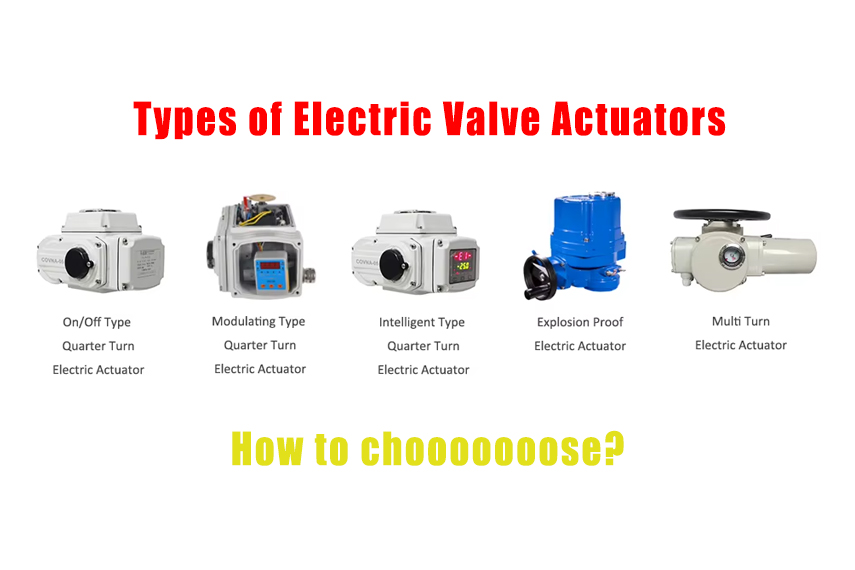
Research: What Types of Electric Valve Actuators Are There?
-
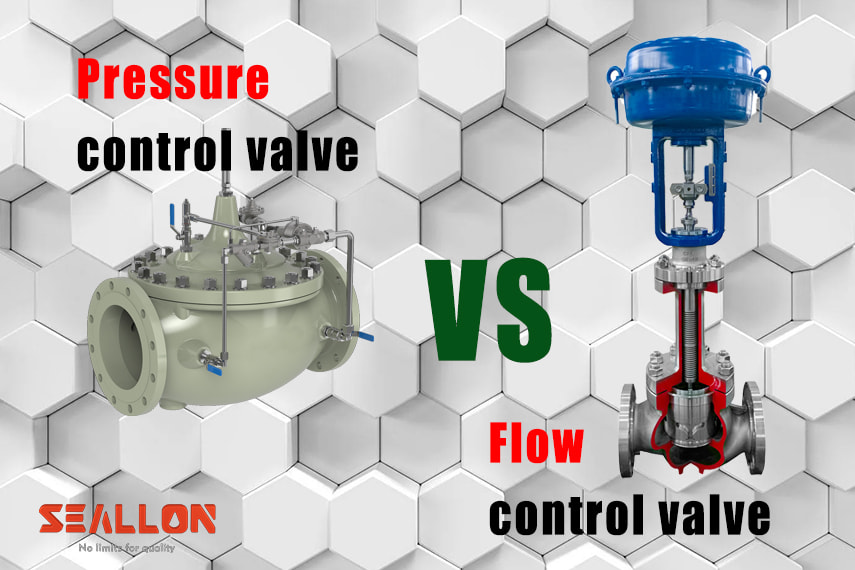
Research: What’s the Difference Between a Pressure Control Valve and a Flow Control Valve?
-
Research: Why do valves need Shot Peening?
-
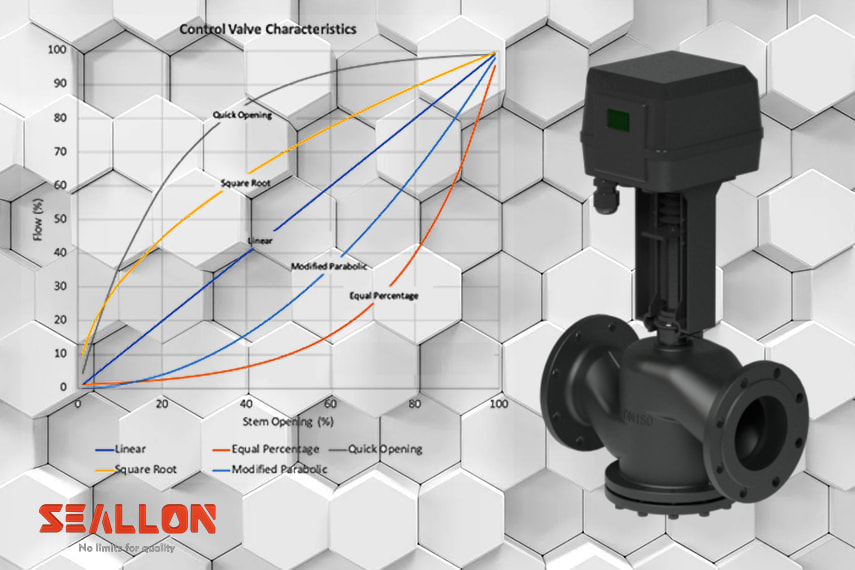
Research: What is the Cv value of the HVAC control valve related to?
Submit An inquiry

© 2024 Seallon Flow Technology Co.,Ltd. All Rights Reserved