Research: Can Ball Valves Regulate Flow?
Ball valves are widely recognized for their quick shut-off and reliable sealing performance. But when it comes to flow regulation, the question arises: Can ball valves regulate flow, or are they only good for on/off control? The answer depends on the type of ball valve used.
✅ Can Standard Ball Valves Regulate Flow?
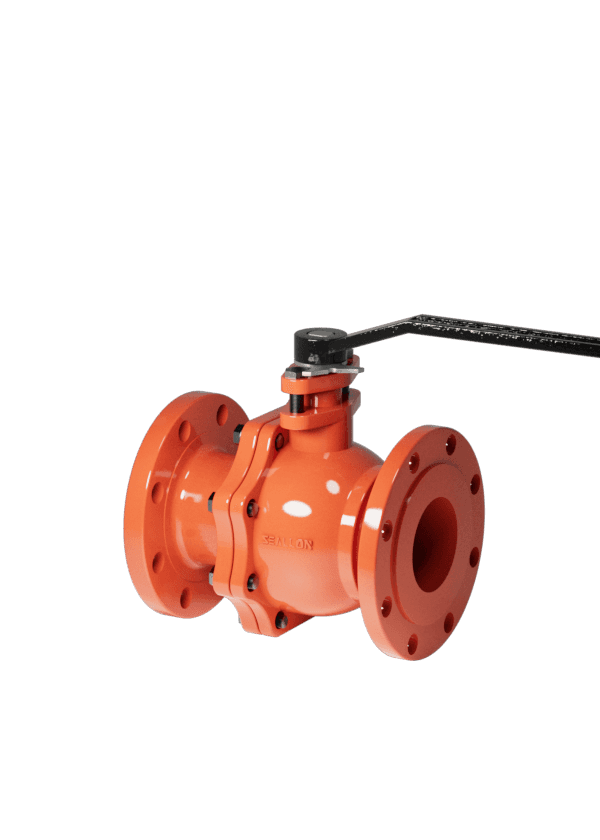
Conventional ball valves (with full or reduced port and round bore) are not ideal for throttling. When partially open, the high-velocity flow can cause erosion, vibration, and seat damage. They are primarily designed for on/off operation.
However, control ball valves, V-port ball valves, and segmented ball valves are specifically designed to handle flow regulation tasks.
Types of Ball Valves for Flow Regulation
1. V-Port Ball Valves (V Notch Ball Valves)
-
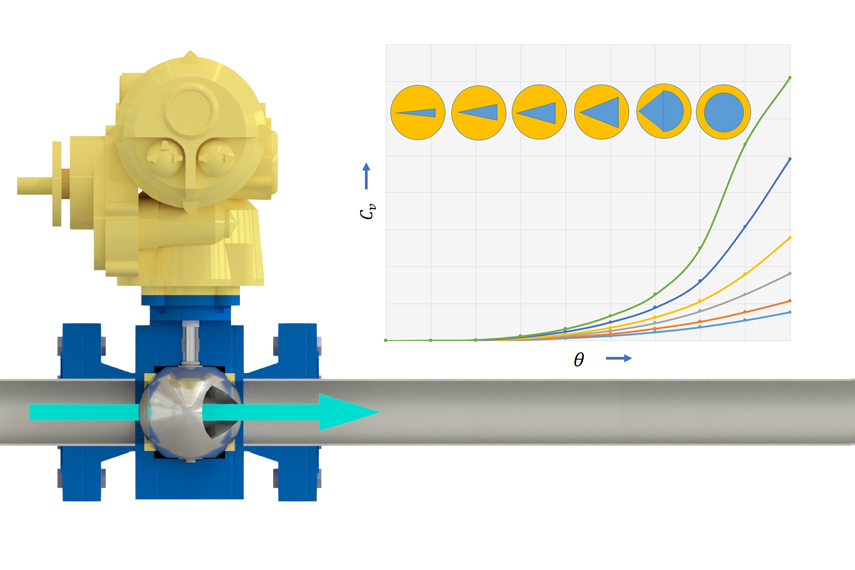
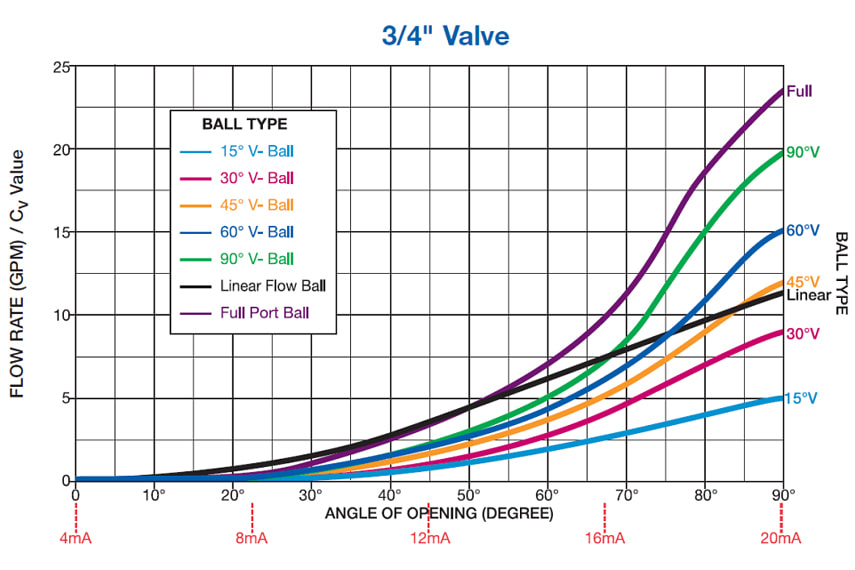
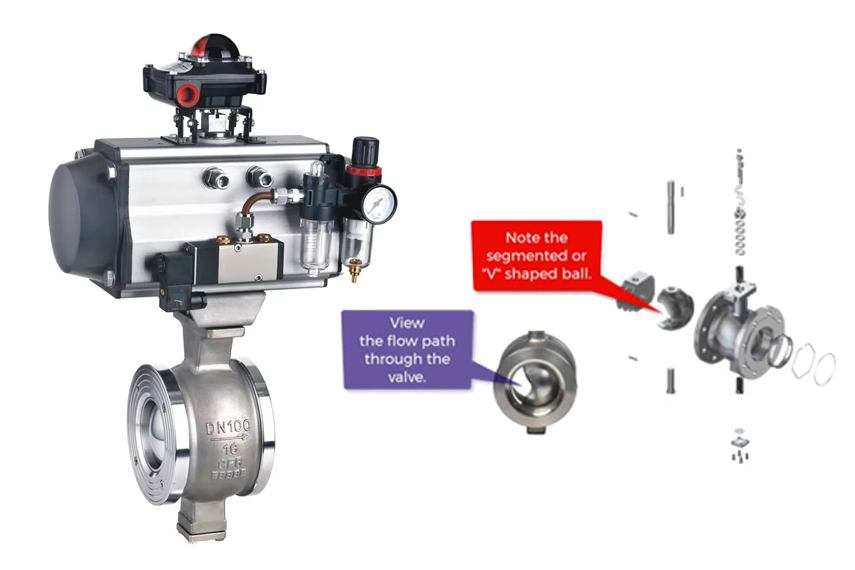
Design: Features a "V"-shaped notch in the ball or seat that allows precise flow control.
-
Flow Characteristic: Offers linear or equal percentage flow control.
-
Control Accuracy: Excellent throttling performance compared to traditional ball valves.
-
Common Materials: Stainless steel, carbon steel, alloy steels.
-
Drive Options: Electric actuators, pneumatic actuators, or manual gear operators.
-
Keywords: V-port control ball valve, V notch ball valve, high-precision flow control valve.
2. Segmented Ball Valves
-
Design: A contoured segment cut into the ball provides high Cv and good rangeability.
-
Flow Characteristic: Designed for modulating control with low pressure drops.
-
Materials: Typically stainless steel or high-strength alloy bodies and trim.
-
Actuation: Typically paired with pneumatic or electric positioners for modulation.
-
Keywords: segmented ball control valve, modulating segmented valve, high-performance throttling ball valve.
3. Trunnion-Mounted Control Ball Valves
-
Design: Fixed ball with spring-loaded seats, sometimes combined with V-port or characterized trim.
-
Advantage: Suitable for high-pressure and large-size flow regulation.
-
Applications: Oil & gas, petrochemical, power plants.
-
Keywords: trunnion mounted control valve, flow control trunnion valve, pressure regulating ball valve.
Industries That Use Flow-Regulating Ball Valves
Control ball valves are essential in processes that demand accurate flow modulation, such as:
-
Oil & Gas Industry – Flow metering, pressure reduction, blending.
-
Chemical & Petrochemical Plants – Temperature control loops, chemical dosing.
-
Water & Wastewater Treatment – Chlorination, flow balancing, sludge control.
-
HVAC Systems – Chilled water modulation, bypass loops, zone control.
-
Pulp & Paper – Steam control, bleach flow, and chemical feed systems.
-
Power Generation – Boiler feedwater control, turbine bypass, fuel gas regulation.
Key Selection Criteria
When choosing a ball valve for flow regulation, consider:
-
Flow characteristics (linear vs. equal percentage)
-
Material compatibility with media (corrosive, abrasive, high-temp)
-
Seat type (soft seat for tight shut-off, metal seat for high-temp/abrasive)
-
Valve size & pressure class
-
Automation needs (positioners, feedback, remote control)