Research: Floating Ball Valve vs Trunnion Mounted Ball Valve
When it comes to industrial flow control, ball valves are among the most reliable and widely used valve types. But not all ball valves are built the same. Two of the most common designs are the floating ball valve and the trunnion mounted ball valve — each with unique structural features and performance characteristics.
What Is a Floating Ball Valve?
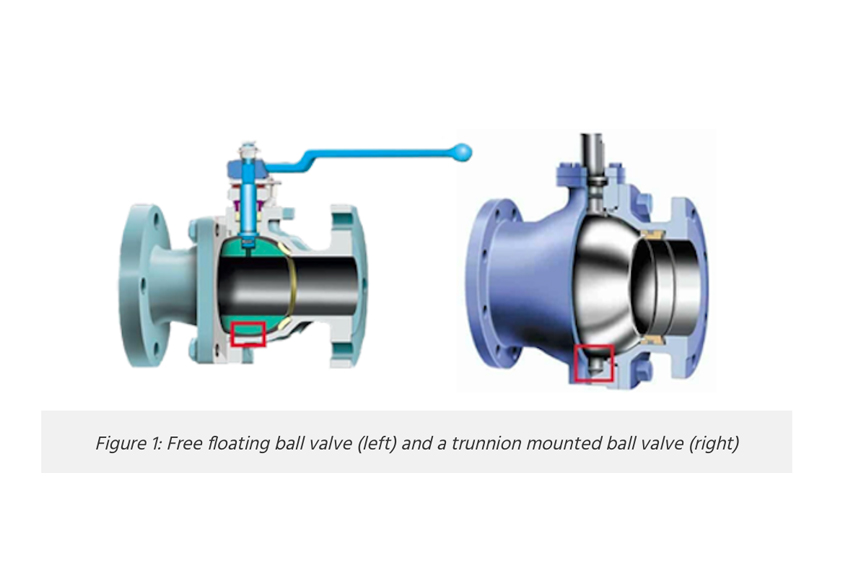
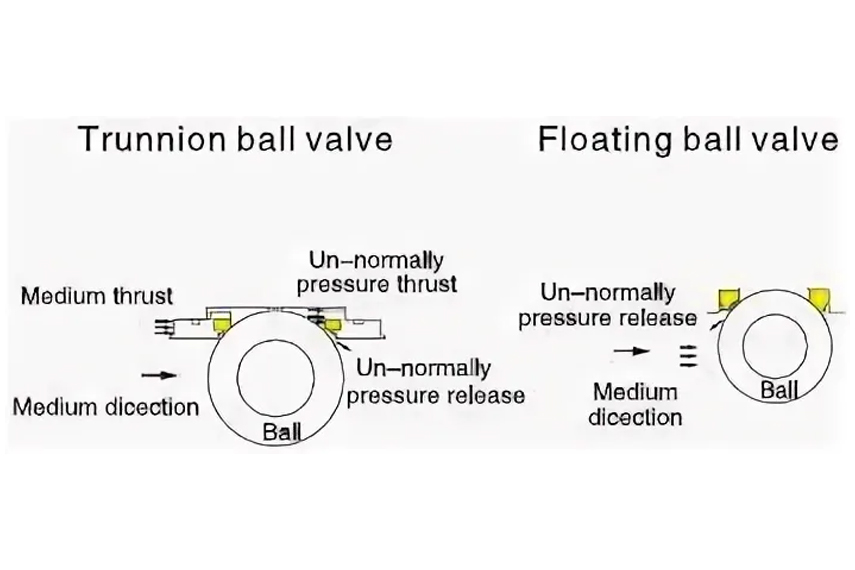
A floating ball valve uses a ball that is not fixed to the stem or body, allowing it to move slightly downstream under pressure to create a tight seal against the seat.
🔑 Key Features:
-
The ball “floats” between two soft seats
-
Seal is achieved by pressure pushing the ball against the downstream seat
-
Typically two-piece or three-piece design
-
Requires less torque than trunnion ball valves in small sizes
🧰 Applications:
-
Low to medium pressure pipelines
-
General-purpose flow control
-
Chemical, water treatment, food-grade processes
What Is a Trunnion Mounted Ball Valve?
A trunnion mounted ball valve features a ball that is supported by upper and lower trunnions (mechanical anchor points), allowing it to rotate but preventing axial movement.
🔑 Key Features:
-
Ball is “fixed” and supported by trunnions
-
Sealing is achieved by spring-loaded seats pressing against the ball
-
Lower operating torque, even at high pressures
-
Often comes with double block and bleed (DBB) functionality
🧰 Applications:
-
High-pressure and large-diameter pipelines
-
Oil & gas, petrochemical, and offshore industries
-
Emergency shut-off systems and critical safety applications
🔍 Floating vs Trunnion Ball Valve: Quick Comparison
| Feature | Floating Ball Valve | Trunnion Mounted Ball Valve |
|---|---|---|
| Ball Support | Ball floats, held by valve seats | Ball is anchored by top and bottom trunnions |
| Sealing Mechanism | Pressure pushes ball against seat | Seats are energized toward the fixed ball |
| Suitable Pressure Range | Low to medium pressure (up to ~40 bar) | High pressure (up to 2500# / API 10,000 PSI) |
| Torque Requirement | Higher in large sizes | Lower, even in large diameters |
| Sizes | DN15–DN200 typically | DN100 and above (commonly used in large diameters) |
| Blowout Prevention | Less robust | Better protection in critical operations |
| Cost | Lower cost | Higher cost, but higher performance |
🧪 Material Compatibility & Media
| Media Type | Recommended Valve Type |
|---|---|
| Clean water / steam | Floating ball valve (with PTFE or PPL seats) |
| High-pressure gas | Trunnion ball valve (with metal or soft seats) |
| Crude oil / hydrocarbons | Trunnion ball valve (fire-safe design) |
| Slurry / abrasive media | Trunnion with metal seats |
| Corrosive fluids | Floating or trunnion with corrosion-resistant alloy (e.g. SS316, duplex) |
📌 Selection Guide: Which Ball Valve Should You Choose?
| Application | Recommended Valve |
|---|---|
| General utility systems (<PN25) | Floating ball valve |
| High-pressure oil & gas pipelines | Trunnion mounted ball valve |
| Large pipeline diameters (>DN200) | Trunnion design preferred |
| Tight shut-off in small lines | Floating ball valve (tight sealing) |
| Frequent on-off cycles / automation | Trunnion valve with low torque actuator |
🏷️ Seallon Ball Valve Solutions
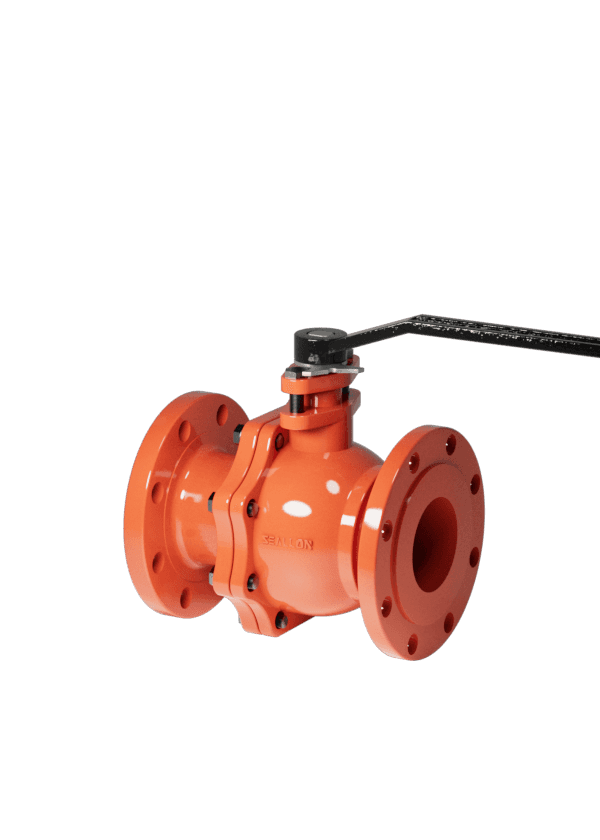
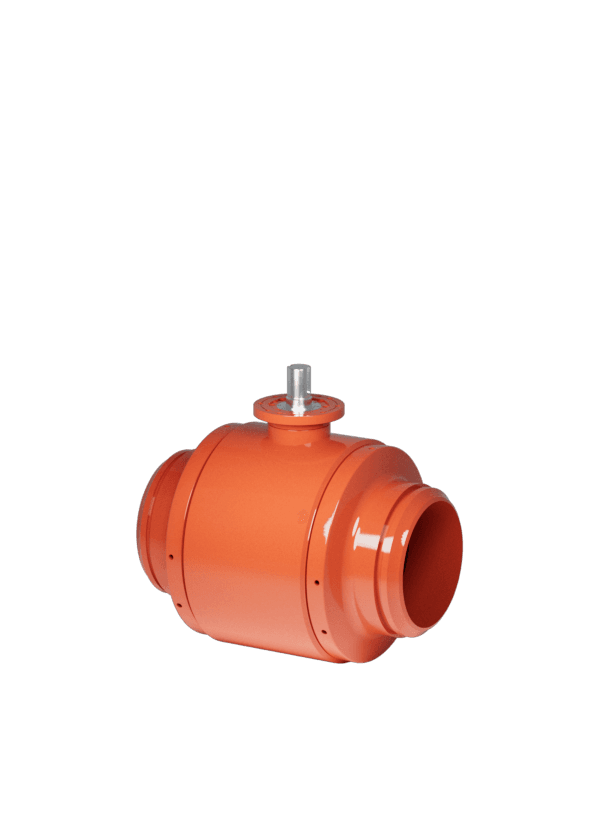
Seallon offers a complete range of floating and trunnion ball valves, engineered for global standards:
-
Floating ball valves SK11/SK41/SK41-P/SK61: Available in two-piece and three-piece designs with soft or metal seats
-
Trunnion ball valves SK41-M/SK40/SK67: Fully compliant with API 6D, available with fire-safe, anti-blowout, and DBB features
-
Actuation-ready: Compatible with electric or pneumatic actuators (ISO 5211)
-
Customizable: Seat material (PTFE, RPTFE, PEEK, metal), corrosion-resistant alloys, extended stems for cryogenic use
✅ Applications: Petrochemical, LNG, clean water, HVAC, mining, chemical dosing, power generation