Research: How to Diagnose Ball Valve Failure?
Ball valves are essential components in many industrial applications, providing reliable and efficient flow control. However, like any mechanical device, ball valves can experience issues that affect their performance. Timely detection of ball valve failure is crucial to prevent system downtime and costly repairs. In this article, we will explore how to identify the signs of ball valve failure, what causes these issues, and the best ways to address them.
1. What is a Ball Valve?
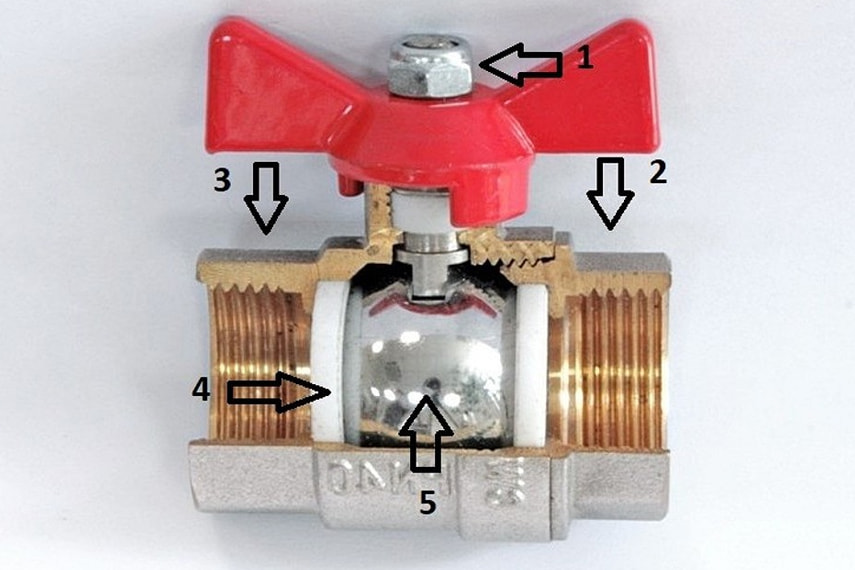
A ball valve is a quarter-turn valve that uses a spherical ball with a hole through its center to regulate fluid flow. When the valve is open, the hole in the ball aligns with the flow path, allowing the fluid to pass through. When closed, the ball rotates, blocking the flow. Ball valves are widely used in industries such as water treatment, chemical processing, HVAC, and oil and gas, offering reliable on/off control.
Despite their reliability, ball valves can malfunction due to wear, corrosion, or improper operation. Identifying the symptoms of failure early can prevent major issues down the line.
2. Signs of Ball Valve Failure
Here are some common signs that your ball valve may be malfunctioning:
*Leaking Around the Valve
One of the most common signs of ball valve failure is leakage. If you notice fluid leaking from around the valve, especially when the valve is in the closed position, this indicates a problem with the valve’s seal or internal components.
What It Means: The seals inside the valve may be worn, damaged, or degraded, leading to fluid leakage.
How to Fix It: Inspect the seals, and if they appear damaged, replace them. Regular maintenance and proper lubrication can help extend the life of the seals.
*Difficulty Operating the Valve
If the ball valve becomes stiff or difficult to turn, this could indicate internal damage or debris buildup within the valve. Difficulty in operation can also occur if the valve is improperly installed or subjected to high levels of wear.
What It Means: The valve stem may be corroded, or there may be a buildup of debris or scaling on the ball or valve seat, causing friction and resistance.
How to Fix It: Apply appropriate lubrication to the valve stem and check for any blockages or debris inside the valve. If necessary, disassemble and clean the valve or replace worn components.
*Unstable Flow or Pressure
If the fluid flow or pressure becomes erratic despite the valve being in a partially open position, it may indicate internal damage to the valve ball or seat. Ball valves are designed for either full open or full closed operation, and they should not be used for precise throttling. However, irregular flow can still be a sign of failure.
What It Means: The valve may be suffering from wear, corrosion, or damage to the ball or seat, affecting its sealing capability and causing flow instability.
How to Fix It: Inspect the ball and seat for wear or damage. If necessary, replace the damaged components. Consider switching to a more suitable valve type (e.g., globe or control valve) if the application requires more precise flow regulation.
*High Vibration or Noise
Excessive vibration or unusual noise during valve operation can indicate that the valve is not sealing properly or that there is an internal obstruction. This could result from a misaligned ball, worn seals, or an issue with the valve’s actuator.
What It Means: The valve’s internal components may be damaged, or the valve may not be fully closing, causing turbulence or cavitation in the flow.
How to Fix It: Check for any misalignment or damage to the valve's internal components. Ensure that the valve is properly sized for the application and that the actuator is functioning correctly.
*Corrosion or Wear on External Parts
External corrosion, rust, or physical wear on the valve body can be signs that the ball valve has been exposed to harsh conditions for too long, or that the material is not suitable for the application.
What It Means: Exposure to moisture, chemicals, or extreme temperatures can cause the valve body or stem to corrode. This can weaken the valve and lead to premature failure.
How to Fix It: Inspect the valve body and external components for signs of corrosion or wear. Consider replacing the valve if corrosion is significant or upgrading to a more corrosion-resistant material, such as stainless steel, for the valve body.
*Unusual Leakage Around the Stem
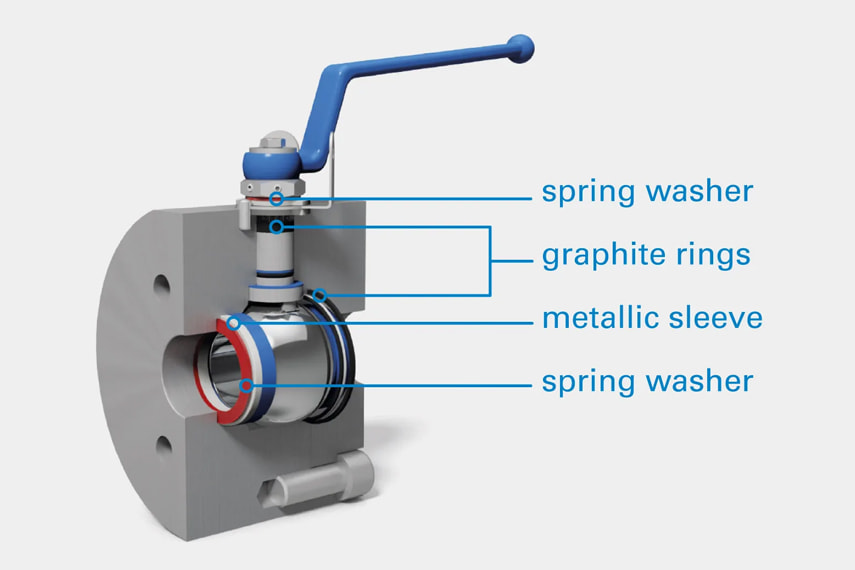
Leakage around the valve stem is a clear sign of wear or failure of the stem packing. Over time, the stem packing can degrade, causing leaks and allowing fluids to escape.
What It Means: The packing around the stem may have worn out, causing it to lose its sealing capacity.
How to Fix It: Tighten or replace the packing material around the stem. Regular inspection and maintenance of the stem packing can help prevent leaks and extend the life of the valve.
3. Common Causes of Ball Valve Failure
Ball valve failure can be caused by several factors, including:
*Improper Installation
Improper installation of the ball valve, such as incorrect orientation or misalignment, can lead to failure. Always ensure that the valve is installed according to the manufacturer’s guidelines.
*Wear and Tear
Over time, ball valves can wear out due to constant use. Components like seals, gaskets, and valve seats can degrade, leading to leaks and operational issues.
*Corrosion
Exposure to corrosive substances or harsh environmental conditions can cause the valve body, ball, or internal components to corrode, which impairs valve functionality.
*Incorrect Valve Type
Using the wrong type of valve for a specific application can lead to failure. For example, ball valves are designed for on/off control and are not ideal for throttling or regulating flow over an extended range.
*Pressure Surges
Sudden pressure surges or system shocks can damage the valve, leading to issues with its operation. Installing pressure relief valves or surge protection can help prevent this.
4. How to Prevent Ball Valve Failure
Preventive maintenance is the key to extending the life of your ball valve and ensuring its proper function. Here are some tips for preventing ball valve failure:
- Regular Inspection: Inspect the valve regularly for signs of wear, corrosion, and leaks.
- Proper Lubrication: Ensure that the valve stem and other moving parts are properly lubricated to reduce friction and wear.
- Correct Valve Selection: Choose the appropriate valve type for your application, especially if you need precise flow control.
- Replace Worn Parts: Regularly replace seals, gaskets, and other components that show signs of wear.
- Avoid Over-Pressurization: Ensure that the system pressure does not exceed the maximum rated pressure of the valve.
5. Conclusion: Early Detection and Maintenance are Key
Knowing how to diagnose ball valve failure is crucial for maintaining system efficiency and preventing costly repairs. By monitoring for signs such as leaks, difficult operation, and erratic flow, you can identify potential issues early and address them before they lead to more severe problems. Regular inspection, proper lubrication, and timely component replacement will help ensure that your ball valves perform optimally for years to come.