Research: The structure of Gate Valves and its main components
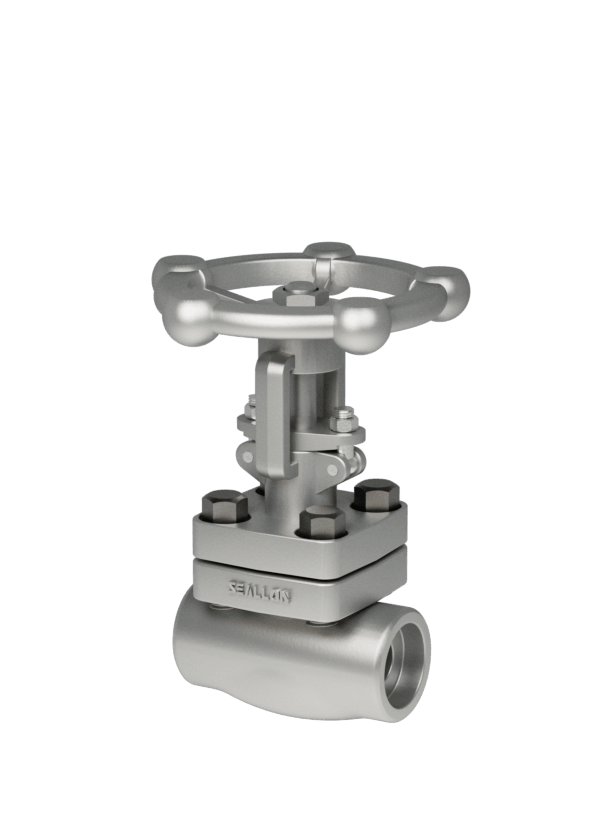
Gate valves are essential components in various industrial applications, particularly in fluid and gas control systems. Known for their ability to provide a tight seal and full-flow operation, gate valves are designed to allow or stop the flow of materials through a pipeline by raising or lowering a gate within the valve body. Understanding the structure and key components of a gate valve is crucial for selecting the right valve for your specific needs. In this article, we will explore the structure of a gate valve and explain the main components that make up this widely-used valve type.
1. What is a Gate Valve?
A gate valve, often referred to as a sluice valve, is a linear-motion valve that uses a gate (or wedge) to control the flow of liquid or gas through a pipeline. The gate moves perpendicular to the flow direction to either open or close the valve, providing a tight seal when fully closed. Gate valves are designed for on/off control and are typically used in systems where the flow needs to be fully shut off or fully open, such as in water treatment plants, oil and gas pipelines, and chemical processing facilities.
2. The Structure of a Gate Valve
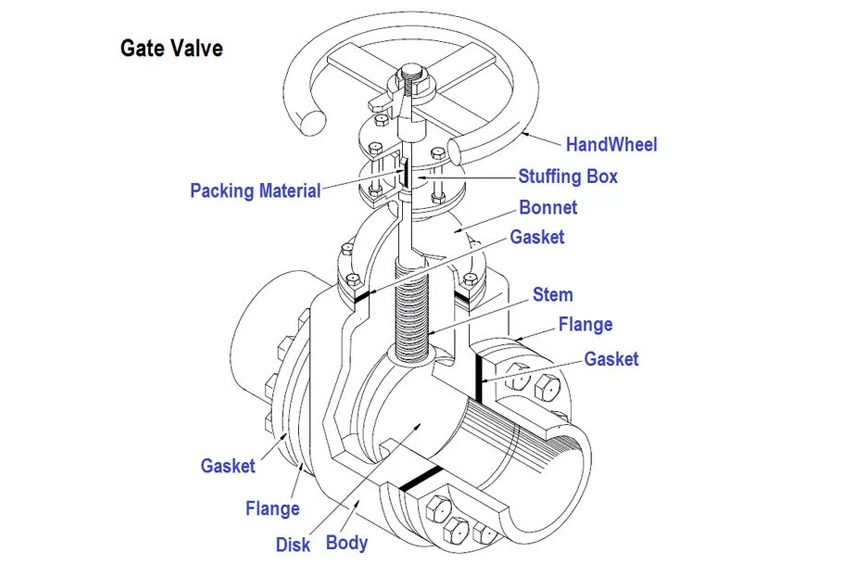
The structure of a gate valve is relatively simple but highly effective. It consists of several key parts that work together to provide smooth operation and efficient flow control. Below are the main components that make up the structure of a gate valve:
1. Valve Body
The valve body is the main part of the gate valve that houses the internal components and connects the valve to the pipeline. It is typically made from materials such as cast iron, steel, or stainless steel, depending on the application and environmental conditions.
Function: The valve body provides the structural framework of the gate valve and ensures the proper alignment of internal parts.
Materials: Cast iron, ductile iron, stainless steel, carbon steel, and alloy steels are commonly used for the valve body, based on the pressure and temperature requirements.
2. Gate (Wedge)
The gate (also referred to as the wedge or disc) is the key component that controls the flow of fluid or gas through the valve. It moves vertically in the valve body to either open or close the flow path. The gate is typically made of metal and can be flat or wedge-shaped, depending on the valve type.
Function: The gate moves up and down to allow or block the flow of the medium through the valve.
Design: The wedge shape helps ensure a tight seal when the valve is closed, minimizing the chance of leaks.
3. Stem
The stem is the part that connects the actuator or handwheel to the gate. The stem is responsible for transmitting the motion from the actuator to the gate to open or close the valve. The stem is typically made of stainless steel or other durable materials to ensure long-lasting operation.
Function: The stem provides the mechanical linkage between the actuator and the gate.
Design: The stem is threaded or non-threaded, depending on the valve design. It rotates to move the gate up or down.
4. Bonnet
The bonnet is the top part of the valve body that covers the stem and other internal parts, protecting them from external contamination. It is often bolted or welded onto the valve body. The bonnet also contains the packing material, which helps seal the stem and prevent leaks.
Function: The bonnet ensures the valve’s internal components are protected and sealed properly.
Materials: The bonnet is typically made of the same material as the valve body, such as cast iron or steel.
5. Seat
The seat is the surface against which the gate (or wedge) presses to form a seal when the valve is closed. The seat material is crucial for ensuring a tight, leak-free seal. Seats are typically made of materials such as metal, elastomer, or a combination of both.
Function: The seat creates a seal when the gate is in the closed position, preventing fluid from leaking.
Materials: Soft seats made from elastomers like rubber are used for lower-pressure systems, while metal seats are often used for high-pressure or high-temperature applications.
6. Handwheel or Actuator
The handwheel or actuator is the mechanism used to control the movement of the gate. For manual operation, a handwheel is often used to rotate the stem and move the gate. For automated systems, actuators such as electric or pneumatic devices can be used to open or close the valve.
Function: The handwheel or actuator provides the force necessary to raise or lower the gate.
Design: Handwheels are usually made of cast iron or steel, while actuators may vary depending on the required control type (electric, pneumatic, or hydraulic).
7. Packing
The packing is located around the stem, inside the bonnet, and serves to prevent leakage between the stem and the valve body. Packing materials may include a combination of fibers and lubricants to create a tight seal.
Function: Packing prevents the leakage of fluid or gas along the stem while allowing smooth motion.
Materials: Common packing materials include graphite, PTFE (polytetrafluoroethylene), and various elastomers.
3. How Gate Valves Work
In a gate valve, the gate is moved up or down by turning the handwheel or actuator, which rotates the stem. When the handwheel is turned in one direction, the gate rises, opening the valve and allowing fluid to pass through. When turned in the opposite direction, the gate lowers and seals the valve shut, stopping the flow. Gate valves are typically designed for full flow and are not ideal for throttling or regulating flow.
4. Applications of Gate Valves
Gate valves are commonly used in applications where the flow needs to be fully shut off or fully opened, such as:
Water Treatment: Used to control water flow in treatment plants.
Oil and Gas Pipelines: Used in pipelines to stop or allow the flow of oil and gas.
Chemical Processing: Used in chemical plants to control fluid flow.
HVAC Systems: Used in heating and cooling systems for fluid control.
5. Conclusion: Key Components of Gate Valves
Gate valves are simple yet highly effective in controlling the flow of fluids or gases in a pipeline. The key components of a gate valve include the valve body, gate (wedge), stem, bonnet, seat, handwheel or actuator, and packing. Each of these parts plays a vital role in ensuring that the valve functions properly, providing a reliable seal and enabling smooth operation. Understanding the structure and components of a gate valve is essential for selecting the right valve for your application and ensuring optimal performance.