Research: What is the function of valve packing?
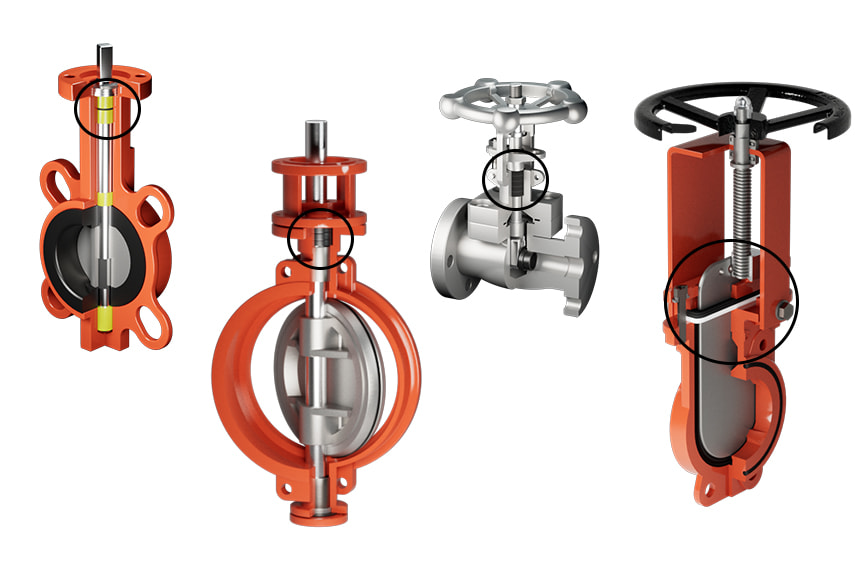
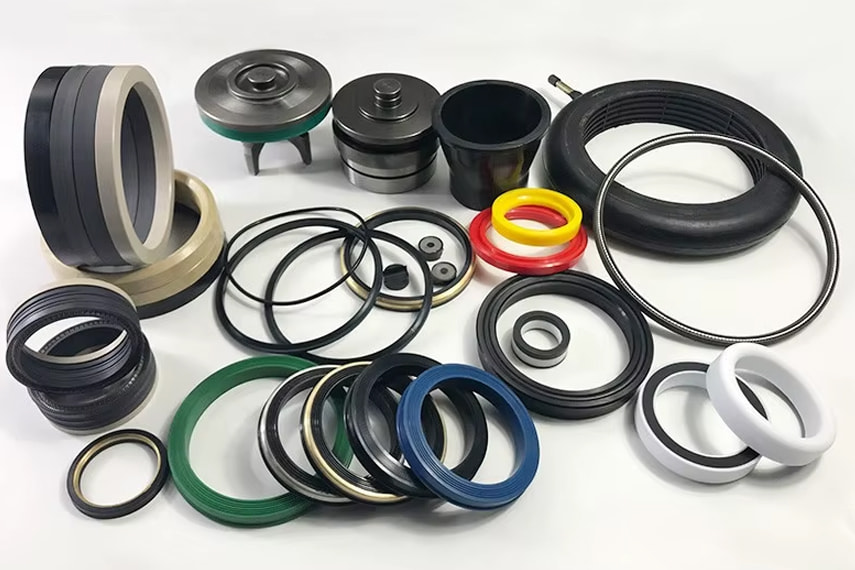
In valve structure, packing (also known as seal packing or packing gland) plays a crucial role in ensuring the valve's sealing performance, preventing leakage of the media, and providing lubrication to reduce friction on moving parts such as the valve stem. Packing is typically placed in the packing box and makes contact with the valve stem (or other moving components).
The main functions of packing can be summarized as follows:
1. Preventing Leakage
The primary function of packing is to provide a seal and prevent fluid (liquid or gas) from leaking through the gap between the valve stem and valve body. Since the valve stem moves up and down during valve operation, packing effectively seals this moving part, preventing media from leaking out, especially in high-pressure or high-temperature environments. It ensures the valve operates without leakage.
2. Reducing Friction and Wear
Packing also acts as a lubricant, reducing friction between the valve stem and the packing box. The up-and-down motion of the valve stem generates friction, and using the appropriate packing material helps minimize this friction, reduce wear, and prevent damage to the valve stem, thereby extending the valve's service life.
3. Adapting to Thermal Expansion and Temperature Changes
In high-temperature environments, valve metal parts may undergo thermal expansion. In such cases, packing can adapt to the valve stem's movement due to its elasticity, ensuring that the sealing effect is not compromised. This is particularly important for valves used in extreme temperature conditions, where packing can effectively cope with temperature-induced changes.
4. Withstanding Pressure Fluctuations
Packing can also withstand pressure fluctuations in the system. When the valve is exposed to high or fluctuating pressure, packing provides an extra layer of sealing to prevent leakage. For valves that frequently open and close, packing's sealing function helps prevent leaks caused by pressure variations during operation.
5. Reducing Stem Fatigue and Vibration
Packing helps reduce valve stem vibration and minimizes the risk of fatigue or damage caused by improper operation or environmental factors. Especially in high-pressure or high-temperature environments, packing provides additional support to the valve stem, reducing uneven stress and fatigue damage.
6. Resisting Corrosive and Abrasive Media
For certain special media (such as corrosive liquids, gases, or fluids with solid particles), packing materials can be selected to provide sealing resistance against these corrosive and abrasive characteristics. By choosing corrosion-resistant and wear-resistant packing materials, the valve's service life can be extended, and sealing performance can be guaranteed.
7. Simplifying Maintenance and Replacement
Compared to other sealing methods (such as welded seals or mechanical seals), packing seals offer significant maintenance and replacement advantages. Packing typically wears out more slowly and requires only periodic checks and replacements, making maintenance relatively simple. In the event of leakage, operators can restore sealing performance by adjusting the packing gland or adding new packing without disassembling the entire valve, saving time and cost.
Common Types of Packing
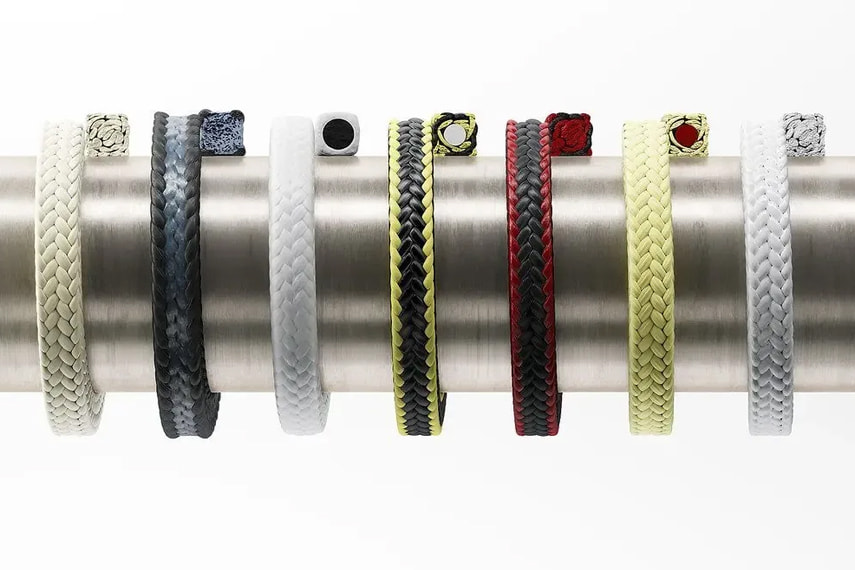
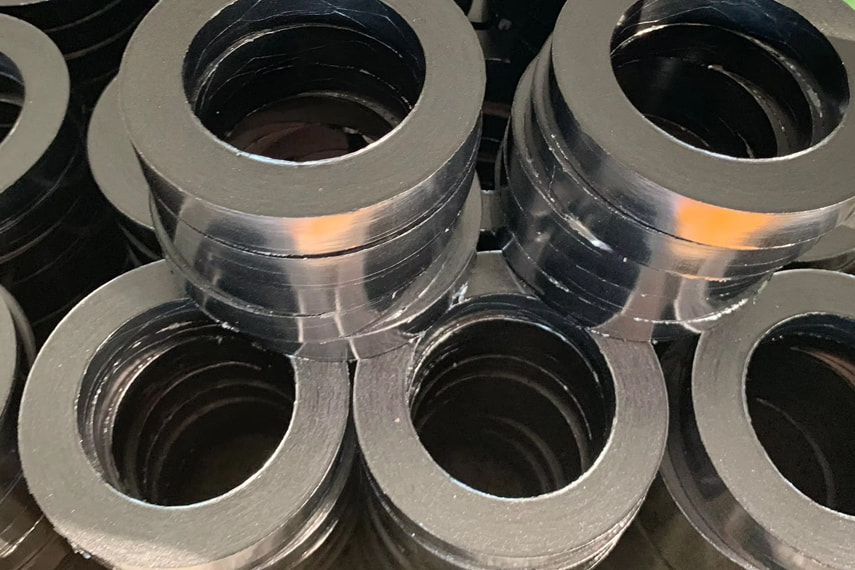
- Graphite Packing: Resistant to high temperature and corrosion, suitable for high-temperature and high-pressure environments.
- PTFE (Polytetrafluoroethylene) Packing: Offers good chemical resistance and wear resistance, suitable for corrosive media.
- Aramid Fiber Packing: Has good strength and wear resistance, suitable for high-pressure and high-temperature applications.
- Carbon Fiber Packing: Resistant to high temperature and wear, suitable for high-temperature and high-pressure industrial applications.
Summary
In valve structure, the primary functions of packing are to ensure sealing, prevent leakage, reduce friction and wear, adapt to temperature and pressure fluctuations, extend the valve's service life, and enhance operational safety. By selecting the appropriate packing material, it is possible to meet the demands of different working environments and media, ensuring the valve's reliability and long-term performance.