Research: What is a Ball Valve?
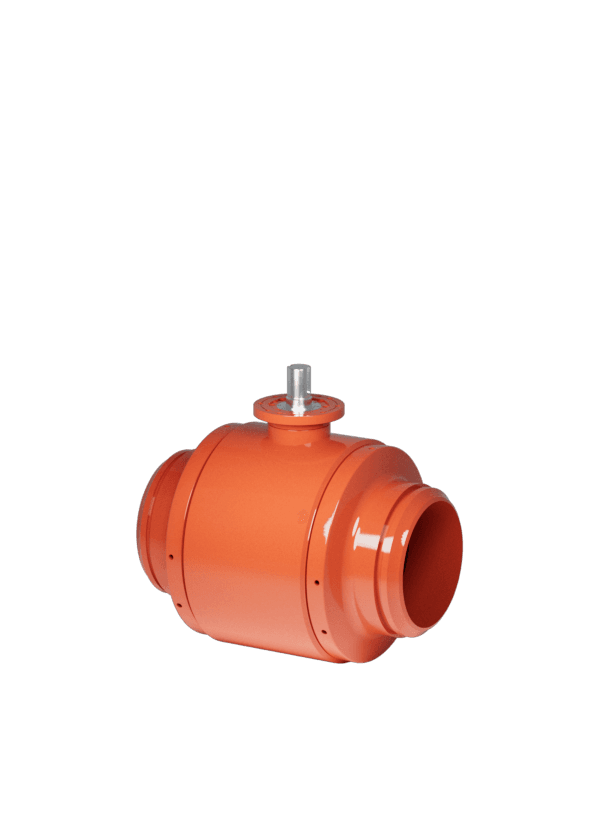
A ball valve is a type of valve used to control the flow of liquids or gases through a pipeline. As the name suggests, the valve uses a spherical ball with a hole (or port) in the middle to regulate flow. When the ball is rotated, the hole aligns with the pipeline, allowing fluid to flow freely. When the ball is rotated 90 degrees, the hole is perpendicular to the flow, effectively stopping the flow.
Key Features of Ball Valves
- Quick Operation: Ball valves are known for their fast opening and closing action, making them ideal for applications where quick shutoff is necessary.
- Leak-Proof Design: The ball valve design ensures a tight seal when closed, which reduces the risk of leaks in high-pressure and high-temperature systems.
- Durability: Made from durable materials like stainless steel, brass, and plastic, ball valves offer long-term performance in a wide range of industries.
Types of Ball Valves
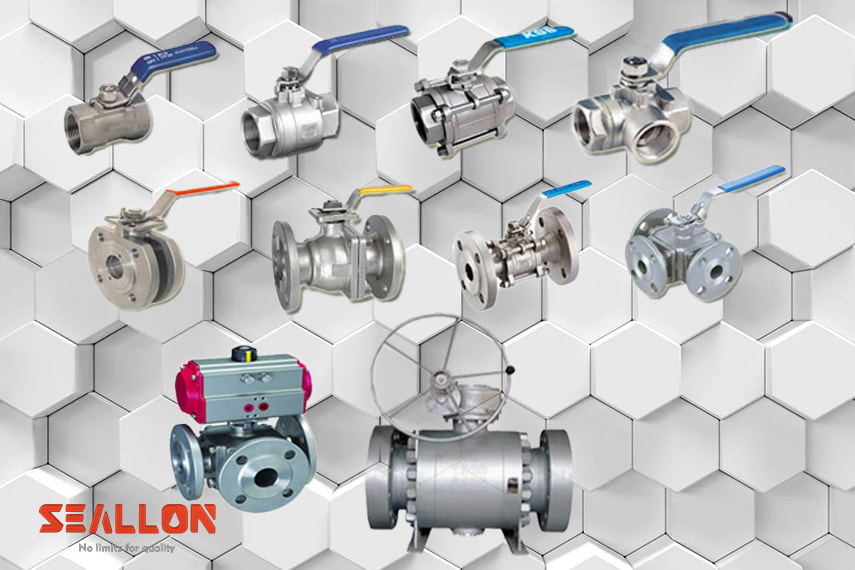
- Full-Port Ball Valve: Provides full flow capacity with minimal pressure drop, often used in large pipelines.
- Standard-Port Ball Valve: Typically used for smaller pipe sizes or when a higher pressure drop is acceptable.
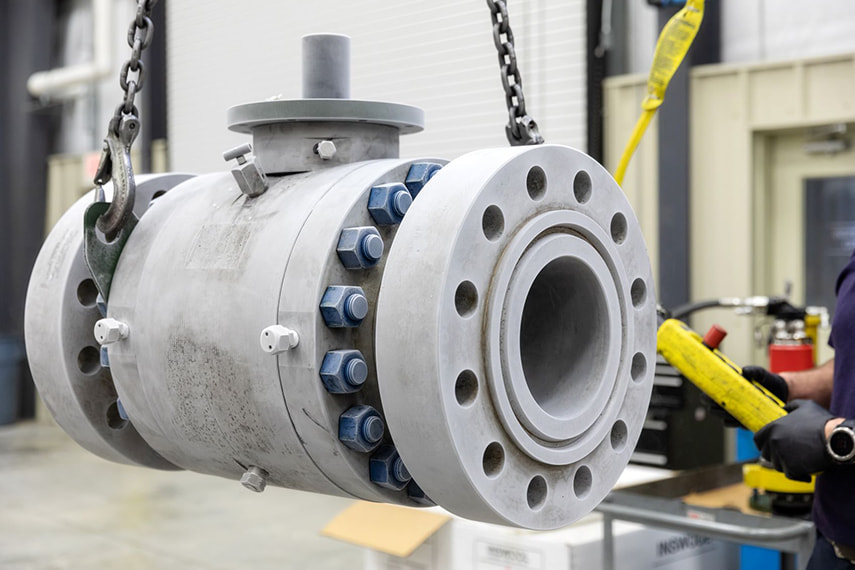
- Trunnion Ball Valve: Features a trunnion-mounted ball for larger applications, reducing the risk of excessive wear and tear.
Common Applications
- Oil & Gas: Ball valves are commonly used in oil and gas industries for controlling the flow of fluids and gases.
- Water Treatment: Essential in water filtration and treatment plants, ball valves are used to regulate the water flow.
- HVAC Systems: Ball valves help control the flow of air, water, or refrigerants in heating, ventilation, and air conditioning systems.
- Chemical Processing: These valves are ideal for use in corrosive and hazardous chemical processes due to their leak-proof design and durability.
Benefits of Ball Valves
- Fast & Efficient Operation: Ball valves open and close quickly, reducing downtime and improving operational efficiency.
- Tight Seal: The ball valve provides a reliable, leak-proof seal, which is crucial for preventing spills in high-risk applications.
- Minimal Maintenance: The simple design of ball valves means fewer parts to wear out, resulting in lower maintenance costs over time.
- Versatility: Ball valves are available in a variety of materials and sizes, making them suitable for a wide range of industries and applications.
Conclusion
In conclusion, a ball valve is a crucial component in various industries for controlling the flow of liquids and gases. Its fast operation, leak-proof design, and long-lasting durability make it an ideal choice for oil and gas, water treatment, HVAC, and chemical processing applications. Whether you need a valve for your pipeline or control system, a ball valve is a reliable and cost-effective solution.