Research: How to judge the degree of valve corrosion when dealing with corrosive media? How to choose suitable valve body material?
With advancements in technology, industrial production increasingly encounters various conditions such as high temperature, high pressure, cryogenic, high vacuum, strong corrosion, radioactivity, and flammability. This has raised higher demands for the safety, reliability, and lifespan of valves.
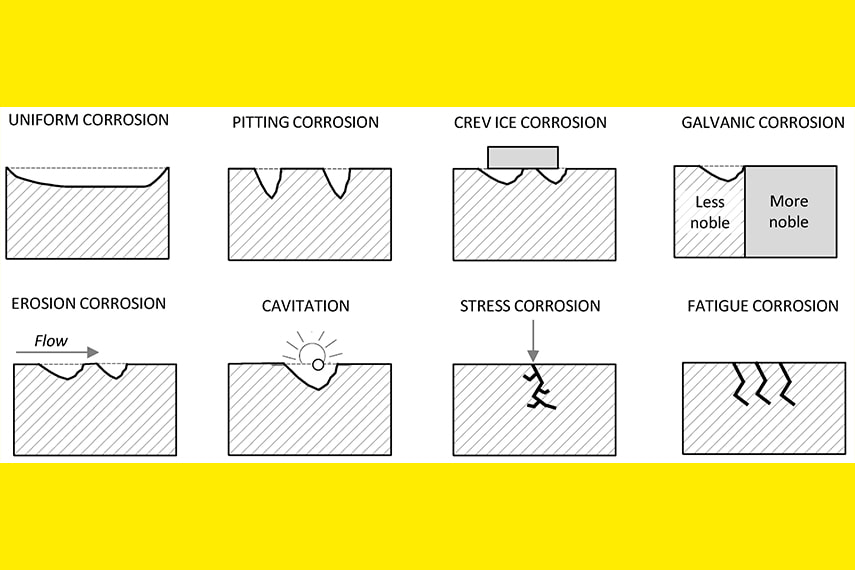
Corrosion occurs as a result of the spontaneous interaction between metals and their surrounding environment. Therefore, the key to preventing corrosion lies in isolating metals from their environment or utilizing more non-metal synthetic materials. Corrosion of valves is typically understood as the damage sustained by metallic materials in chemical or electrochemical environments.
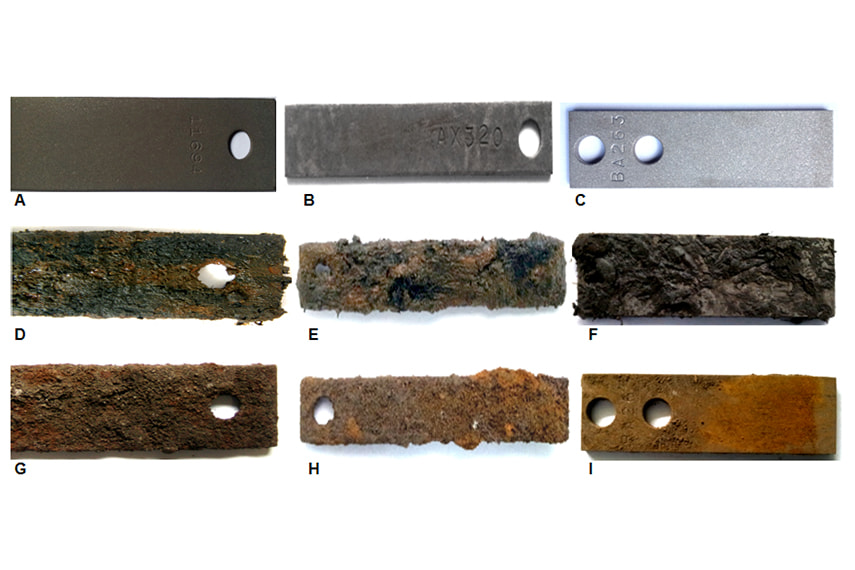
Corrosion of valve bodies generally manifests in two forms: chemical corrosion and electrochemical corrosion. The rate of corrosion depends on the medium's temperature, pressure, chemical properties, and the corrosion resistance of the valve material. Corrosion rates can be classified into six categories:
1. Completely Corrosion-Resistant: Corrosion rate less than 0.001 mm/year.
2. Corrosion-Resistant: Corrosion rate between 0.001 and 0.01 mm/year.
3. Moderately Corrosion-Resistant: Corrosion rate between 0.01 and 0.1 mm/year.
4. Slightly Corrosion-Resistant: Corrosion rate between 0.1 and 1.0 mm/year.
5. Poor Corrosion Resistance: Corrosion rate between 1.0 and 10 mm/year.
6. Non-Corrosion Resistant: Corrosion rate greater than 10 mm/year.
Although there is a wealth of information on corrosion prevention for valve bodies, selecting appropriate materials can still be challenging due to the complexity of corrosion issues. So, what are the protective methods for valve bodies?
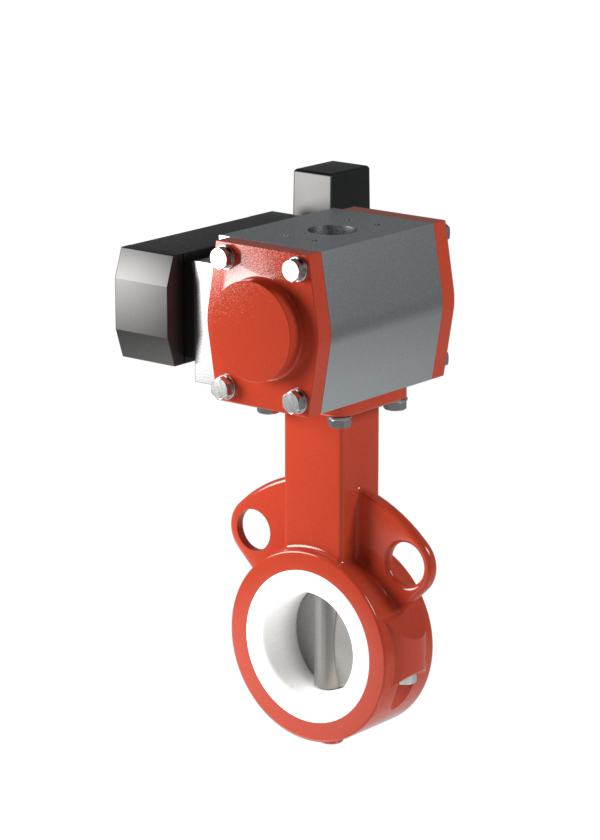
1. Lining Measures: This includes lining with materials such as lead, aluminum, engineering plastics, natural rubber, and various synthetic rubbers. If the medium conditions permit, this can be a cost-effective solution.
2. Using Non-Metal Materials: Under conditions of low pressure and temperature, using non-metal materials for the valve body can be very effective in preventing corrosion.
3. Surface Protection: The outer surfaces of valve bodies are also susceptible to atmospheric corrosion. Generally, iron and steel materials are protected by painting.
Implementing these methods can significantly extend the lifespan of valves and improve their reliability in corrosive environments.