Research: Knife Gate Valve vs Gate Valve
In industrial fluid handling systems, both knife gate valves and gate valves are commonly used for on-off flow control. While they may appear similar at a glance, these two valves are designed for different media, pressures, and application environments.
🔍 What Is a Knife Gate Valve?
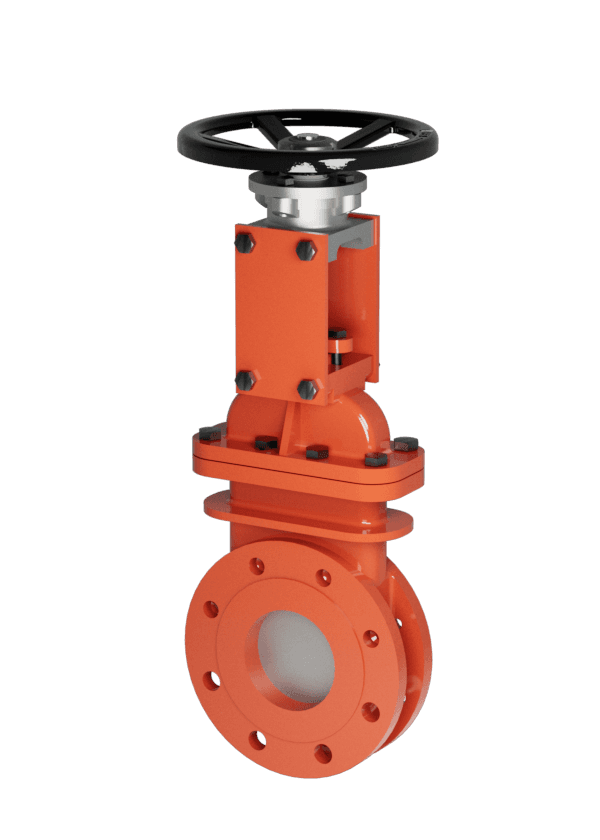
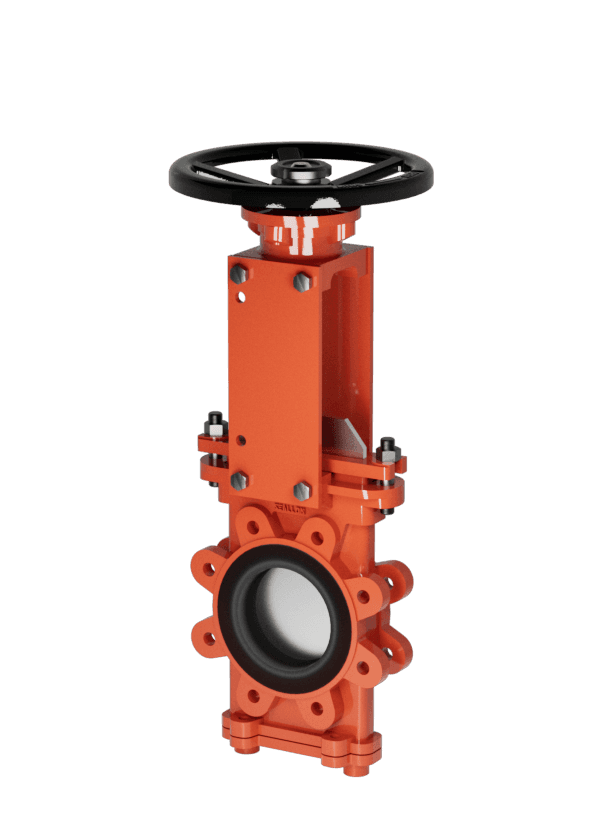
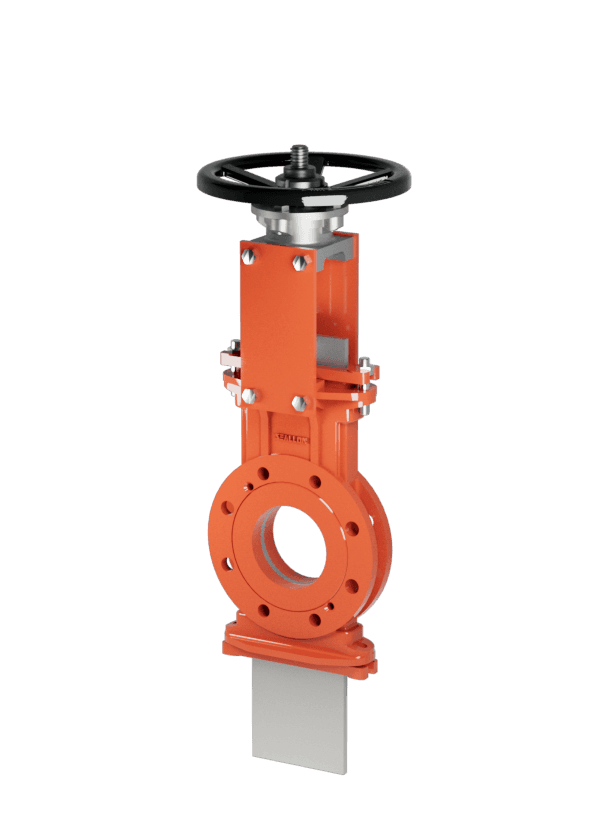
A knife gate valve is designed to cut through thick, viscous, and abrasive media, such as slurry, pulp, wastewater, or bulk solids. It features a sharp-edged blade that slices through solids as it lowers into the flow path.
-
🔧 Media: Slurries, powders, pulp, grit, ash
-
🏭 Applications: Mining, pulp & paper, chemical, wastewater, cement
🔍 What Is a Gate Valve?
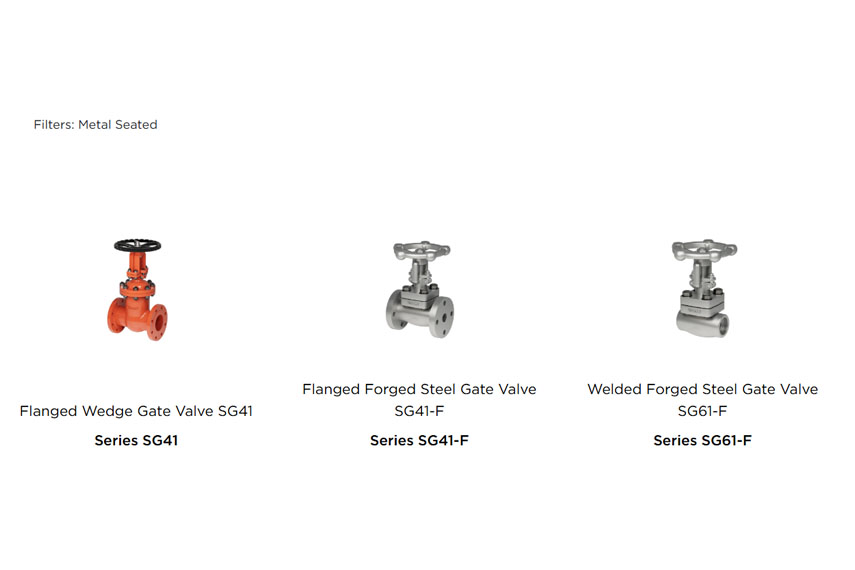
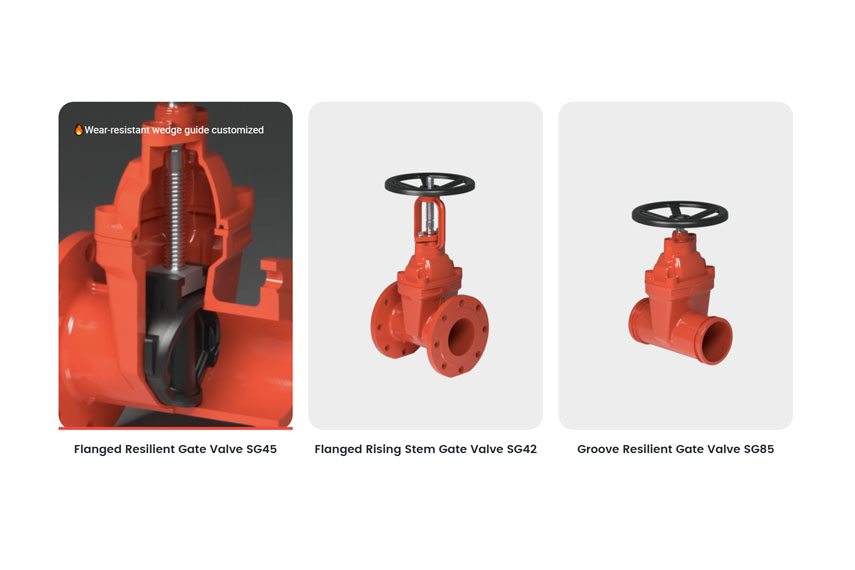
A gate valve is a standard isolation valve that uses a solid wedge or parallel gate to start or stop flow. It’s best suited for clean liquids and gases in high-pressure and general-purpose applications.
-
🔧 Media: Water, oil, gas, steam, clean chemical fluids
-
🏭 Applications: Water distribution, HVAC, fire protection, oil & gas pipelines
🔍 Key Differences: Knife Gate Valve vs Gate Valve
| Feature | Knife Gate Valve | Gate Valve |
|---|---|---|
| Design | Thin blade with sharpened edge | Solid wedge or rising stem gate |
| Media Handling | Slurry, sludge, fiber, abrasive solids | Clean water, oil, gas, steam |
| Pressure Range | Low to medium pressure (PN10–PN16) | Medium to high pressure (Class 150–2500) |
| Flow Direction | Usually unidirectional (some models are bidirectional) | Bidirectional |
| Sealing Performance | Good shutoff in thick, dirty fluids | Tight shutoff in clean fluids |
| Face-to-Face Dimension | Shorter (MSS SP-81 standard) | Longer (API 600, DIN 3202) |
| Operation Method | Manual, pneumatic, electric | Manual, electric, hydraulic |
| Maintenance | Easier to clean; parts exposed to media | More internal components; clean media only |
| Cost | Generally lower, especially in large sizes | Higher, especially in alloy or high-pressure applications |
⚠ The technical specifications and data for knife gate valves and gate valves are referenced from internationally recognized standards (API 600, MSS-SP-81, DIN 3202) and leading valve manufacturers’ published data. In case of discrepancies, please refer to the official standards or the manufacturer’s latest technical documentation.
💡 When to Use Knife Gate Valves
-
✔ Thick or abrasive media (e.g., lime slurry, fly ash, pulp stock)
-
✔ Non-critical sealing applications where some leakage is acceptable
-
✔ Low-pressure systems
-
✔ Cost-sensitive, large-diameter piping systems
💡 When to Use Gate Valves
-
✔ High-pressure water or gas pipelines
-
✔ Clean fluids requiring tight shutoff
-
✔ Where full port and minimal pressure drop is needed
-
✔ Fire-safe or critical isolation applications
🏷️ Seallon Valve Solutions: Built for Tough Decisions
Whether you're handling abrasive slurry or high-pressure water, Seallon offers a full range of:
-
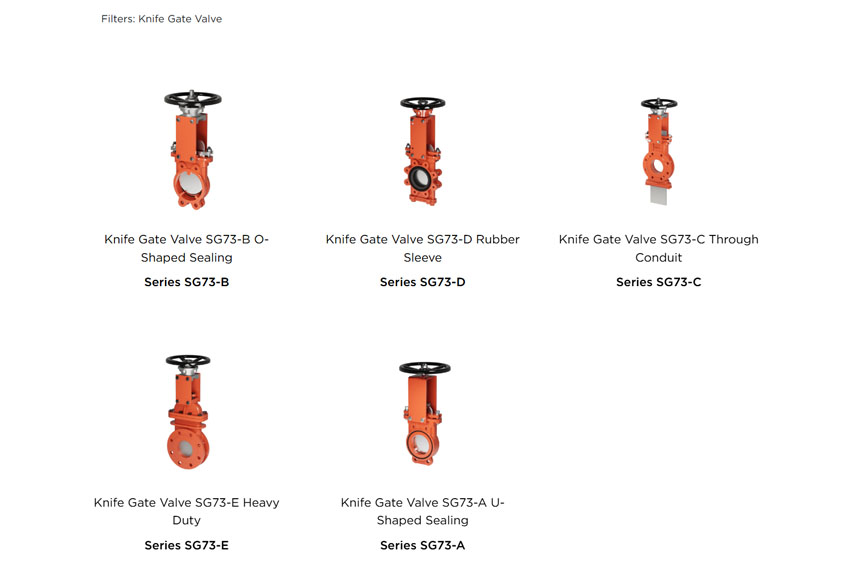
✅ Knife Gate Valves — wafer, lug, or flanged, up to DN1200
-
✅ Gate Valves — API600 or EN558, cast steel or stainless, Class 150–600
-
✅ Automation Options — electric or pneumatic actuator-ready with ISO 5211 mounting
-
✅ Custom Coatings — epoxy, ceramic, PTFE for extended service life
-
✅ Industries Served — mining, chemical, oil & gas, pulp & paper, wastewater