Research: How Does a Butterfly Valve Compare to a Ball Valve?
Choosing the right valve for your piping system often comes down to two popular options: butterfly valves and ball valves. Both are quarter-turn valves, widely used across industries like water treatment, HVAC, chemical processing, and oil & gas. But how do they compare in terms of performance, cost, installation, and flow control?
🔍 What Is the Difference Between a Butterfly Valve and a Ball Valve?
Both valve types are designed for on/off flow control, but their internal mechanism, space requirements, and application suitability vary significantly.
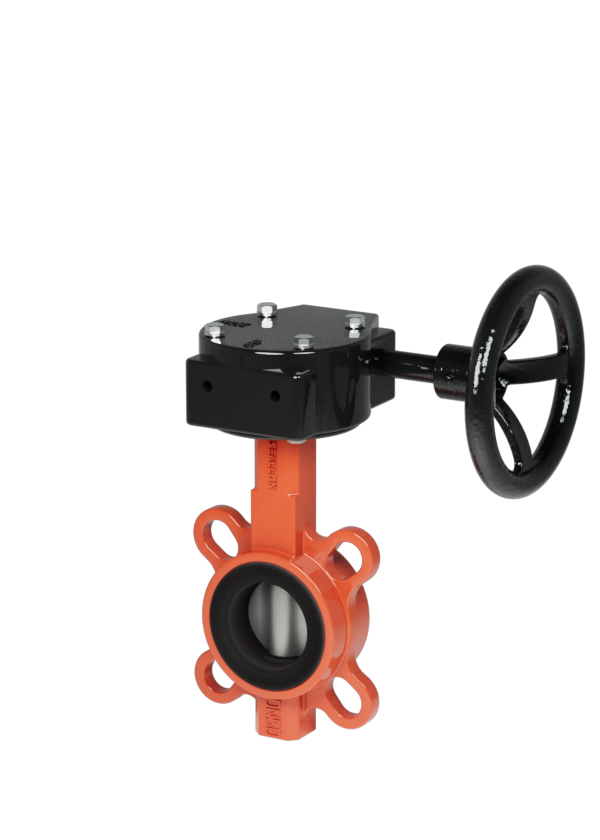
⚙️ Butterfly Valve Overview
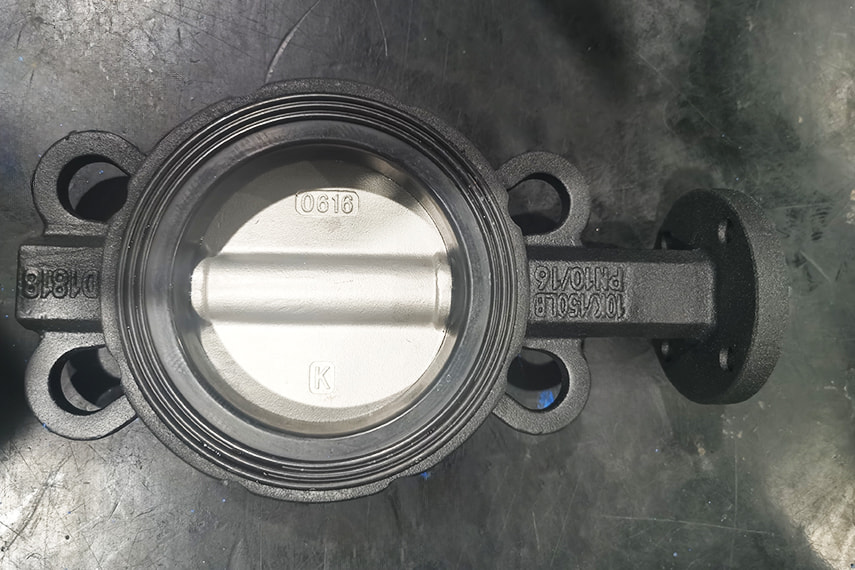
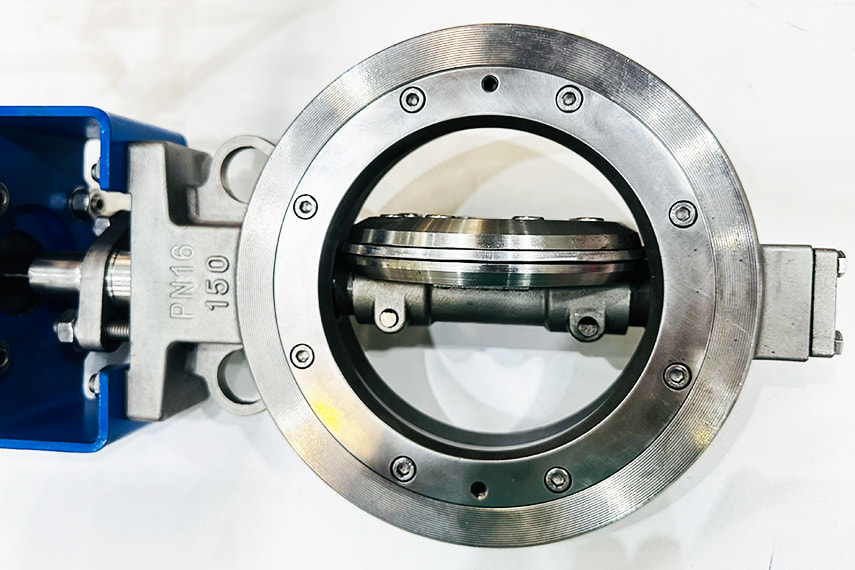
A butterfly valve consists of a rotating disc that turns on a central stem. The disc stays in the flow path, turning 90° to open or close the valve.
Key Characteristics:
Lightweight, compact design
Quick operation
Suitable for large-diameter pipes
Available in wafer, lug, and flanged connections
Often used in throttling and modulating applications
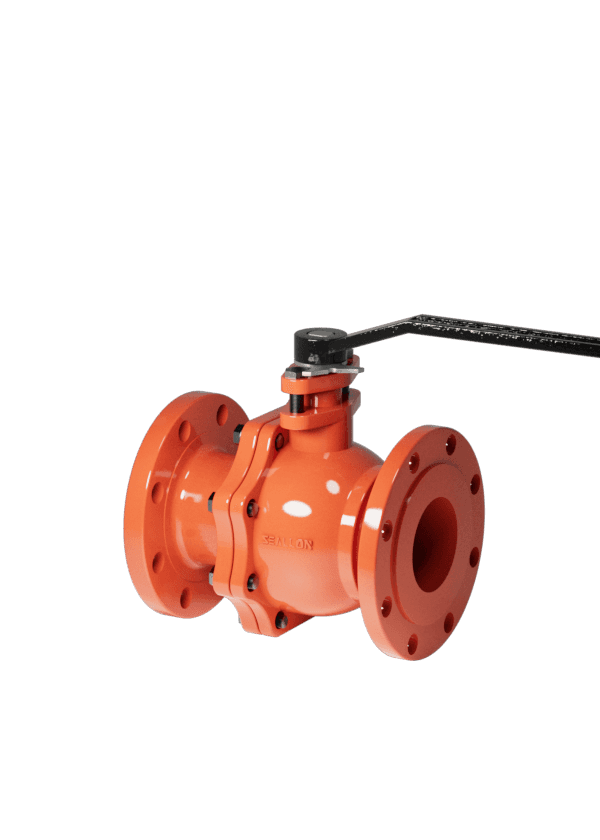
⚙️ Ball Valve Overview
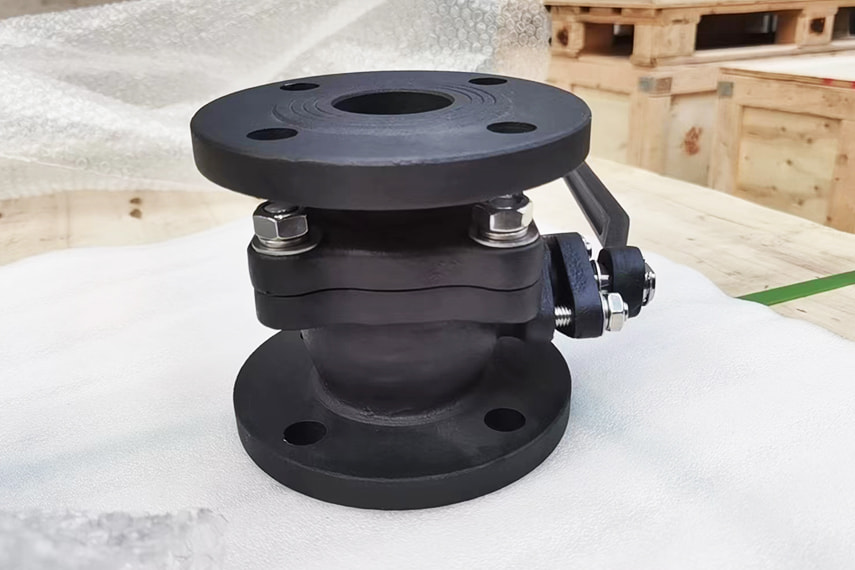
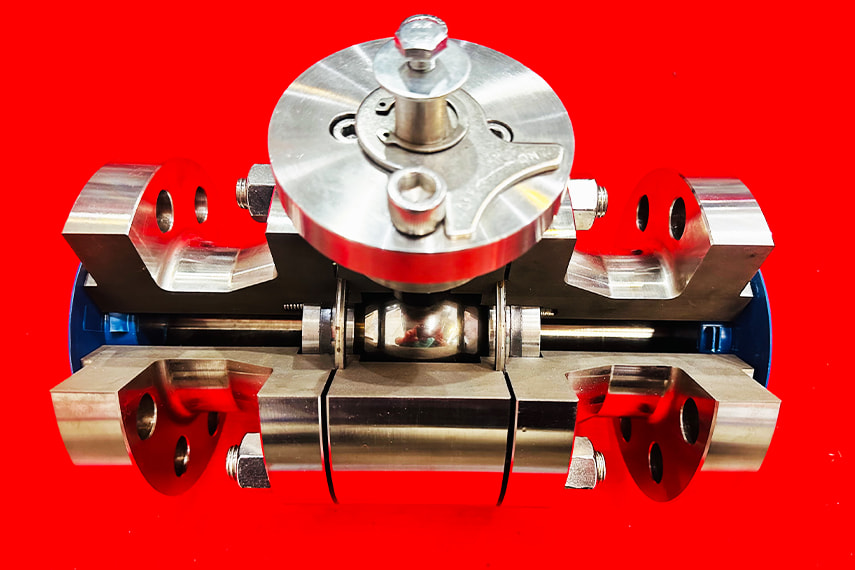
A ball valve uses a perforated sphere (ball) to allow or block flow. When the ball’s hole aligns with the flow path, fluid passes through; when rotated, it blocks flow completely.
Key Characteristics:
Full-bore flow (minimal pressure drop)
Excellent sealing performance
Preferred for tight shutoff
Heavier and bulkier than butterfly valves
Not ideal for throttling
Feature Butterfly Valve Ball Valve Design Rotating disc in flow path Spherical ball with flow hole Space Saving Very compact; ideal for tight spaces Larger body, especially in bigger sizes Shutoff Performance Good (depends on seat & offset design) Excellent; tight shutoff Flow Control Suitable for throttling & modulation Poor throttling, mainly on/off Cost Lower initial cost Higher, especially for larger diameters Maintenance Easier, especially in wafer style More components, potential for seal wear Common Applications HVAC, water, slurry, moderate chemicals Oil & gas, chemical injection, high purity Available Sizes Up to DN2000+ Typically < DN600
🧪 Throttling and Flow Control Comparison
Butterfly valves (especially double or triple offset) are ideal for modulating service and offer relatively stable flow control in mid-open positions.
Ball valves are not designed for throttling — partial opening can lead to seat damage, vibration, and cavitation.
💰 Cost and Installation Efficiency
Butterfly valves are typically lighter and cheaper, especially in large diameters (DN300 and above).
Their compact profile simplifies installation in tight spaces like HVAC ducts or pump rooms.
Ball valves become expensive and bulky as size increases.
🌟 Seallon Valve Solutions
If you’re deciding between a butterfly valve and a ball valve, consider the Seallon SB Butterfly Valve Series or SK Ball Valve Series:
Excellent shutoff (zero leakage)
Stable flow control
High Cv with low pressure drop
Compatibility with electric or pneumatic actuators
Sizes from DN50 to DN1200, rated up to PN40 / Class 300
✅ Ideal for:
Water systems | Cooling loops | Power plants | Chemical lines | HVAC zones