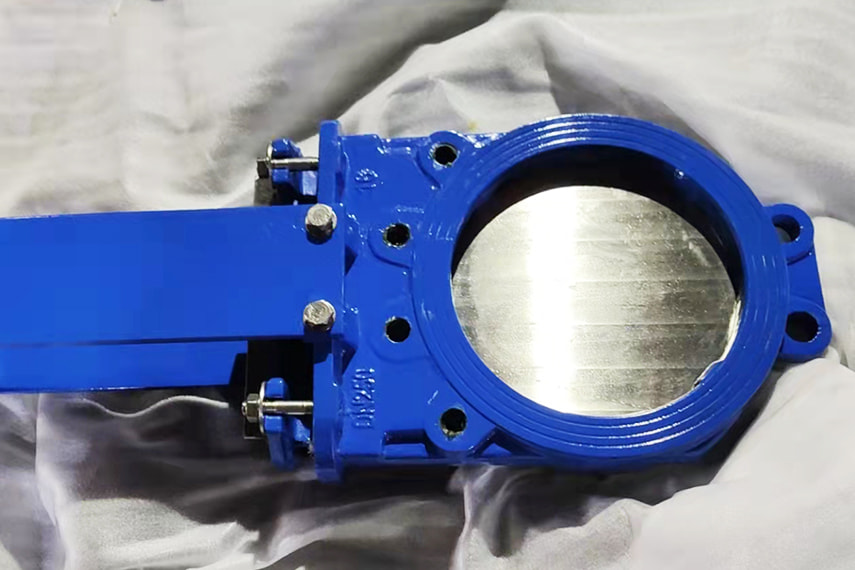
Research: What Are the Different Surface Hardening Treatments for Valves?
Valves play a critical role in fluid control systems, and ensuring their longevity and performance is essential in many industrial applications. One of the most effective ways to improve the durability and wear resistance of valve components is through surface hardening treatments. These treatments enhance the surface properties of valves, making them more resistant to corrosion, abrasion, and high temperatures. In this article, we’ll discuss the different types of surface hardening treatments used for valves and their benefits.
1. Carburizing
Carburizing is a heat treatment process that involves adding carbon to the surface of the valve material to increase its hardness. The process is typically performed at high temperatures, where the valve is exposed to a carbon-rich environment. This treatment creates a hard, wear-resistant surface while maintaining a tough, ductile core.
Key Benefits:
Improves surface hardness
Enhances wear and abrasion resistance
Ideal for valves that operate in harsh conditions
Common Applications: Automotive valves, heavy machinery, and high-wear applications.
2. Nitriding
Nitriding is a surface hardening treatment that introduces nitrogen into the surface of the valve material. This process occurs at a lower temperature compared to carburizing and results in the formation of a hard nitrided layer on the valve surface. Nitriding offers excellent corrosion resistance and can significantly increase the lifespan of the valve in aggressive environments.
Key Benefits:
Enhanced corrosion and wear resistance
Improved fatigue strength
Longer service life
Common Applications: Valves in chemical processing, gas distribution, and industrial machinery.
3. Induction Hardening
Induction hardening is a process that uses high-frequency electromagnetic fields to heat the valve's surface. Once heated, the valve is rapidly cooled, resulting in a hardened surface layer. This method is highly efficient and allows precise control over the depth and hardness of the treated area.
Key Benefits:
High surface hardness with minimal distortion
Ideal for localized hardening
Fast processing time
Common Applications: Valves in power plants, hydraulic systems, and oil and gas pipelines.
4. Flame Hardening
Flame hardening uses an oxy-acetylene torch to heat the surface of the valve to a high temperature, followed by rapid cooling using water or oil. The intense heat generated by the flame hardens the surface while leaving the inner core of the valve unaffected. This process is particularly useful for treating large valve components.
Key Benefits:
Cost-effective
Provides localized hardness
Suitable for large valve parts
Common Applications: Valve bodies, large industrial valves, and pipeline valves.
5. Laser Hardening
Laser hardening uses a focused laser beam to heat the surface of the valve material. This highly localized heating process leads to rapid cooling, resulting in a hardened surface layer. Laser hardening allows for precise control over the depth and hardness of the treatment.
Key Benefits:
Precision hardening with minimal thermal distortion
Ideal for small or complex parts
High surface hardness
Common Applications: Aerospace, automotive, and precision valve applications.
6. Chromium Plating
Chromium plating involves applying a thin layer of chromium to the surface of the valve. This treatment improves surface hardness, enhances corrosion resistance, and provides a smooth finish that reduces friction. Chromium-plated valves are commonly used in aggressive environments where corrosion is a concern.
Key Benefits:
Excellent corrosion resistance
Improved surface finish
Increased wear resistance
Common Applications: Valves in water treatment, chemical processing, and marine applications.
7. Electroless Nickel Plating
Electroless nickel plating is a chemical process in which a uniform nickel coating is applied to the surface of the valve. This coating improves hardness, corrosion resistance, and wear resistance, making it suitable for valves exposed to harsh environments and abrasive fluids.
Key Benefits:
Uniform coating thickness
Enhanced corrosion and wear resistance
No need for electrical current
Common Applications: Valves in food processing, oil and gas, and water treatment industries.
Conclusion
Surface hardening treatments are essential for improving the performance and lifespan of valves. By selecting the right treatment, such as carburizing, nitriding, or induction hardening, you can ensure that your valves are durable, wear-resistant, and capable of withstanding harsh operating conditions. These treatments are used across a variety of industries, including oil and gas, chemical processing, power generation, and more.