Research: Why Are Some Globe Valves High Inlet, Low Outlet?
Globe valves are widely used in industrial applications for controlling the flow of liquids, gases, and steam in pipelines. One of the variations of globe valves is the high inlet, low outlet configuration, which is a critical design choice for certain applications. In this article, we’ll explain why some globe valves are designed with a high inlet and low outlet and how this design benefits various systems.
*What is a High Inlet, Low Outlet Globe Valve?
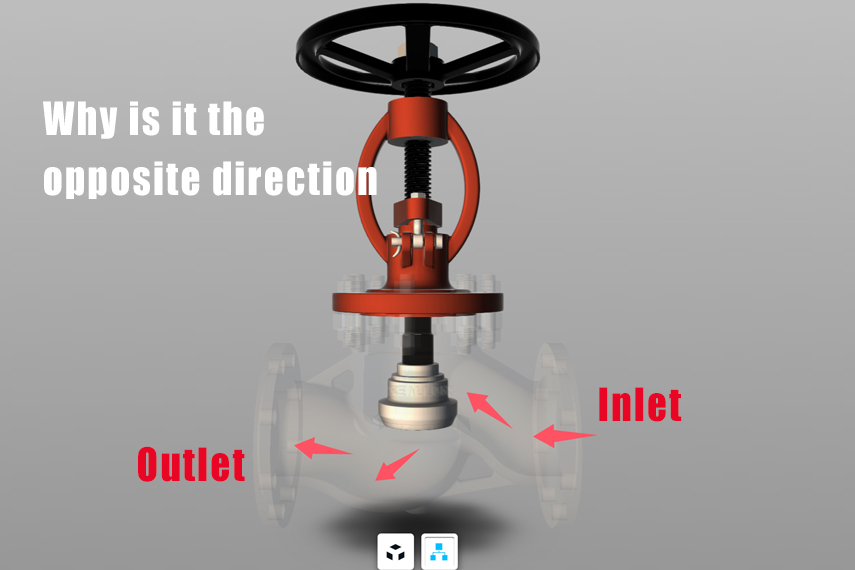
A high inlet, low outlet globe valve is a specific type of valve where the fluid enters from the top (high inlet) and exits from the bottom (low outlet). This configuration is different from the traditional low inlet, high outlet valve design commonly seen in many piping systems. The orientation of the inlet and outlet ports plays an important role in how the valve operates and affects the overall performance of the system.*Why Choose a High Inlet, Low Outlet Globe Valve?
There are several reasons why engineers choose a high inlet, low outlet globe valve configuration for certain applications:
1. Improved Flow Control
The high inlet, low outlet configuration helps provide smoother flow characteristics and better control over the fluid. This setup ensures that the fluid enters the valve in a more controlled manner, which allows for more precise regulation of the flow. When the fluid enters from the top, it travels downward through the valve’s seat, which helps prevent cavitation and minimizes flow turbulence.
2. Prevention of Cavitation
Cavitation occurs when the pressure inside the valve drops below the vapor pressure of the fluid, causing the formation of vapor bubbles. These bubbles can collapse violently, damaging the valve and surrounding equipment. The high inlet, low outlet configuration can help minimize the chances of cavitation by maintaining a higher pressure at the inlet, thus ensuring smoother fluid flow and reducing the risk of damage.
3. Better Sealing and Longer Valve Life
In high inlet, low outlet globe valves, the flow direction helps improve the seating action and provides better sealing. Since the fluid enters the valve body before it reaches the seat, the pressure on the valve seat is more evenly distributed, reducing wear and tear. This contributes to a longer valve life and more reliable performance over time.
4. Optimized for Specific Applications
Some processes or systems may require the fluid to flow in a certain direction to optimize performance. The high inlet, low outlet configuration can be particularly beneficial in steam systems, high-pressure applications, or chemical processing plants where precise flow control and pressure management are essential.
5. Reduced Risk of Flow-Induced Vibrations
High inlet, low outlet globe valves can also help minimize the vibrations that are often associated with turbulent flow. The configuration allows the fluid to enter the valve with less force and in a more controlled manner, which reduces the likelihood of vibrations that can affect the integrity of the piping system.
*Applications of High Inlet, Low Outlet Globe Valves
1. Steam Systems: In steam applications, the high inlet, low outlet valve configuration is preferred because it helps manage pressure and temperature more effectively, reducing the risk of cavitation and extending the life of the valve.
2. Chemical Processing: In chemical plants, the control of liquid and gas flow is essential. High inlet, low outlet globe valves help maintain the accuracy of flow rates while reducing the risk of leaks and other safety issues.
3. High-Pressure Systems: These valves are ideal for high-pressure applications, as the configuration helps regulate pressure more effectively and prevents damage due to sudden pressure drops.
4. Water Treatment: In water treatment systems, the high inlet, low outlet design is used to maintain stable flow and reduce the potential for damage from cavitation.