Research: What is Non-Destructive Testing (NDT) of Valves?
*Non-Destructive Testing (NDT) of valves refers to a range of inspection techniques used to evaluate the integrity and quality of valve components without causing any damage. NDT plays a crucial role in ensuring that valves operate safely and efficiently, particularly in industries where reliability is critical, such as oil and gas, chemical processing, and power generation.*Why is Non-Destructive Testing Important for Valves?
Valves are essential for controlling the flow of fluids and gases in industrial systems. If a valve fails due to hidden defects or material weaknesses, it can lead to costly downtime, safety hazards, and potential system failures. Non-Destructive Testing allows engineers and maintenance teams to detect internal flaws, cracks, or corrosion that may not be visible to the naked eye, ensuring that the valves meet required safety and performance standards.*Common Methods of Non-Destructive Testing for Valves
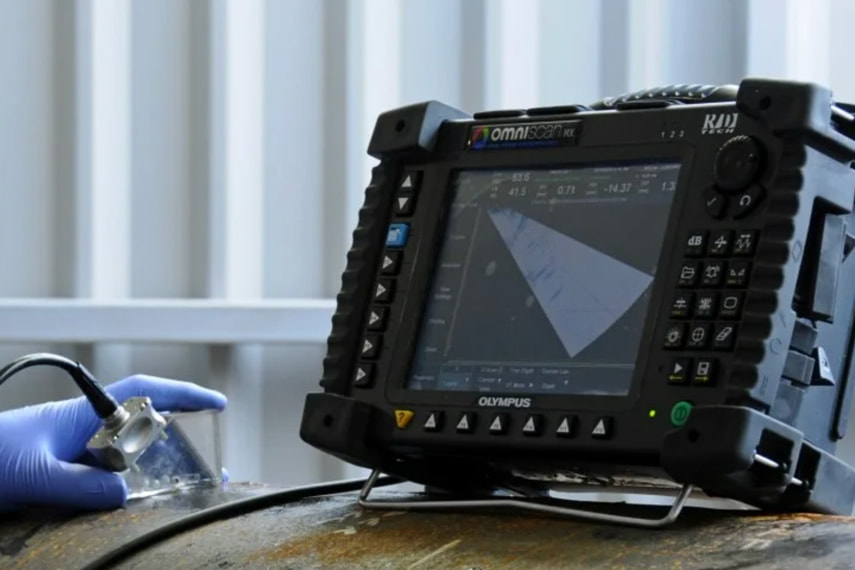
1. Ultrasonic Testing (UT)
Ultrasonic Testing is one of the most widely used NDT methods. It involves sending high-frequency sound waves through the valve material. The waves bounce back from internal flaws, allowing inspectors to identify cracks, voids, or other structural weaknesses. This method is particularly useful for detecting corrosion and weld defects in metal valves.
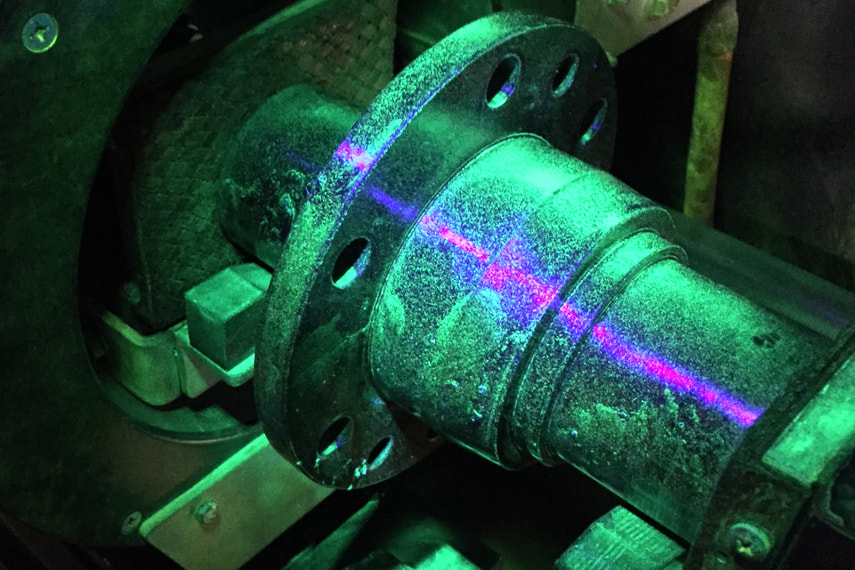
2. Magnetic Particle Inspection (MPI)
Magnetic Particle Inspection is used for ferromagnetic valves. In this method, the valve is magnetized, and iron particles are applied to the surface. Any surface cracks or defects will attract the particles, making them visible. MPI is highly effective for detecting surface and near-surface flaws, such as cracks, pits, and corrosion.
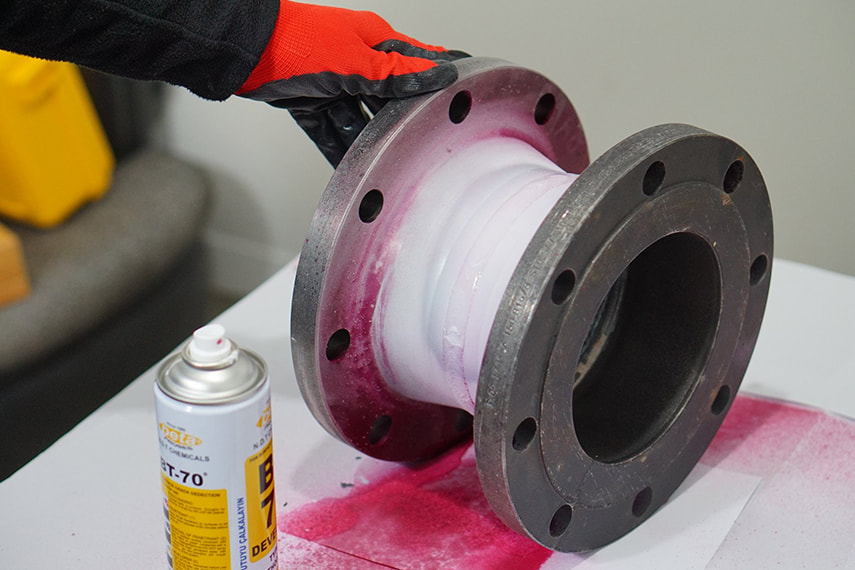
3. Dye Penetrant Testing (DPT)
Dye Penetrant Testing involves applying a liquid dye to the valve’s surface, which is then allowed to seep into any cracks or surface defects. After cleaning, a developer is applied, making the flaws visible under ultraviolet light. This method is ideal for detecting small surface cracks that could compromise valve performance.
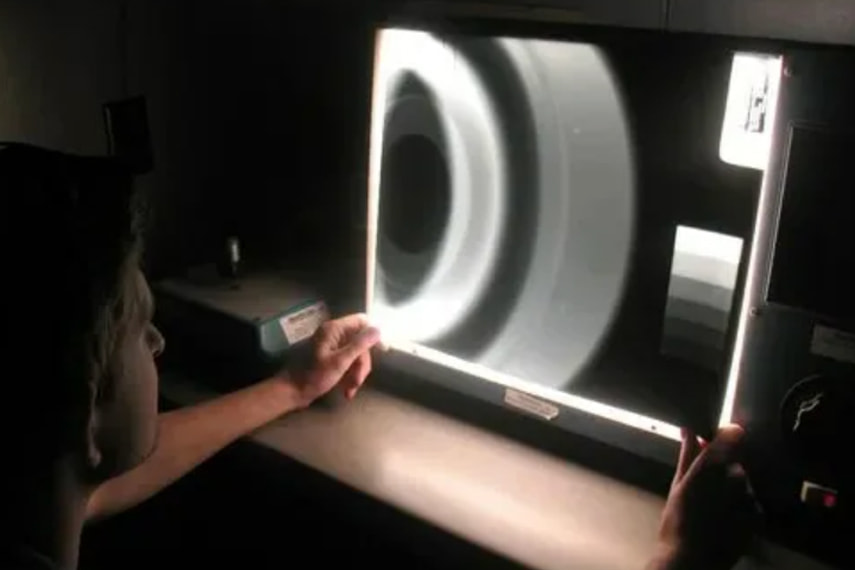
4. Radiographic Testing (RT)
Radiographic Testing uses X-rays or gamma rays to inspect the internal structure of the valve. The valve is exposed to radiation, and the resulting images are analyzed to identify any internal defects, such as voids, cracks, or inclusions. RT is particularly useful for detecting flaws in thicker valve components that cannot be easily accessed with other NDT methods.
5. Visual Inspection (VT)
Visual inspection is the most basic form of NDT, but it remains one of the most effective. It involves a detailed visual examination of the valve’s exterior for signs of damage, wear, corrosion, or other issues. This method is often used as a preliminary step before more advanced NDT techniques are applied.*Benefits of Non-Destructive Testing for Valves
Prevention of Failures: By identifying hidden defects or weaknesses early, NDT helps prevent valve failures, which could lead to costly repairs, downtime, or even safety incidents.
Cost-Effective: NDT methods allow for the inspection of valves without dismantling or replacing them, which can be expensive and time-consuming.
Enhanced Safety: Detecting issues such as cracks or corrosion before they lead to failure improves the overall safety of the system, reducing the risk of leaks or explosions.
Compliance with Standards: Many industries, including oil and gas, nuclear, and aerospace, have strict regulations regarding the testing and maintenance of valves. NDT ensures that valves meet these standards.
Extended Valve Life: By identifying defects early, NDT allows for timely repairs, ultimately extending the service life of the valve and reducing the need for frequent replacements.*Applications of Non-Destructive Testing in Valves
1. Oil and Gas: Ensuring the integrity of valves used in pipelines and refineries, where valve failure can lead to catastrophic accidents.
2. Power Generation: Valves in power plants must be regularly inspected using NDT to ensure safe and efficient operations.
3. Chemical and Petrochemical Industries: NDT helps detect any issues in valves that handle hazardous materials, ensuring worker safety and compliance with environmental standards.
4. Water Treatment: Regular inspection of valves used in water distribution and treatment facilities ensures clean and safe water supply without interruptions.