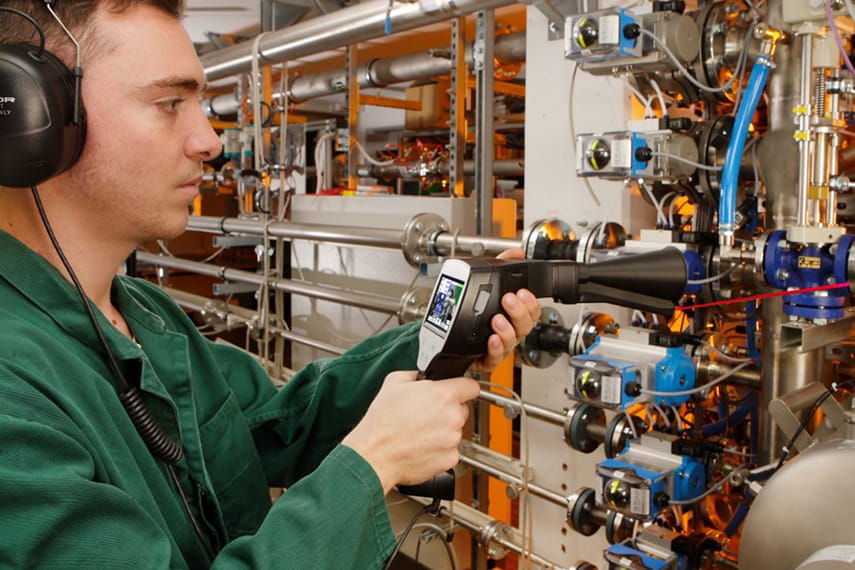
Research: Internal and External Leakage in Valves
Causes of Internal Leakage
Internal leakage in a valve refers to fluid escaping through gaps between the valve seat and the valve plug or sealing surfaces when the valve is in the closed position. This situation can prevent effective isolation of the fluid and impact the normal operation of the system. Internal leakage typically indicates issues with the valve’s sealing performance, which may be caused by:
1.Wear on Sealing Surfaces: Prolonged use or improper operation can wear down the sealing surfaces of the valve seat or plug, leading to leakage.
2.Aging of Sealing Materials: Sealing materials inside the valve (such as rubber gaskets or packing) may deteriorate over time, losing their sealing effectiveness.
3.Improper Installation: Incorrect installation of the valve can also result in inadequate sealing.
4.Structural Issues: Design or manufacturing defects in the valve may contribute to poor sealing.
Internal leakage can affect system performance, increase energy consumption, and potentially lead to system failure. Therefore, regular inspection and maintenance are essential to ensure proper sealing performance.
Causes of External Leakage
External leakage in a valve refers to the leakage of media (such as liquids or gases) from the sealing parts or interfaces of the valve during operation. External leaks typically occur at the following points:
1.Seal Between Valve Body and Valve Cover: Aging or damage to gaskets, O-rings, or sealant can cause leakage at these connection points.
2.Seal Between Valve Stem and Body: Issues with the stem sealing mechanism (such as packing) can lead to leakage around the stem.
3.Valve Connections: Poor sealing at connection points, such as flange connections with the pipeline, can also result in external leakage.
External leakage can lead to media wastage, safety hazards, and environmental contamination. Therefore, regular inspection and maintenance of valve sealing are crucial. If external leakage is detected, timely repair or replacement of seals is necessary.